
Explore Winter Garden fix and flip loans with a focus on older-property rehabs and infill projects. Learn how AFI Private Lenders evaluates and structures investment property financing in Winter Garden and Orange County.
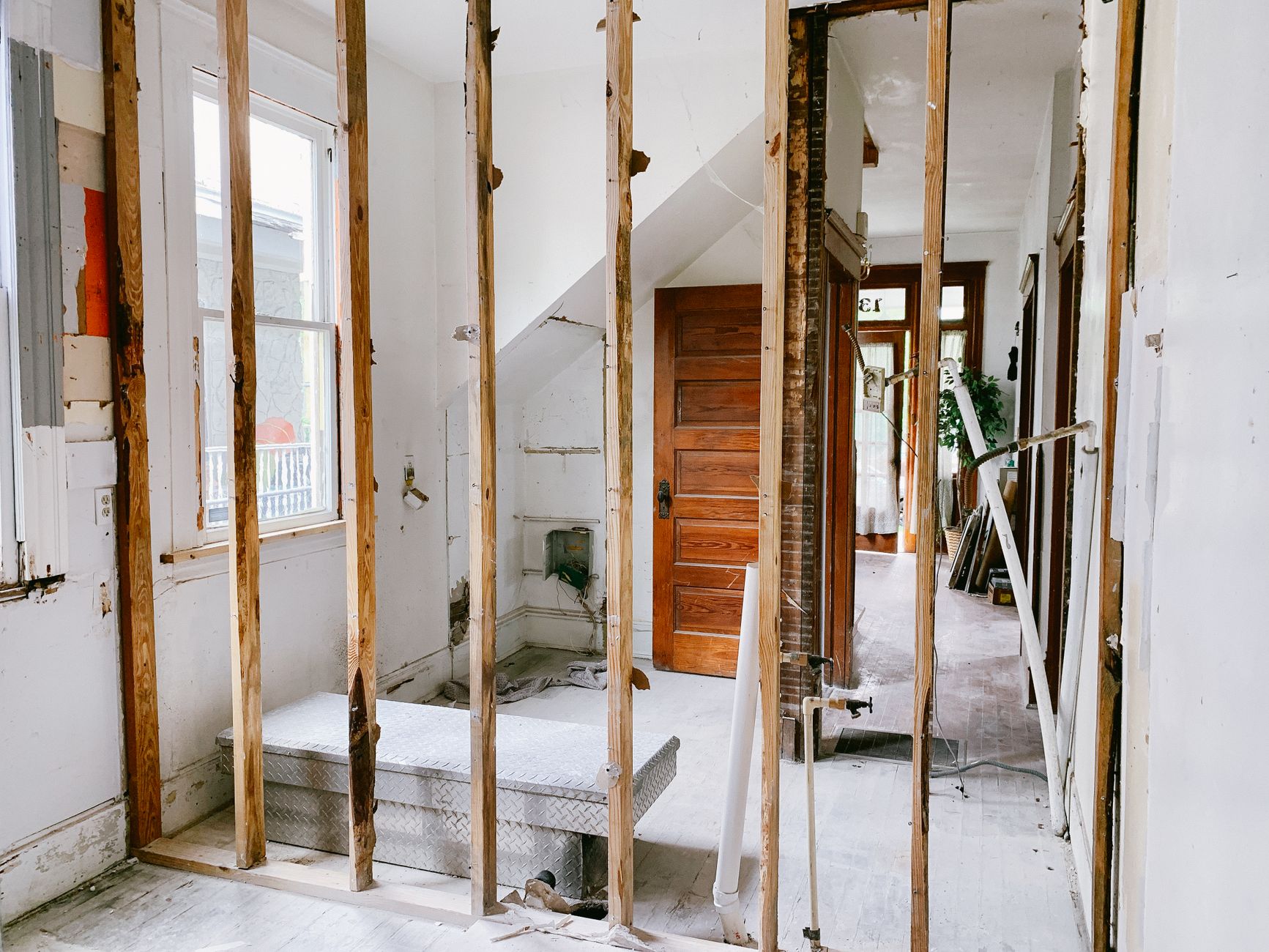
Winter Garden is known for its historic homes and established neighborhoods, presenting unique investment opportunities for seasoned renovators and developers. Whether you're eyeing an aging bungalow near Plant Street or a vacant lot ready for infill, choosing the right financing partner is critical for a successful fix-and-flip project.
This guide looks at how Winter Garden fix and flip loans are evaluated for older-property rehabs and infill construction, with a specific focus on clear project scopes, realistic budgets, and carrying costs. If you're an Orange County investor or builder considering a fix and flip in Winter Garden, Ocoee, Windermere, Clermont, or Oakland, this article explains how qualified projects may be financed by AFI Private Lenders' business-purpose loan programs.
How Fix-and-Flip Financing is Evaluated in Winter Garden
Every successful fix-and-flip in Winter Garden begins with a detailed underwriting process focused on the property itself, the proposed improvements, and the borrower's plan. Unlike traditional residential mortgages, AFI Private Lenders evaluates qualifying fix-and-flip loans primarily on the project's merits—considering leverage, the investor’s experience, the budget, and the overall exit strategy. The more clearly defined your scope, the smoother the process tends to be—especially with older homes or infill lots that need focused project planning.
Purchase Price, Current Condition, and Renovation Scope
The starting point for most Winter Garden fix and flip loans is establishing the property’s as-is value and purchase price, then reviewing its current condition in detail. Older properties, especially those near Downtown, may have hidden challenges ranging from outdated electrical systems to structural repairs. A clear, itemized renovation scope not only informs the financing request but also reassures underwriters that you've accounted for the project's realities. For infill lots or tear-downs in areas like Oakland or west Winter Garden, you’ll need precise development plans, basic site readiness details, and permit pathways outlined before funding can be considered. Successful applicants document their planned transformation up front, helping AFI estimate both achievable values and realistic risks.
Why the Property and Project Can Matter More than Traditional Credit Scoring
Unlike many banks, AFI Private Lenders does not rely heavily on traditional credit scoring for qualifying fix-and-flip loans. Instead, the property, your proposed rehab, and project plan take center stage. This approach is well-suited for investors working with older or unconventional properties in Winter Garden. A well-documented property story—such as a dated home rescued for modern resale or a vacant lot turned into a build-to-rent duplex—often makes a bigger impact than a credit score. However, responsible borrowing history and business documentation remain important underwriting factors.
Rehab Budget, Contractor Planning, and Construction Draws
Your submitted rehab budget should be practical, line-itemed, and tailored to the scope of work. For older Winter Garden homes, include allowances for discoveries common in properties built before the 1980s such as electrical, plumbing, or code issues. AFI aims to keep construction draw requests straightforward and practical for qualifying projects, subject to loan documents, inspections, and ongoing underwriting. Engaging experienced local contractors and outlining a feasible draw schedule upfront will help minimize project disruptions and keep renovations moving. For larger infill or ground-up projects in Winter Garden or Clermont, permitting, inspections, and city requirements can add time and complexity—so budget and draw requests should reflect these realities.
Borrower Liquidity, Contingency, and Carrying Costs
Fix-and-flip financing in Winter Garden, especially on older homes, often requires extra reserves to handle unknowns. AFI’s underwriting will review your personal and business liquidity, contingency plans, and how you’ll manage carrying costs such as taxes, insurance, and utilities during the rehab process. Older-property rehabs may sit unoccupied longer if issues emerge, making accurate holding cost estimates critical. For infill construction, longer build times and pre-leasing periods require even greater financial runway. A well-crafted financing request clearly presents your plan for handling the costs you’ll incur before, during, and after the renovation.
Exit Strategy: Resale, Refinance, or Rental Conversion
AFI Private Lenders evaluates your exit strategy as a core part of any Winter Garden investment property loan request. Are you planning to quickly resell in a high-demand neighborhood, refinance into a longer-term hold, or pivot to a rental after the rehab? Your choice affects the project timeline, required liquidity, and how the loan is structured. For example, a flip near Downtown Winter Garden may have a different risk profile than a new-build duplex meant for long-term rental in Clermont. Laying out realistic comparables, marketing plans, and rental or resale strategies upfront demonstrates preparedness and can help strengthen your application.
What to Send AFI for Initial Review: A Document Checklist
To streamline your Winter Garden fix and flip loan request, be ready with:
- A project summary including property address, type, and intended use
- Purchase contract or evidence of site control
- Scope of work with line-item budget, bids, and rehab plans
- Estimated timeline and draw schedule
- Photos (or site plans and elevations for infill/new builds)
- Your experience summary and resume
- Proof of funds for down payment, reserves, and contingencies
- Exit strategy write-up (e.g., list price estimates, rental comps)
Solid documentation helps AFI give meaningful, timely feedback—especially for older-property rehabs and infill proposals, where due diligence is particularly important.
When Another Financing Option May Be a Better Fit
Fix-and-flip loans aren’t the best solution for every investment strategy in Winter Garden or Orange County. If your project requires heavy permitting, is subject to major zoning questions, or has an extended hold timeline without a clear exit, a different loan structure—or a partnership arrangement—may work better. Similarly, properties with significant title, flood, or insurance concerns often require more pre-closing research and, in some cases, alternative financing. Seasoned landlords looking for long-term holds or those with unique construction needs may benefit from ground-up or rental-focused programs rather than a typical fix-and-flip loan. Before proceeding, consult licensed professionals and verify property specifics with the city of Winter Garden or relevant jurisdiction.
Winter Garden Mini-Case: Hypothetical Numbers in Action
Example: An investor purchases a 1950s bungalow near Historic Downtown for $250,000. Renovation budget: $90,000 (addressing electrical, kitchen, and cosmetic issues). Projected resale value: $450,000. The investor applies for a fix and flip loan with AFI Private Lenders. Leveraged financing (up to a qualifying percentage of acquisition and rehab costs) covers most expenses. With a clear renovation plan, itemized budget, and strong exit comps, the investor demonstrates capacity and preparation. Remaining costs, contingency, and carrying costs are covered by personal reserves. This is a hypothetical case for illustration; actual loan approvals depend on property, borrower, and underwriting outcomes.
Real Estate Investor Financing FAQs
How do Winter Garden fix and flip loans differ from conventional bank loans?
Fix and flip loans are business-purpose loans evaluated on property, project, experience, budget, and exit strategy, not just credit or income history.
Can I use Winter Garden fix and flip loans for a new build on a vacant lot?
Yes, if your project involves infill construction, AFI Private Lenders considers clear development plans, budgets, and site readiness as part of the application.
What documents should I prepare before requesting a fix and flip loan?
You'll need a purchase contract or proof of control, detailed rehab budget and scope, photos or plans, your experience, liquidity proof, and a defined exit strategy.
Does AFI require excellent credit for Winter Garden investment property loans?
AFI does not rely heavily on traditional credit scoring for qualifying fix-and-flip loans; the project, property, and plan are primary underwriting factors.
What if my Winter Garden property needs major repairs or has code issues?
Clearly document the repair scope and budget. Older properties with extra risk can qualify if you present a realistic plan and allow for contingencies.
Which areas near Winter Garden are eligible for AFI fix and flip loans?
AFI lends throughout Florida, including Ocoee, Windermere, Clermont, Oakland and other Orange County and Central Florida communities.
How are construction draw requests handled for Winter Garden projects?
AFI aims for straightforward and practical construction draw requests, subject to the loan documents, inspections, and project underwriting.
Have a Winter Garden investment property to finance?
Send the property address, requested loan amount, property type and investment plan for an initial review.