
Explore how Winter Garden hard money and bridge loans can help real estate investors tackle older-property rehabs and infill construction projects.
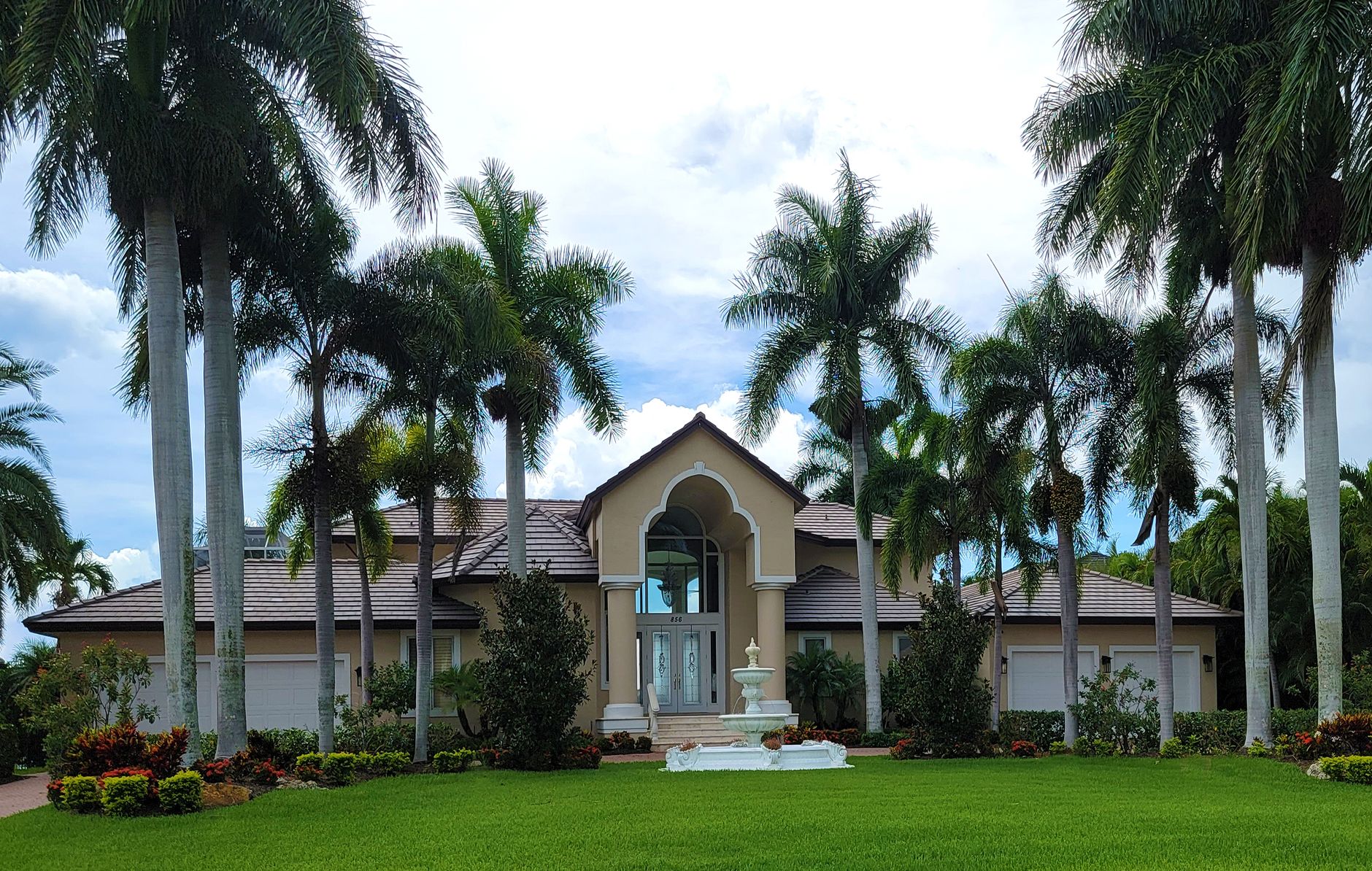
Winter Garden’s historic neighborhoods and active redevelopment corridors present unique opportunities—and challenges—for real estate investors, builders, and landlords aiming to acquire, rehab, or construct investment properties. For projects that fall outside typical bank criteria, Winter Garden hard money and bridge loans provide tailored solutions to keep deals moving, especially when older homes and infill lots are involved.
Understanding how these short-term financing tools work can give you a crucial edge. This guide explores key considerations for using private lender capital in Winter Garden, nearby Ocoee and Windermere, and throughout Orange County’s growth zones, focusing on older-property rehabs and infill construction scenarios.
When Investors Use Short-Term Bridge Financing
Winter Garden investors often turn to hard money or bridge loans when a property’s condition, location, or time-sensitive circumstances make conventional bank lending impractical. For example, acquiring a mid-century home near downtown for a full-gut renovation—or buying a small infill lot in Oakland for new construction—may require fast access to capital before title, code, or rehab uncertainties can be fully resolved. Bridge loans work well when timing matters, business-purpose use applies, and a clear exit plan exists, whether by sale, refinance, or rental stabilization.
Acquisition, Refinance, and Transitional-Property Situations
Winter Garden private lenders can serve investors acquiring dilapidated homes or older rental properties for major renovations, developers consolidating parcels for infill homebuilding, or owners seeking to refinance short-term debt. Bridge loans also support transitional property scenarios, such as stabilizing a multifamily asset needing deferred maintenance in Ocoee or repositioning a mixed-use building near Plant Street. Business-purpose bridge funding from AFI Private Lenders is designed for investment properties—not owner-occupied residences—across these diverse local use cases.
Collateral, Leverage, and Property-Condition Considerations
With older or distressed Winter Garden properties, collateral quality and leverage are crucial underwriting factors. Hard money lenders focus on the asset’s current and post-repair value, as well as the transparency of your rehab or construction plan. For example, a property with clear scope, realistic budget, and easily verified title has a stronger case than a home with major unknowns around code compliance. AFI Private Lenders weighs leverage based on both purchase price and projected improvement costs, requiring documentation that supports your business plan and exit strategy.
How Timing Affects a Winter Garden Hard Money and Bridge Loans Request
Tight contract deadlines, distressed seller situations, and active redevelopment in Winter Garden call for clarity upfront. Borrowers need a defined project scope, itemized budget, and realistic timeline matched to the length of the short-term loan. For infill projects in rapidly redeveloping corridors, carrying costs and transition risks are magnified if permitting, title, or site work delays occur. Presenting a compelling, detail-rich funding request aligned with local real estate cycles can significantly improve bridge loan prospects.
Carrying Costs, Maturity Risk, and Interest Expense
Hard money and bridge loans Winter Garden Florida investors use carry higher interest rates and up-front costs than traditional mortgages. Carrying costs—including property taxes, insurance, utilities, and ongoing interest—can erode profit if overruns or delays materialize. Particularly for older structures, unexpected repairs (such as foundation or roof work) can stretch timelines. Evaluate all fixed and variable expenses carefully and build in buffers for the full expected holding period, including a margin for sale or refinance lag at maturity.
Building a Realistic Payoff or Refinance Plan
Private lenders expect a concrete exit strategy—typically a property sale after rehab or a refinance into permanent debt upon stabilization. In Winter Garden, older homes targeted for resale should have comparative sales supporting ARV (after-repair value), and any major zoning or title issues vetted in advance. For rental holds, lenders want evidence of sustainable market rents and probable refinance scenarios. Subject to AFI Private Lenders’ approval criteria, applicants must present their proposed exit with data and contingencies, especially where local construction or lease-up timing can threaten repayment.
What to Submit for an Initial Bridge Review
For a strong first evaluation, investors should be ready with:
- Clear loan purpose (acquisition, rehab, build, or refinance)
- Purchase contract, title records, and acquisition cost breakdown
- Budget and scope of work for planned construction or improvements
- Contractor or architect bids (if applicable)
- Photos or inspection reports documenting current property condition
- Exit strategy narrative with supporting data
- Entity documents (LLC, corporate, etc. if applicable)
- Personal financials and real estate experience summary
When Conventional Financing May Fit Better
Although hard money and bridge loans suit many value-add deals, conventional commercial or portfolio loans often offer lower rates, longer amortization and better economics for stabilized or low-LTV properties. Newly built rentals in Windermere or recently renovated Ocoee properties with long-term tenants might qualify for more traditional bank debt if credit, income, and seasoning requirements are met. Weigh private financing when speed, flexibility, or value-add execution is critical—but revisit conventional options when cash flow and seasoning are proven.
Mini-Case: Hypothetical Numbers for a Local Rehab Project
Suppose an investor contracts to buy a 1950s bungalow near historic downtown Winter Garden for $350,000, planning $120,000 in rehab to modernize. After repairs, comparable home sales support an estimated ARV of $575,000. The investor applies for a short-term bridge loan covering acquisition plus a percentage of improvement costs. Carrying costs (insurance, property taxes, utilities) are budgeted at $1,150/month, and the investor plans a 7-month hold. A well-articulated exit strategy: list for sale after rehab with a 45-day market window. This approach, supported by documentation and competent professionals, matches typical local project risk and private lender expectations.
Real Estate Investor Financing FAQs
What types of Winter Garden properties are eligible for hard money and bridge loans?
Eligible properties typically include investment-focused single-family homes, multifamily buildings, and commercial assets not intended for owner-occupancy, subject to AFI underwriting and property condition.
How do private lenders evaluate older properties in Winter Garden?
Lenders emphasize property collateral, detailed rehab or construction scope, project budget, local real estate experience, and a clear exit plan, especially with older or distressed properties.
What should I include in a bridge loan request for a Winter Garden rehab or infill project?
Include purchase and improvement costs, project timeline, contractor bids, exit strategy, entity documents, and property condition photos or reports to help underwriters evaluate your request.
Are hard money and bridge loans suitable for ground-up construction?
Yes, if the deal is structured for business-purpose use and supported by clear permitting, scope, and exit strategy, but all approval is subject to AFI’s property, leverage, and experience requirements.
How do carrying costs affect my winter garden bridge loan budget?
Carrying costs must be budgeted for the entire loan term—including property taxes, insurance, utilities, and interest—plus extra time for unplanned delays to protect project profitability.
Do I need perfect credit for a Winter Garden hard money loan?
Traditional credit scoring is not heavily relied on for fix-and-flip or value-add deals, but applicants should demonstrate repayment ability, real estate experience, and transparent financials.
When might conventional financing be better than a bridge loan?
Conventional loans are often superior for stabilized, fully leased, or low-leverage projects where borrowers meet credit and cash flow criteria and need longer repayment terms.
Have a Winter Garden investment property to finance?
Send the property address, requested loan amount, property type and investment plan for an initial review.