
Unlock Maitland new construction loans for investment property projects with this targeted guide. Understand the process, requirements, and real-world decision points.
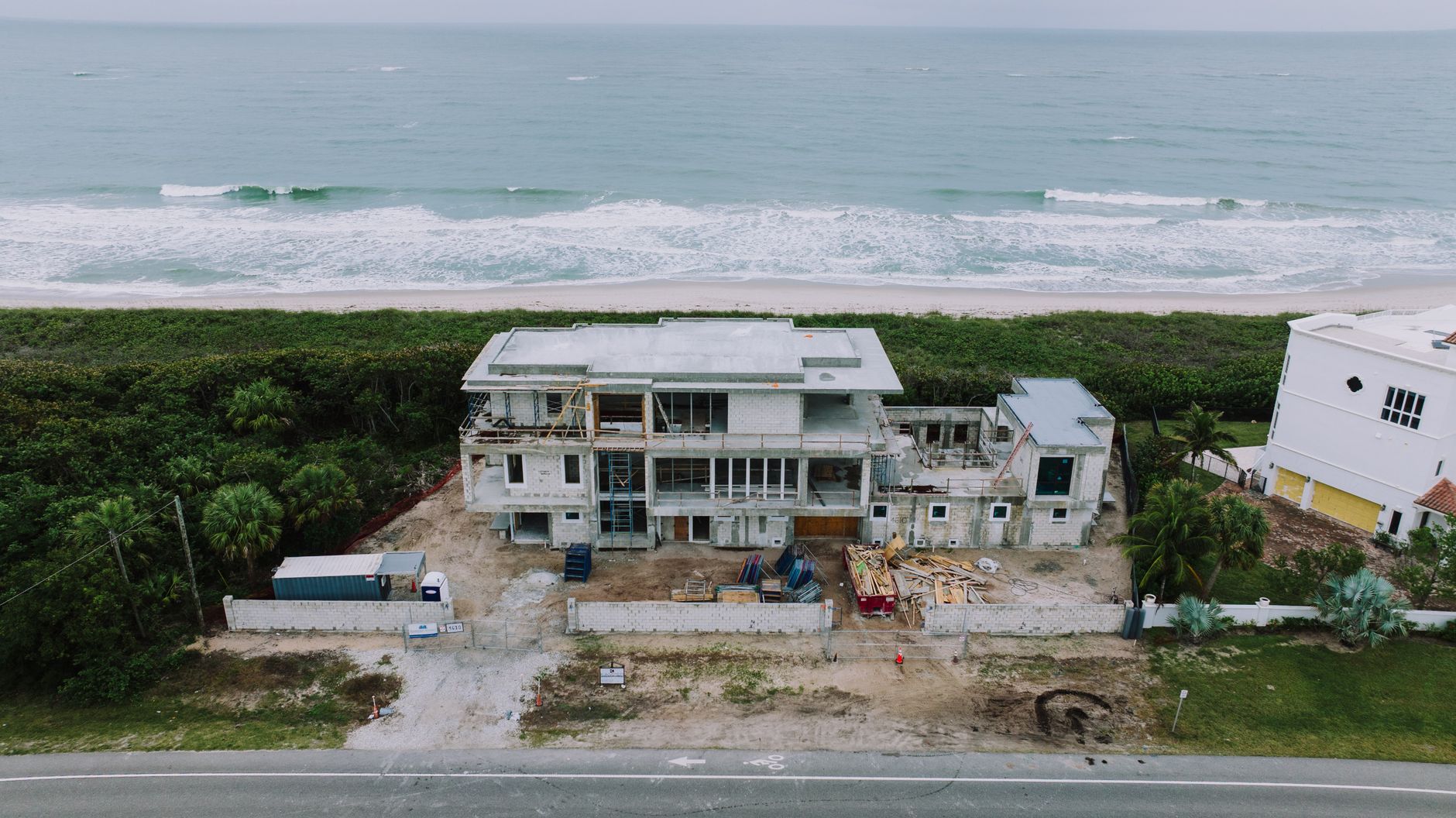
Navigating Maitland new construction loans requires a focused approach tailored to rental or small commercial investment properties. Whether you're developing a new duplex for lease in Maitland or repositioning a mixed-use space in nearby Winter Park or Orlando, knowing what makes a project financeable in this part of Orange County can determine your success.
This guide walks real estate investors, builders, and landlords through specific factors local lenders may evaluate in new construction loan requests. You'll find step-by-step decision points—from land readiness to draw schedules—and practical submission insights for Maitland investment property loans.
What Makes a Ground-Up Construction Request Financeable in Maitland?
Lenders considering Maitland new construction loans typically start with the project's viability. For investors acquiring land for a rental or small commercial build, a clear investment rationale is essential—whether that's stable local rental demand or a feasible lease-up plan. Lenders like AFI Private Lenders will review the intended use, market conditions in Orange County, and your demonstrated ability to complete and exit the project. Commercial loan requests for properties such as office condos, retail, or flex space may require additional lease documentation or tenant commitments at submission. Every deal is unique, but a project with realistic rental income projections, a defined exit and a professional team usually advances further in the process.
Land, Plans, Permits and Project Readiness
Maitland investment property loans for new construction aren't evaluated solely on property location. Lenders need to see site control (such as a recorded deed or valid purchase contract) and project readiness—including finalized plans and clear evidence of permit progress with local authorities. If you're pursuing a new build near Maitland Center, for example, incomplete plans or unverified land title could delay your application. During due diligence, working with qualified local professionals—such as a Maitland architect or Orange County land use consultant—can help validate zoning, permitting and site development questions. Always check applicable requirements with city and county departments before applying for financing.
Builder, General Contractor and Project-Team Considerations
From first-time developers to seasoned pros, demonstrating an experienced project team is vital for loan approval. Lenders will review the resumes and track records of the builder, general contractor, and any key consultants. For new entrants, AFI is open to reviewing qualifying requests but will emphasize your advisors, contractor relationships, and project management plan. In Maitland, where construction costs and permitting timelines can vary by neighborhood, a seasoned builder who understands local processes gives your application credibility. Ensure your team is licensed, insured, and capable of meeting Orange County requirements.
Budget Detail, Contingency and Borrower Liquidity
A realistic and detailed construction budget signals lender confidence. Investors seeking new construction loans in Maitland, Florida should present line-item estimates (labor, materials, permits, soft costs), a contingency reserve, and clear evidence of available cash to close. Lenders such as AFI Private Lenders typically require that you demonstrate the liquidity to cover cost overruns, especially in fluctuating material markets. For example, adding a 10% contingency on a $950,000 rental project could help absorb unexpected permitting or construction issues, smoothing inspections and draws. Prepare to support your numbers with third-party bids or contractor estimates before submission.
How Construction Draws Work After Closing
For approved Maitland new construction loans, loan proceeds are often disbursed as draws—matching project milestones and verified work completion. AFI aims to keep the draw process straightforward and practical, but each release is subject to draw documentation, inspections, and agreed-upon underwriting. Typical items reviewed include contractor invoices, lien waivers, and municipal inspection reports. For a four-unit building off Lake Sybelia, you could expect periodic site inspections, so plan scheduling and document collection early. Communicate with your lender to establish draw expectations and avoid delays.
Schedule Risk, Cost Overruns and Change Orders
Even the best-planned projects in Maitland can encounter cost overruns, weather delays, or discovery issues. Lenders will ask how you plan to manage variations and require documented change orders for significant scope changes. Having a robust contingency, flexibility in your budget, and engaged vendors helps keep your project on track. Meanwhile, investors should build time buffers into lease-up and marketing schedules—especially if targeting tenants in competitive Orange County submarkets like Altamonte Springs or Winter Park. If construction risks appear outsized, consider whether a phased build or alternative financing makes more sense for your goals.
Sale, Refinance and Rental-Stabilization Exit Options
Every new construction loan requires a credible exit. In Maitland, this typically means either a sale upon completion, a long-term refinance, or tenant lease-up followed by stabilization. Lenders value realistic timelines, third-party rent comps, and—for commercial projects—any pre-lease or tenant commitments. For multifamily or small commercial spaces, documenting local rental market support (such as through signed LOIs or market studies) will help support your exit case. For investors uncertain about long-term holds, a strategic sale or 1031 exchange post-completion may be more appropriate, especially if adjacent markets like Orlando show stronger absorption trends.
A Construction-Loan Submission Checklist
- Recorded deed or enforceable purchase contract
- Approved plans and current site survey
- Permit application or status documentation
- Detailed construction budget with contingency line
- Borrower/business financials and liquidity proof
- Builder/general contractor qualifications and insurance
- Exit plan: lease agreements, LOIs, or listing plan
- Title report and insurance documentation
- Summary of project team and professional contacts
Each item should relate clearly to the property and the requested loan. Ensure documents are current and reflect the exact scope of the Maitland project in question.
Mini-Case: Hypothetical Maitland Small Commercial Development
Suppose a Maitland-based investor acquires a vacant lot for $300,000 and plans a two-tenant retail building budgeted at $900,000. With lease commitments in hand and $200,000 in strong liquidity, the investor applies for a construction loan with leverage up to 65% of the total project cost ($780,000). AFI reviews the project’s plans, finalized construction budget, builder experience, and the tenants’ letters of intent. After vetting and documentation—including proof of permits and insurance—the loan is approved. Draws are scheduled at key milestones, with careful tracking against line-item budgets and construction progress reports. The investor’s exit is a long-term refinance with a local bank after leases stabilize. This example highlights the practical requirements and the need for solid preparation when submitting Maitland new construction loans.
Real Estate Investor Financing FAQs
Who can apply for Maitland new construction loans?
Business-purpose borrowers such as real estate investors, builders, landlords, and commercial property owners focused on rental or small commercial projects.
What documentation will I need for my loan application?
Site control documents, plans, permits, construction budget, financial statements, team credentials, and a clear exit strategy (lease, sale, or refinance) are standard.
Does AFI Private Lenders rely on traditional credit scores?
For fix-and-flip loans, traditional credit scores are not a primary factor; other new construction loan types may be evaluated more fully on project and financial strength.
Can first-time builders apply for new construction financing?
Yes, AFI will review qualifying requests from new builders, but approval depends on a strong project, competent team, and documented readiness.
What happens if construction costs run over budget?
A built-in budget contingency and borrower liquidity help manage overruns; clear communication and documented change orders are required for draw adjustments.
Is a lease or tenant commitment needed for commercial loans?
Pre-leased space or signed letters of intent can strengthen commercial loan applications, especially for retail or office builds in Orange County.
Should I check flood or zoning issues before applying?
Absolutely—verify property zoning, permits, title and flood zone status with city, county officials, and qualified professionals before submitting your loan package.
Have a Maitland investment property to finance?
Send the property address, requested loan amount, property type and investment plan for an initial review.