
A specialized guide to Maitland hard money and bridge loans, crafted for real estate investors and property owners seeking short-term financing in Central Florida.
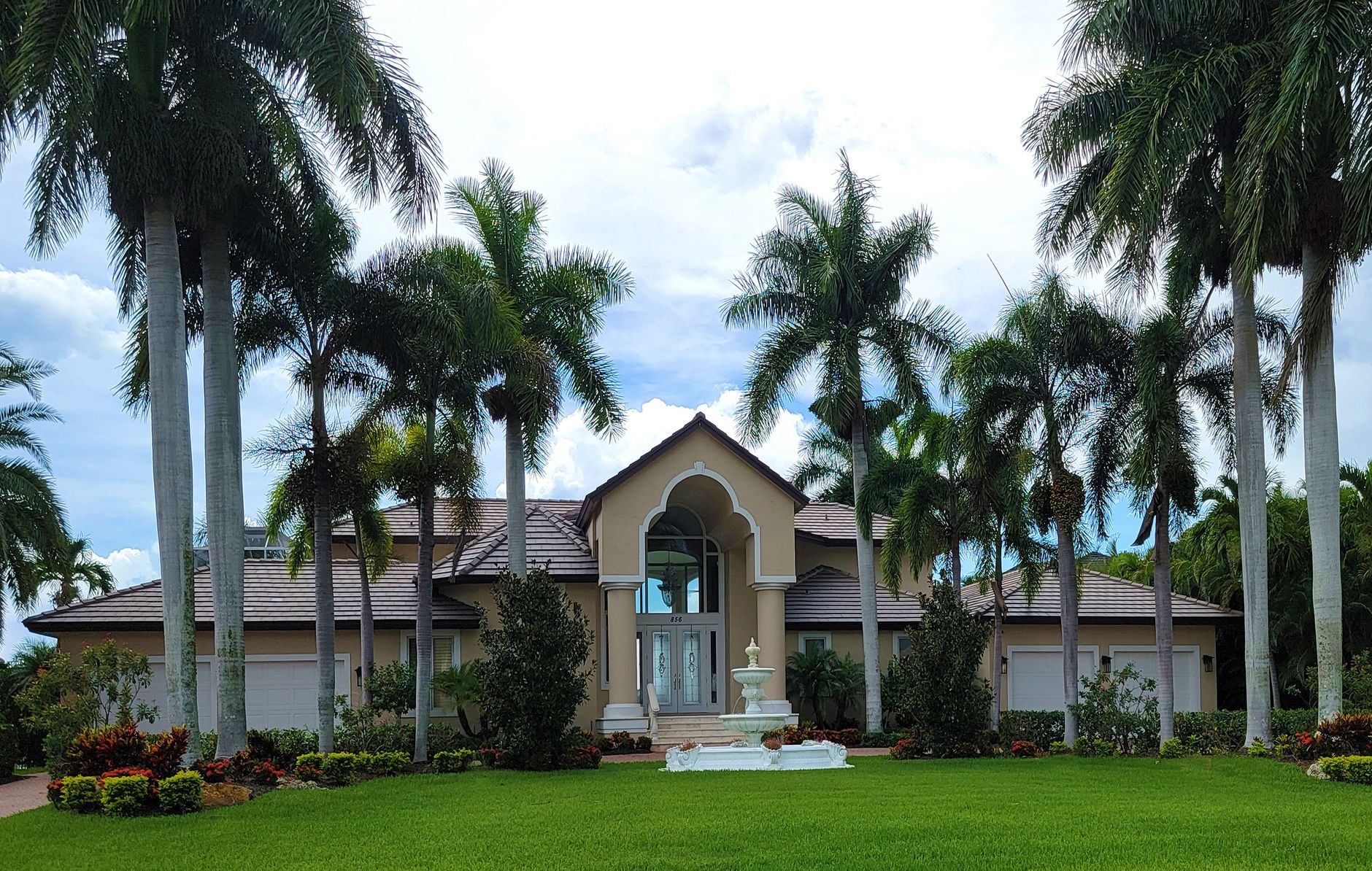
Maitland investors and property owners frequently turn to bridge and hard money lenders to finance acquisitions, refinances, or transitional rentals and small commercial assets in this expanding Orange County market. These options can unlock opportunity when traditional financing falls short, especially when timing matters or property repositioning is in play.
This guide explores how qualifying bridge and hard money loan requests are evaluated for Maitland and nearby areas like Winter Park, Orlando, and Altamonte Springs—particularly for income properties with leases and defined exit plans. Understanding local deal factors and investor objectives helps craft a winning approach for rental or small commercial acquisitions requiring creative, business-purpose financing.
1. When Investors Use Short-Term Bridge Financing
In Maitland and neighboring Central Florida communities, bridge loans are frequently leveraged by real estate investors seeking to move quickly on opportunities or overcome hurdles that traditional lenders can’t address. These situations often include fast closings for income property acquisitions, buying properties that require improvements or lease stabilization, or refinancing matured debt while pursuing longer-term financing. Bridge loans may also help property owners in Orlando or Winter Park unlock value or reposition assets before seeking permanent loans or resale.
2. Acquisition, Refinance, and Transitional-Property Situations
Short-term financing is commonly requested for new purchases, but Maitland hard money and bridge loans are equally suited to refinances—especially when conventional lenders hesitate. This is typical for assets needing light rehab, expiring balloon notes, inherited properties, or business expansions in Orange County. For landlords and commercial investors, the short timeline and flexible use of funds can smooth transitions between tenants or accommodate evolving lease agreements. For properties in limbo—mid-renovation, pre-leasing, or re-tenanting—a well-structured bridge loan can preserve momentum and unlock future exit strategies.
3. Collateral, Leverage and Property-Condition Considerations
Every loan request is evaluated primarily on the strength and suitability of the collateral. Maitland private lenders, including AFI Private Lenders, focus on property value, business purpose, physical condition, and local marketability. Points like needed repairs, current rent roll, and future lease-up impact leverage available and overall risk tolerance. Investors targeting rental or small commercial buildings should prepare transparent documentation of current and projected property income, as well as plans for stabilization or repositioning.
Hypothetical Mini-Case: Suppose an investor acquires a Maitland duplex for $400,000, intending $40,000 in upgrades and aiming for a new lease. If a bridge lender offers 65% leverage on the total projected value ($400,000 + $40,000 = $440,000), the loan might be up to $286,000, leaving room for improvement costs and closing expenses. The actual loan amount depends on property merit, business plan, and lender criteria.
4. How Timing Affects a Bridge-Loan Request
Quickly closing on a property can be critical in a competitive market like Maitland or Altamonte Springs. Investors often turn to bridge loans when sellers require certainty or when delays with traditional lenders could cause missed opportunities. However, the speed of a bridge loan depends on complete and accurate documentation, clear business purpose, and transparent property disclosures. Delay risks increase for properties with unresolved title, permitting, or insurance issues—so early due diligence is crucial, and investors should always consult with local professionals before proceeding.
5. Carrying Costs, Maturity Risk and Interest Expense
All bridge and hard money loans involve trade-offs between access to capital and the cost of borrowing. Investors must factor monthly payments, interest expense, points, and ongoing property costs—like taxes, insurance, and repairs—into their cash flow analysis. Maturity risk arises if a planned sale or refinance takes longer than expected. In Maitland’s evolving market, prudent investors also budget reserves for unexpected delays or vacancies to avoid default or forced sales.
6. Building a Realistic Payoff or Refinance Plan
Unlike long-term loans, bridge loans have short maturities—often ranging from six months to a few years. A successful transaction relies on a well-documented exit strategy, such as a pending sale, executed leases supporting future refinancing, or a clear path to property stabilization. For Maitland investment property loans, lenders like AFI will look for evidence of current or projected rental performance, signed leases, and a timeline for reaching underwriting milestones required by conventional financing. The most credible plans include market comps, letters of intent, and honest assessments of property strengths and weaknesses.
7. What to Submit for an Initial Bridge Review
For investors seeking Maitland hard money and bridge loans, submitting a clear, detailed loan package is essential. This typically includes:
- Property address and legal description
- Purchase contract or mortgage statement (if refinance)
- Current rent roll and lease copies
- Budget for renovations (if applicable)
- Photos and property inspection report
- Ownership entity documents
- Exit plan (sale contract, refinance projections, leasing plan)
- Title and insurance documentation
Complete, organized submissions allow lenders to respond efficiently and may prevent costly delays.
8. When Conventional Financing May Fit Better
Bridge or hard money financing is rarely a one-size-fits-all solution. If a Maitland property is stabilized, fully leased, and meets conventional lender criteria, lower-cost traditional loans may be available. Conventional loans tend to be preferable for long-term holds, low-leverage acquisitions, or borrowers with strong credit and lease history. AFI Private Lenders does not rely heavily on traditional credit scoring for fix-and-flip loans, but in cases where a property and borrower profile fit conventional guidelines, exploring bank or agency financing may offer better economics and extended repayment terms.
Real Estate Investor Financing FAQs
What properties can qualify for bridge and hard money loans in Maitland?
Qualifying properties are typically business-purpose investment assets, including rental residences and small commercial buildings. Each property is evaluated for value, condition, business plan, and exit strategy.
What documentation is required for a Maitland bridge loan request?
Expect to submit a purchase contract or payoff statement, lease information, renovation budgets, clear photos, insurance evidence, legal entity documents, and a detailed exit plan.
Do hard money lenders focus only on credit scores?
Traditional credit scores are not relied on heavily, especially with fix-and-flip or value-add bridge loans; asset value, property plan, and exit documentation weigh heavily.
Are there special considerations for transitional or value-add Maitland properties?
Yes. Properties needing improvements, lease-up, or tenant changes require strong documentation of projected income and a clear, realistic path to stabilization.
How can an investor avoid delays when closing a bridge loan?
Early preparation of documentation, prompt property inspections, and consulting local professionals for title, insurance, or permitting concerns can help prevent costly holdups.
Is all property in Maitland eligible for private lender financing?
Not every property or request qualifies. Eligibility depends on asset type, condition, business purpose, documentation quality, and the feasibility of the investor’s exit plan.
When is conventional financing likely to be a better choice?
If the property is fully stabilized, leased, and you or your business meet traditional bank or agency criteria, long-term financing may offer more favorable rates and terms.
Have a Maitland investment property to finance?
Send the property address, requested loan amount, property type and investment plan for an initial review.