
Lake Mary DSCR loans offer real estate investors tailored financing by focusing on cash-flow, leverage, and equity for higher-basis properties in Seminole County.
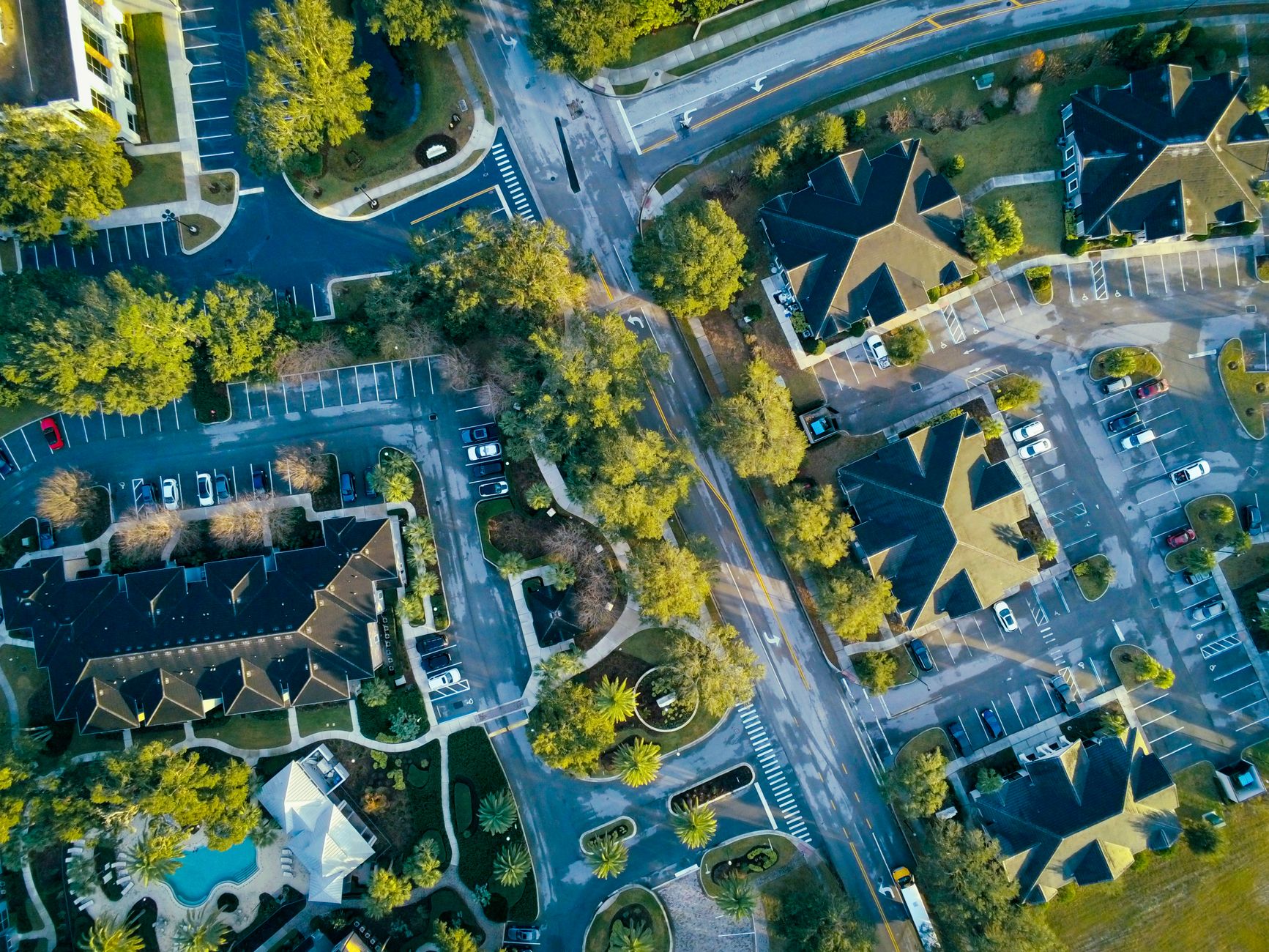
Real estate investors in Lake Mary understand that structuring debt for high-basis rental acquisitions or refinances isn’t just about getting funds—it's about building a sustainable investment with the right balance of leverage and equity. Lake Mary DSCR loans, underwritten by private lenders, deliver an alternative approach that examines rental property income in the context of local risk factors, reserves, and future rental market dynamics.
This guide explores exactly how DSCR loans may be evaluated in Lake Mary and Seminole County, what drives approval decisions, and the essential documentation investors should prepare when considering acquisition, refinance, or portfolio expansion in the area or nearby cities like Sanford and Longwood.
How DSCR Financing Looks at a Lake Mary Rental Property
DSCR—Debt Service Coverage Ratio—financing focuses on whether a Lake Mary investment property can generate enough rental income to cover required debt payments plus operating expenses. For higher-basis properties in Lake Mary or neighboring Heathrow and Sanford, lenders like AFI Private Lenders review factors such as the reliability of projected rent, the overall property condition, borrower's contributions, and the planned debt structure.
The investment thesis relies less on W-2 income and more on rental income stability. For stabilized rentals, local tenancy trends, submarket vacancy patterns, and whether a lease fits the typical Lake Mary tenant profile can all influence a lender’s comfort with leverage and term. This market-specific lens makes DSCR loans a relevant solution for Lake Mary’s rapidly evolving rental markets, where property quality and investor equity are decisive.
Rent, Lease Terms, and Income Documentation
For DSCR loans in Lake Mary, the backbone is verifiable rental income. Lenders will examine executed leases, rent rolls, and deposits to verify income. Properties with high tenant turnover or short-term rental models—common in some Central Florida markets—may require added documentation, such as occupancy histories or Airbnb payout statements, especially when projecting seasonal income.
Investors should consider if lease terms align with prevailing neighborhood demand in Lake Mary or Seminole County. Substantiating rents through third-party reports or competitive listings strengthens the case, especially for newly acquired or recently improved properties.
Taxes, Insurance, HOA Expenses, and Debt Service
Beyond rent, all recurring ownership costs play a major role in DSCR loan qualification. Lake Mary and Seminole County investment properties may have non-homestead tax rates, fluctuating insurance costs, or changing HOA dues. Lenders review tax bills, insurance binders, and HOA statements to confirm baseline cash flow and debt-coverage projections.
Rental investors should expect these figures to be closely analyzed, as underestimating them can undermine leverage and hamper ongoing performance. Flood, wind, and liability insurance requirements should be independently clarified by the investor with qualified professionals before closing to ensure insurability in the area.
Vacancy, Repairs, and Reserve Planning in Lake Mary
Lake Mary DSCR loans are evaluated based on both current and future property performance. Factoring in vacancy, anticipated repair costs, and prudent reserves is part of the local underwriting discipline. For higher-basis properties—such as newly renovated units or projects in high-demand pockets of Lake Mary—a conservative vacancy estimate and a well-supported repair and reserve budget improve loan strength and investor flexibility.
Lenders typically want to see that properties can support periods of downtime or unexpected maintenance without jeopardizing debt service. Formal documentation of any outstanding repair items, rental guarantees, or cash reserves is helpful in more complex scenarios.
Acquisition Versus Refinance Scenarios
Lake Mary investors considering DSCR loans must fit their debt structure to their investment strategy. In an acquisition, down payment (equity invested), projected cash flow, and future rental upside are weighed more heavily. Refinance requests, especially cash-out transactions, are scrutinized for sustainable leverage: how much equity remains after the refinance, and how stable the income appears over time.
In both acquisition and refi loans, DSCR underwriting weighs how well rental income covers total obligations. Borrowers with deeper local knowledge, demonstrated management experience, and a clear reserve plan are typically better positioned in lender reviews throughout Lake Mary and nearby communities.
Single-Property Versus Portfolio Considerations
Lake Mary DSCR loans can support both single rental properties and multi-asset portfolios. For multi-property investors—especially those growing in Seminole County or with assets in Sanford and Longwood—underwriting will likely include aggregated property income, cross-collateral options, and occasionally global cash flow analysis.
Lenders assess whether the overall portfolio can withstand local risks: variations in vacancy, maintenance needs, and differing lease profiles. Properly presenting a portfolio's performance track record and explaining how each Lake Mary property fits with broader investment objectives can strengthen a borrower’s case.
What a Rental Investor Should Submit for DSCR Review
Lenders evaluate Lake Mary DSCR loan requests by reviewing detailed property and borrower information. Here’s a practical checklist of common documents and data points for a robust review:
- Executed leases/rent rolls for each property
- Recent income/expense statements or trailing 12-months operating history
- Property tax, insurance, and HOA documentation
- Appraisal, BPO, or comparable sales data
- Evidence of cash reserves and/or repair budgets
- LLC/borrowing entity docs and organizational chart
- Borrower financial statements and local experience summary
- Credit report (traditional credit scores may be less important for certain products, but are typically reviewed)
Proactively organizing these materials not only speeds up underwriting but may also help support preferred leverage or rate scenarios for a Lake Mary DSCR loan request.
When DSCR Financing May Not Be the Right Structure
While DSCR loans align well with high-basis, cash-flowing investment properties in Lake Mary and Seminole County, they may not be optimal for every scenario. Situations where property income is unpredictable, occupancy is seasonal, or major deferred maintenance exists may call for a different approach—such as bridge loans, construction financing, or traditional bank loans. Additionally, if a Lake Mary investor seeks full recourse, lower-ratio leverage, or wants to model based on personal vs. property cash flow, a DSCR structure may be less relevant.
As a best practice, investors should evaluate multiple debt structures and confirm assumptions—including insurance, title, and regulatory requirements—with qualified local professionals before proceeding. The right structure balances risk, leverage, and exit strategies in Lake Mary’s unique rental investment landscape.
Mini-Case: Evaluating a Hypothetical Lake Mary DSCR Loan
Consider a hypothetical investor seeking to purchase a four-unit Lake Mary rental property for $1,100,000 with projected annual rents of $84,000. Annual taxes, insurance, and HOA total $19,500. With leverage set at 70% of purchase price, the loan request would be $770,000. To qualify, the projected monthly rental income ($7,000) should sufficiently cover estimated monthly debt service plus ownership expenses.
This simple projection helps determine if cash flow supports the proposed debt. However, if the property had inconsistent rental history or required major repairs, a DSCR loan might not be suitable—or required reserves and equity would likely increase. This mini-case underlines how leverage, reserves, and property performance are interdependent in DSCR underwriting for Lake Mary investments.
Real Estate Investor Financing FAQs
What is a DSCR loan and how does it differ from traditional investor financing?
A DSCR (Debt Service Coverage Ratio) loan is primarily underwritten based on a property's rental income relative to its debt obligations, while traditional financing often places more weight on the borrower's personal income and credit.
What documents should I prepare for a Lake Mary DSCR loan application?
You should be ready to provide leases, rent rolls, tax and insurance documents, recent income and expense statements, property valuations, organizational structure, and a summary of investor experience.
Are DSCR loans available for short-term rentals or only long-term leases?
DSCR loans may be available for both, but properties with short-term rental models may require more extensive income and occupancy documentation to demonstrate sustainable cash flow.
How does borrower equity impact approval for Lake Mary DSCR loans?
Having substantial borrower equity through down payment or existing value can strengthen loan approval prospects and may influence the amount of leverage available for Lake Mary projects.
Can I use a DSCR loan to refinance an existing Lake Mary investment property?
Yes, DSCR loans can be structured for both acquisition and refinance scenarios, but lenders will review current property cash flow and post-refinance leverage to assess sustainability.
Are there special rules or local nuances for DSCR loans in Seminole County?
While DSCR loans follow general underwriting principles, local market dynamics, insurance requirements, and HOA regulations may affect documentation and loan structure. Always confirm property-specific items with local professionals.
Have a Lake Mary investment property to finance?
Send the property address, requested loan amount, property type and investment plan for an initial review.