Explore investment-focused new construction loans in Orlando, Florida. Learn underwriting basics, project criteria, and how local builders and investors qualify.
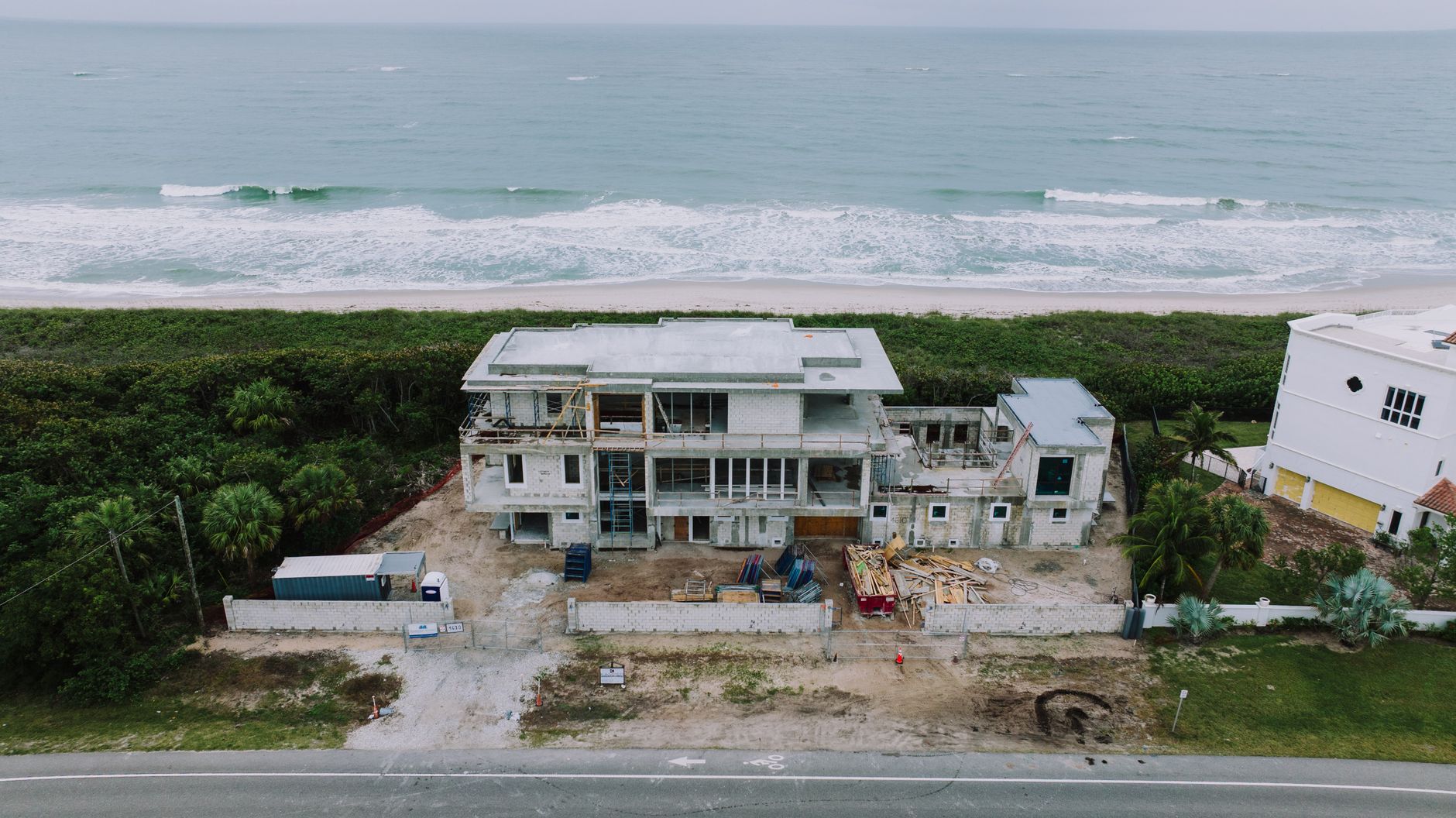
Orlando’s growth continues to spark new opportunities for real estate investors and builders—from urban infill in downtown to suburban and mixed-use projects in Winter Park, Maitland, and beyond. Securing the right financing for ground-up construction is essential, whether you’re repositioning a lot in Winter Garden, building townhomes in Ocoee, or developing rental product in Apopka or Windermere.
This guide explores how Orlando new construction loans are typically evaluated by private lenders for investment properties. It covers unique dynamics in the Orlando and Orange County market, highlighting requirements, trade-offs, and submission tips for successful project financing.
What Makes a Ground-Up Construction Request Financeable
For investors and developers, a financeable new construction request in Orlando hinges on project quality, experience level, and market fundamentals. Private lenders such as AFI Private Lenders focus on commercial projects or business-purpose homes—not primary residences. Critical review areas often include the local neighborhood’s stability (such as revitalizing near downtown Orlando, or strategic projects in Winter Garden), project visibility, and resale or rental demand. Projects should tie into local demand drivers—such as proximity to major employers, transportation, entertainment corridors, or growth zones unique to Orange County.
Land, Plans, Permits and Project Readiness
Having control of your site is step one—usually with a deed, signed contract, or longstanding escrow. Lenders almost always want to see architectural plans, at a minimum, and details on site control. Permits are a crucial precondition, especially in high-activity areas like Maitland or downtown Orlando. Investors should present documentation of submitted or pending permits, utility availability, and project timeline milestones. While some Orlando private lenders can start reviewing requests before the full approval set, true project readiness means land, plans, and permits showing clear alignment for moving dirt.
Builder, General Contractor and Project-Team Considerations
AFI Private Lenders is open to reviewing new construction requests from first-time builders, though experience does contribute to underwriter confidence. It’s important to present your project team clearly: Who is the licensed general contractor? What is their relevant Orlando or Orange County area track record? Do recent projects mirror your intended scale or complexity? Builders assembling teams should emphasize credible resumes, insurance, licenses, and evidence of good standing. For urban infill or multifamily projects, a capable local team can improve eligibility for new construction loans Orlando Florida investors rely on.
Budget Detail, Contingency and Borrower Liquidity
A credible budget is the foundation of a financeable construction package. Lenders generally want transparent hard and soft cost breakdowns, with a built-in contingency to address unexpected issues—something especially relevant in Orlando’s changing construction environment. Lenders may review the borrower’s liquidity to ensure funds for cost overruns, interest reserves, or delays. Detailed, realistic budgets supported by reliable bids from local GC’s matter, especially in competitive Orange County submarkets like Windermere and Winter Park where cost control can make or break a project’s success.
How Construction Draws Work After Closing
Once closing is complete, investment projects typically proceed through draw requests, where funding is released as milestones are met. AFI aims to keep the process straightforward for qualifying borrowers: draws are subject to documentation, inspections, budget tracking, and loan requirements. Orlando investors should prepare for periodic site visits and clear, timely submissions to avoid draw delays. This ensures timely payments to general contractors, and keeps projects moving forward in line with both lender and municipality expectations.
Schedule Risk, Cost Overruns and Change Orders
Every Orlando new construction loan must account for schedule risk and cost unpredictability. Delays due to weather, labor shortages—or change orders for unanticipated scope—are possible in both urban areas and suburban infill. Lenders value plans that build in reasonable timelines, padded schedules for inspections and municipal reviews, and realistic contingencies. Borrowers who can demonstrate a disciplined process for managing change orders and keeping construction on schedule are more likely to preserve their leverage and project feasibility if issues arise.
Sale, Refinance and Rental-Stabilization Exits
Orlando’s investor market includes both spec builders and long-term landlords, so lenders review the plausibility of your exit strategy. Are you planning to sell in a hot submarket like Maitland or hold and lease-up a townhome cluster near UCF? Lenders expect a clear, market-based explanation—with supporting research or local sales evidence—of how the loan will be paid off. For rental exits, it’s important to explain lease-up strategy, target rent levels, and what metrics establish “stabilization.” If your plan is to refinance, disclose which lenders or permanent programs you plan to approach.
A Construction-Loan Submission Checklist
When applying for Orlando investment property loans, preparation is everything. Here is a basic checklist for submission to most private lenders—including AFI:
- Evidence of site control (contract, deed, or escrow documents)
- Architectural plans, surveys, and specs
- Permitting application status or approvals
- Builder and contractor resumes, licenses, and insurance
- Detailed construction budget with contingency and supporting bids
- Borrower and key principals’ financial statements
- Timeline with pre-construction, construction, and exit milestones
- Clear exit strategy: sale comps or rental pro forma
Starting with a well-assembled package improves your standing with Orlando private lenders and helps surface project-specific questions before underwriting begins.
Real Estate Investor Financing FAQs
Do private lenders finance first-time builders in Orlando?
Some private lenders, including AFI, will review requests from first-time builders. However, approval depends on overall project strength, team experience, and preparation.
How do construction draws work with Orlando private lenders?
Funds are released in stages after closing—based on completed work, inspections, and documentation—rather than as a lump sum. Each draw is reviewed case-by-case.
What leverage is available on Orlando new construction loans?
The specific leverage available depends on project factors and underwriting. Investors should be prepared for varying requirements based on the lender’s risk evaluation.
What documents are most important when applying for an investment property construction loan?
Key items include construction plans, evidence of site control, permits or application status, builder qualifications, and a credible, itemized budget. Liquidity and exit plans are also critical.
Can I get a loan before permits are issued?
Some lenders can review your loan request while permits are in process, but funds usually will not be advanced until permits are approved and all prerequisites are met.
Are new construction loans only for downtown Orlando, or also the suburbs?
Private lenders regularly finance urban and suburban projects throughout Orlando and Orange County, including areas like Winter Park, Windermere, and Ocoee.
Have a Orlando investment property to finance?
Send the property address, requested loan amount, property type and investment plan for an initial review.