Explore how Orlando DSCR loans empower city and suburban property investors, with a focus on qualification, underwriting, and strategic financing choices.
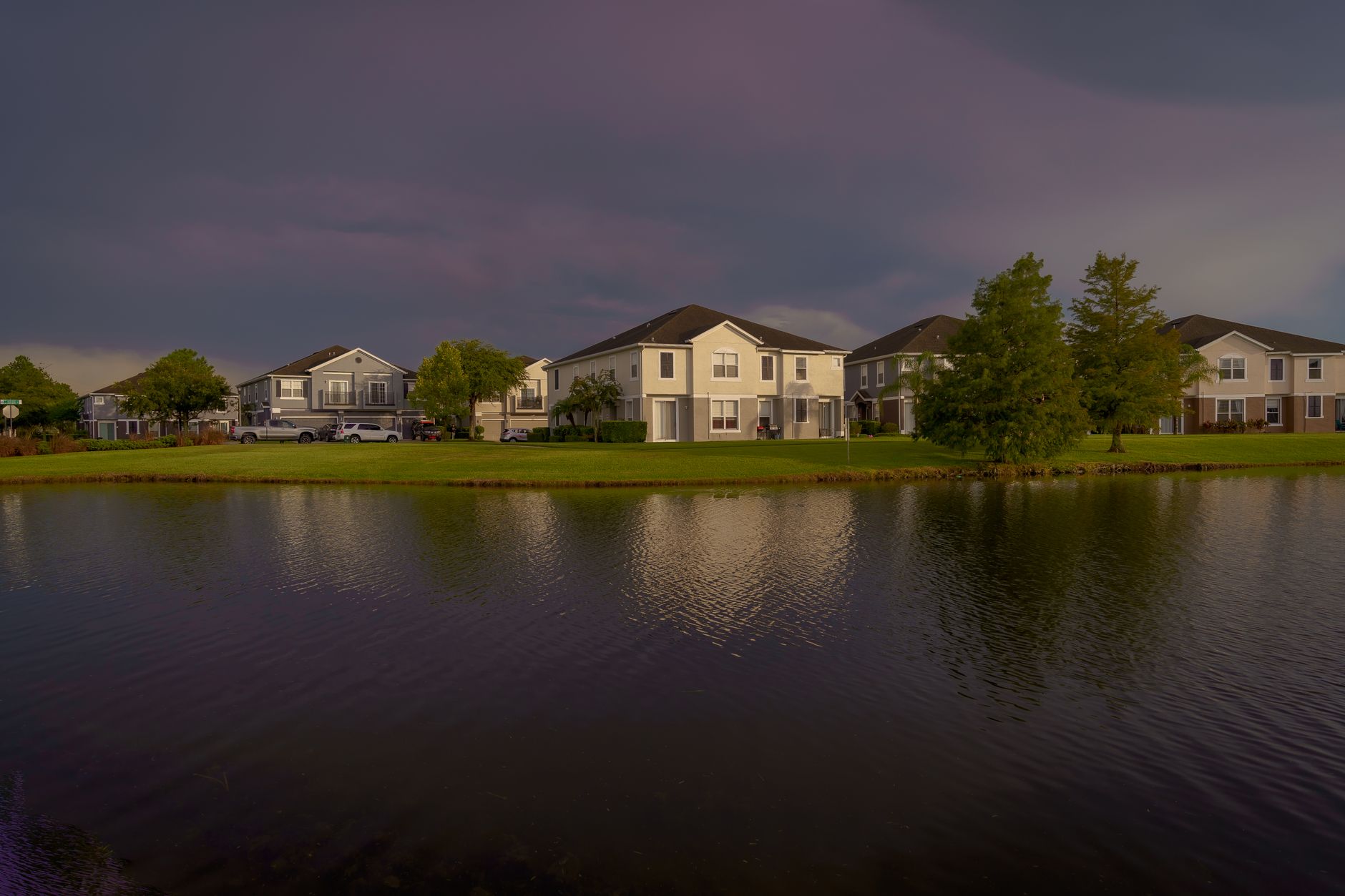
Orlando’s dynamic property market draws multifamily landlords, short-term rental operators, and infill developers alike. For many, the challenge is not finding opportunities, but structuring efficient, scalable financing—especially as competition for both established rentals and value-add assets intensifies in neighborhoods from Winter Park to Ocoee.
Orlando DSCR loans help local and regional real estate investors qualify primarily on the basis of a property’s income generation, not the borrower’s personal income. Whether you’re acquiring a cozy duplex in College Park, refinancing a Maitland townhouse portfolio, or repositioning suburban single-family rentals, understanding how this financing is evaluated can make the difference between closing and coming up short.
How DSCR Financing Looks at a Rental Property
Unlike owner-occupied loans, Orlando DSCR loans prioritize a rental property’s projected or actual cash flow. The property’s ability to cover its debt service—meaning principal and interest payments—based on rental income is a key factor. Private lenders in Central Florida, including AFI Private Lenders, review figures such as current leases, market rents, and the likely stability of income in vibrant urban corridors as well as fast-growing suburban pockets like Apopka or Winter Garden. Investor experience and business purpose are also reviewed, but property-specific economics are typically central in decision-making.
Rent, Lease Terms and Income Documentation
A strong income profile gives Orlando and Orange County properties a better shot at qualifying for DSCR loans. Lenders often review executed leases for both long-term and short-term rentals, looking at details such as lease duration, rental rates, and occupancy history. For single-family homes in Ocoee or infill fourplexes near Downtown, accurate rent rolls and consistent payment histories matter. If leases are month-to-month or if units are vacant, additional analysis may be required, relying on documented market rental rates and, in the case of new acquisitions, future leasing scenarios.
Taxes, Insurance, HOA Expenses and Debt Service
It’s not enough for an Orlando investment property to generate rent—the net operating income must sufficiently exceed all recurring expenses and the required loan payments. DSCR lenders review property tax records, current insurance premiums, and HOA dues (particularly relevant for condominiums and newer subdivisions in places like Windermere or Maitland). Underwriting will typically factor in these costs to calculate how comfortably the property income can cover or exceed anticipated debt service on the financing being requested.
Vacancy, Repairs and Reserve Planning
All rental properties face potential periods of vacancy or unexpected repair bills. DSCR loans in Orlando and nearby areas reflect this risk—underwriters may apply a vacancy factor or require reserves to ensure stability. For older homes in established areas like Winter Park or multifamily properties with deferred maintenance, a reserve account or upfront repair plan can bolster the case. Experienced investors often present their own maintenance protocols or capital expenditure schedules to demonstrate readiness for operational hiccups.
Acquisition Versus Refinance Scenarios
The strategy behind your Orlando investment impacts how DSCR loan requests are evaluated. For acquisitions, lenders focus on projected rents, the local lease market, and value-add potential, especially in transitioning urban neighborhoods or infill sites. Refinancing existing rentals—whether consolidating a portfolio in Apopka or lowering costs on suburban assets—often means providing several months’ worth of rent receipts and operating statements. Both approaches require careful support for the projected property income and its sustainability.
Single-Property and Portfolio Considerations
Orlando investors range from first-time townhouse buyers to experienced portfolio landlords with properties across Orange County. DSCR loans can accommodate both single-property and multi-property scenarios, but documentation and underwriting may become more detailed as portfolios grow. For those with holdings in multiple Orlando submarkets or neighboring towns like Winter Garden or Maitland, consolidated rent rolls, portfolio-wide operating statements, and clear income sources help streamline reviews for both acquisition and refinance requests.
What a Rental Investor Should Submit for Review
To streamline consideration for Orlando DSCR loans, investors should assemble key property documents in advance. This often includes current leases, a detailed rent roll, evidence of rental payments, annual property tax documentation, proof of insurance, a summary of current or projected operating expenses, and for portfolios, a consolidated financial snapshot. Clear documentation supports more accurate underwriting whether the opportunity is a single Midtown Orlando single-family rental or a cluster of townhomes near the Windermere lakes.
When DSCR Financing May Not Be the Right Structure
DSCR loans are designed for business-purpose rental property financing, but they are not always the best option for every investor or property. Properties with highly variable income—such as those just stabilized or awaiting full lease-up—may require bridge loans or another approach. Fix-and-flip projects, ground-up construction, or heavy rehab scenarios often benefit from financing programs where traditional credit scoring may not be relied on as heavily. Finally, for owner-occupied purchases or when personal income is paramount, other loan structures may better suit a borrower’s needs.
Real Estate Investor Financing FAQs
What types of properties can Orlando DSCR loans finance?
DSCR loans can finance single-family rentals, multifamily properties, and small apartment buildings, as long as they generate sufficient rental income.
What documentation should I prepare for a DSCR loan in Orlando?
Investors should organize current leases, rent rolls, proof of rent receipts, property tax records, insurance documents, and a breakdown of property expenses.
Can new investors qualify for DSCR loans in Orange County?
Some new investors may qualify if the property shows strong income potential, but lender review extends to experience, property type, and business purpose.
How do Orlando private lenders assess debt service coverage?
They compare the property’s net operating income to the projected loan payments, considering taxes, insurance, HOA fees, and a vacancy factor.
When is a DSCR loan not the right choice for investment property financing?
If a property has unstable rent, is undergoing heavy rehab, or will be owner-occupied, other financing structures may be more suitable.
Are portfolio DSCR loans available for investors with multiple properties?
Yes, investors with multiple Orlando and Orange County rentals may secure DSCR-based financing, subject to detailed portfolio documentation.
Does AFI Private Lenders guarantee DSCR loan approval for all properties?
No, not every borrower or property will qualify. Approval depends on property income, expenses, leverage, borrower qualifications, and underwriting evaluation.
Have a Orlando investment property to finance?
Send the property address, requested loan amount, property type and investment plan for an initial review.