Explore how Orlando-area real estate investors can approach commercial property financing, from acquisition and bridge scenarios to underwriting essentials.
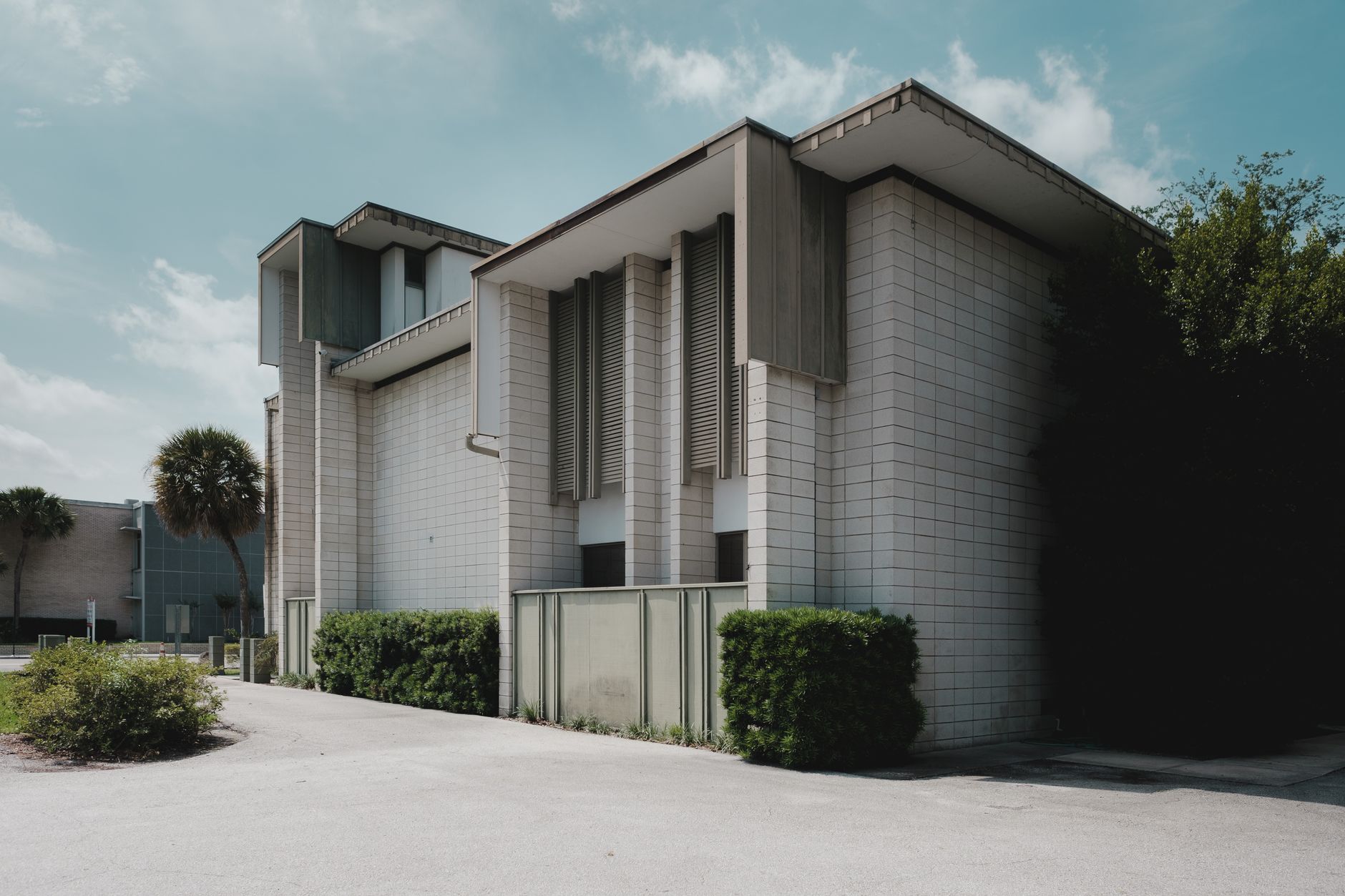
Orlando’s dynamic mix of urban projects, suburban developments, and infill opportunities is fueling demand for specialized commercial real estate financing. Whether you’re repositioning apartments in Winter Park, acquiring office space in Maitland, or updating retail in Winter Garden, your approach to investor financing matters.
This guide covers how commercial property loans are evaluated in Orlando and nearby Orange County communities—and what you’ll need to prepare for a successful funding review with private lenders such as AFI Private Lenders.
Commercial Property Situations AFI Can Review
AFI Private Lenders considers business-purpose real estate financing for various qualifying investment property types across Orlando and Orange County. This may include multi-family communities, retail centers, mixed-use assets, small-balance office, or light industrial properties. Investors, owners, and builders targeting properties in areas such as Apopka, Ocoee, and Windermere—with clear business plans and value strategies—are often best positioned. New acquisitions, portfolio expansion, property repositioning, and infill development all present viable scenarios, provided there’s a sound business case and credible exit strategy.
Acquisition, Refinance, Bridge and Repositioning Scenarios
Orlando commercial real estate loans from private lenders are frequently utilized for acquisition, interim bridge financing, or value-add repositioning—especially when timelines, asset conditions, or business plans do not fit traditional bank programs. You might leverage bridge financing to acquire and stabilize a vacant retail strip along Colonial Drive, refinance an underperforming asset in Downtown Orlando, or quickly secure infill land near Lake Eola for development. In each scenario, AFI focuses on the project’s business purpose, property potential, and viability of the investment plan.
Collateral Quality, Occupancy and Property Condition
When reviewing Orlando investment property loans, lenders pay careful attention to the underlying collateral. Newer Class A assets in Maitland may be weighed differently than older suburban flex spaces in Winter Garden. Physical condition, deferred maintenance, existing occupancy, tenant quality, and location—whether in a growth corridor or a transitioning neighborhood—play important roles. Lenders want to see that collateral can support the proposed leverage, and that improvements or repositioning plans are realistic for that part of Central Florida.
Tenant, Lease and Business-Plan Information
For stabilized properties, tenant and lease details are crucial. In Orlando’s competitive leasing market, the quality and duration of leases in your property—such as a long-term restaurant tenant on International Drive or a multi-year office lease in Altamonte Springs—can influence loan structure and risk assessment. If your plan involves lease-up, redevelopment, or intensive repositioning, a strong business plan backed by market research, leasing projections, and targeted tenant improvements strengthens the application.
Leverage, Capital Improvements and Borrower Equity
Unlike some traditional lenders, Orlando private lenders such as AFI weigh factors like borrower experience, equity participation, and a credible capital improvement budget. The maximum allowable leverage will depend on property type, overall risk, collateral strength, and your track record. Substantial equity, whether for ground-up multifamily projects near Lake Nona or retail renovations in Apopka, demonstrates commitment and can improve the loan request’s positioning for review.
Exit Strategy and Loan-Duration Planning
Every Orlando commercial real estate loan scenario should include a clear exit plan that fits the business model. Options may include refinancing into stabilized long-term debt, property sale upon completion of repositioning, or bulk portfolio disposition. Lenders like AFI will review how your exit aligns with the proposed loan duration and whether milestones—such as lease-up targets or construction timelines—are realistic for the local submarket and the specific asset.
What to Send for a Commercial Financing Review
To expedite an investment property loan review, gather detailed project summaries, pro formas, purchase contracts, operating statements, rent rolls, and a strong narrative describing your business plan. Photos, maps, and current property conditions are also helpful, especially for infill lots or underutilized structures in prime Orlando neighborhoods. Borrowers with a transparent package—including previous project resume and thoughtful exit strategy—can often move more efficiently through lender underwriting.
When Bank or Longer-Term Financing May Be Preferable
While private lending addresses many non-traditional or time-sensitive scenarios, institutional bank financing or government-backed loans may be more suitable for stabilized assets with strong historical cash flow and long-term holding plans. These programs can offer lower rates and extended amortization. Properties in fully stabilized submarkets such as Windermere or those with high-visibility corporate tenants in Winter Park may be strong candidates for conventional funding. Assess your property, timeline, and investment horizon carefully to determine the best match.
Real Estate Investor Financing FAQs
What types of commercial properties can AFI consider for loans in Orlando?
AFI reviews business-purpose loans for various investment property types, including multifamily, retail, mixed-use, office, and certain industrial assets.
How are loan requests evaluated for Orlando investment properties?
Requests are evaluated based on property quality, occupancy, business plan, collateral, proposed leverage, and the borrower's experience and exit strategy.
Is traditional credit scoring a major factor for asset-based commercial loans?
Traditional credit is not relied on heavily for certain investment property loans, with more emphasis placed on the property, plan, and equity.
What should I prepare for a commercial property financing request?
Provide a project summary, business plan, operating statements, rent rolls, property photos, and information about your experience and planned exit.
When might a traditional bank loan be a better fit for my Orlando property?
If your asset is fully stabilized and you plan to hold long-term, conventional bank or government programs may provide better terms and affordability.
Can AFI fund properties in nearby communities like Winter Park or Ocoee?
Yes, AFI reviews qualifying commercial real estate loans throughout Central Florida, including communities adjacent to Orlando.
Have a Orlando investment property to finance?
Send the property address, requested loan amount, property type and investment plan for an initial review.