Explore the essentials of Orlando cash-out refinance for investment property, with expert guidance for real estate investors across Orange County communities.
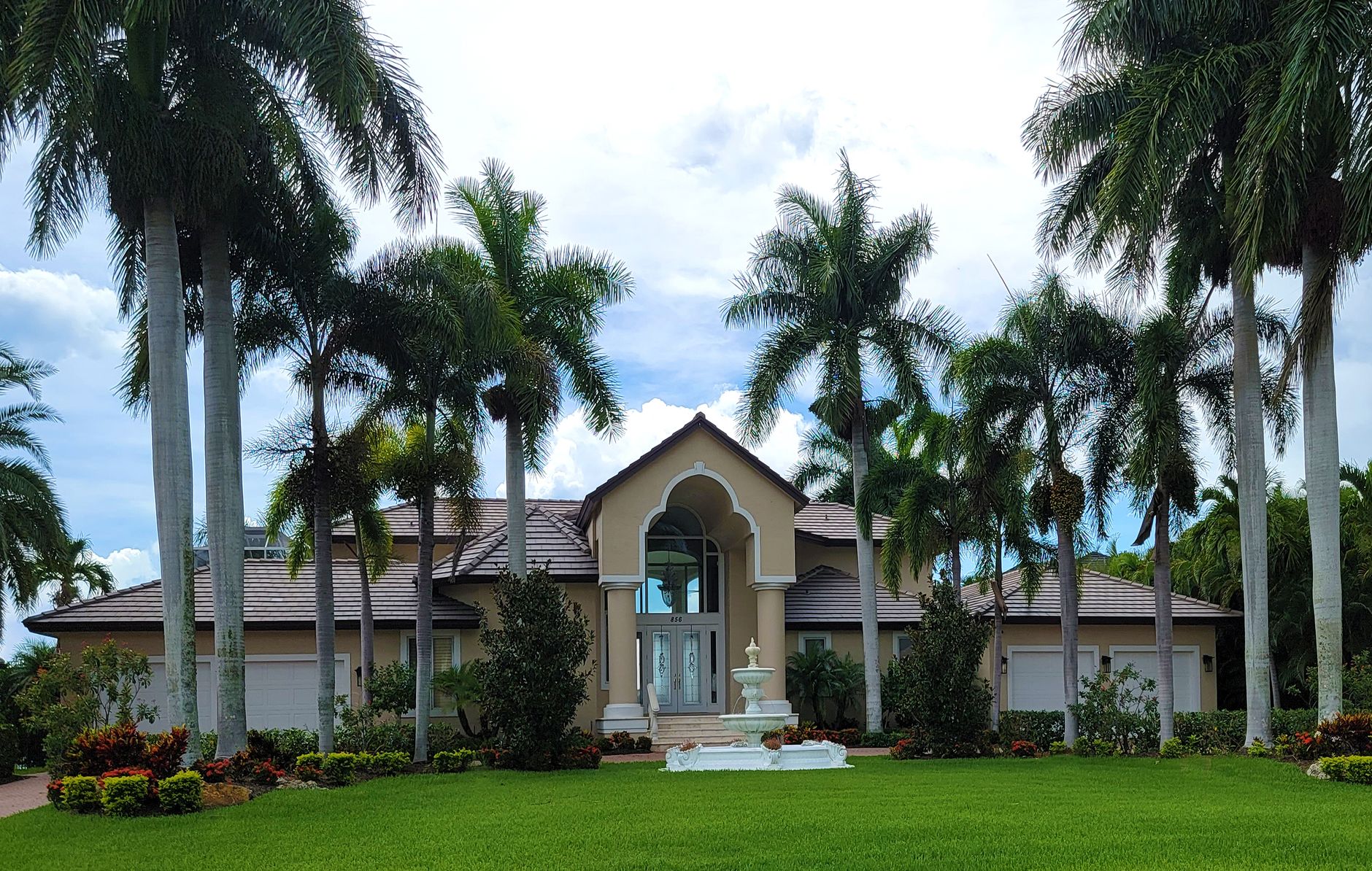
Orlando’s investment real estate landscape is driven by constant revitalization, infill redevelopment, and suburban growth. For investors, builders, and property owners in areas like Winter Park, Apopka, or Windermere, unlocking equity from commercial or rental properties through a cash-out refinance can be a powerful strategy to support new projects, upgrades, or acquisitions.
This local guide provides a clear look at the specific factors private lenders consider when evaluating cash-out requests for investment property in Orlando and nearby Orange County cities. We’ll unpack the real financing process, from property equity analysis to released-funds uses, with a focus on project-driven lending tailored for Central Florida’s evolving neighborhoods.
How an investment-property cash-out refinance works
A cash-out refinance for investment property in Orlando Florida allows owners to convert part of their real estate equity into liquid capital. With this strategy, an investor replaces their existing mortgage (if any) with a new, larger business-purpose loan—built on the property’s current value—while receiving net proceeds that can be reinvested.
This approach is commonly used among Orlando and Orange County investors seeking funds for property renovations, acquiring additional assets, or fueling new construction in dynamic areas like Maitland or Winter Garden. Private lenders such as AFI Private Lenders fit into this process by underwriting requests based on property value, existing liens, required leverage, and intended use of proceeds—not purely on traditional credit metrics.
Property equity, existing debt and requested proceeds
Lenders consider several critical inputs to structure an Orlando cash out refinance for investment property. First, the property’s current appraised value is established, forming the baseline for leverage calculations. Next, existing debt—including first and subordinate liens—must be reviewed via recent payoff statements. The gap between appraised value and total outstanding debt indicates how much net equity could be tapped through refinancing, subject to lender policies and market conditions.
Most owners in neighborhoods like Ocoee or Winter Park can expect that higher leverage may be possible if their properties are in good rental or market-ready condition, with clear cash flow and relatively low existing loan balances. However, overleveraging is generally avoided to ensure the property can support carrying costs under new debt obligations.
Business-purpose uses of released equity
Released funds from an Orlando private lenders cash-out refinance must be used for business purposes—residential flips, renovations for new tenants, commercial build-outs, land assembly, or portfolio expansion. Investors often leverage this strategy to reposition older properties in infill corridors or initiate acquisition-rehab cycles in rapidly changing submarkets like downtown Orlando or Winter Garden.
This capital cannot be used for personal or consumer purposes. Clear documentation, such as project budgets or purchase agreements, typically strengthens the case for a business-purpose loan decision, whether the investment is located in Apopka, Maitland, or within city limits of Orlando itself.
Value, leverage and property-condition considerations
Orlando investment property loans depend heavily on the projected as-is and after-repair value of the asset. Lenders like AFI assess both the property’s current state and the local market context—considering whether the asset is fully leased, mid-rehab, or land awaiting improvements. Leverage levels and loan sizing will reflect these realities. Properties in stabilized suburbs such as Windermere may qualify for different terms than urban parcels primed for redevelopment.
Furthermore, property condition influences risk: well-maintained rental assets or properties with a clear path to increased value often secure more favorable underwriting outcomes than those with deferred maintenance or complicated title issues. Detailed property photos, recent appraisals, and budgets for any planned work are essential to advance the process.
Cash flow, carrying costs and the new debt burden
One of the most important factors in Orlando investment property cash-out refinance is the property’s ability to support new financing. Lenders examine rental income, lease rolls, or projected sale proceeds relative to fixed obligations like property taxes, insurance, and the new monthly payment. Cash flow analysis helps confirm the property remains viable under the updated loan, especially as carrying costs can fluctuate in rapidly growing Orange County neighborhoods.
For multi-unit or mixed-use assets across Apopka or Ocoee, stabilized rent rolls and documented occupancy rates can help demonstrate that the investment is well-positioned to handle added leverage. When seasonal or vacancy risks are present, conservative projections are often used to safeguard both borrower and lender.
Payoff statements, title and existing-lien review
Secure refinancing in Orlando always requires a clear understanding of the property’s title, all recorded liens, and accurate payoff statements from prior lenders. Before releasing funds, lenders undertake a comprehensive title search to ensure no encumbrances—such as unpaid taxes, HOA claims, or unrecorded construction liens—could jeopardize collateral or clean ownership transfer.
Special attention is required in urban infill projects and redevelopment sites, where layered ownership or past mechanics’ liens can complicate the closing process. Seasoned Orange County real estate investors know the value of assembling all required documents in advance and working with experienced title professionals familiar with Central Florida nuances.
What to provide when requesting cash-out terms
When submitting a request for Orlando investment property loans, be prepared to share:
- Basic property details and location
- Recent appraisal or broker opinion of value
- Payoff statements on all outstanding liens
- Rental income statements or leases, if applicable
- Project budgets or intended use for released funds
- Photos, maps, and site plans where relevant
- Business entity information
Lenders like AFI Private Lenders will also conduct independent underwriting of the property, market, and intended project to confirm suitability for business-purpose financing. Being organized and transparent up front can streamline due diligence, especially with non-traditional projects in fast-changing Orlando submarkets.
Alternatives to a cash-out refinance
While many Orange County investors succeed with cash-out programs, some deals or project stages may call for different structures. Options include bridge loans (for rapid transitions), construction loans (for ground-up or heavy rehab), or transaction-based fix-and-flip financing. Each product has its own risk profile, documentation needs, and ideal fit scenarios—so exploring alternatives makes sense when large upfront draws are not required or when eligibility for a refinance is limited by property age or cash flow.
Discussing your project with an experienced Orlando private lender helps clarify options, risks, and the best fit for your business goals. In some cases, waiting for higher equity growth or resolving encumbrances before refinancing may be prudent. Others may benefit from temporary bridge lending or equity partner arrangements that can later be refinanced into long-term debt once milestones are achieved.
Real Estate Investor Financing FAQs
What types of Orlando investment properties qualify for cash-out refinance?
Eligible properties typically include non-owner-occupied residential, multifamily, mixed-use, or commercial real estate held for business purposes in Orlando or Orange County.
Does AFI Private Lenders rely on traditional credit scoring for cash-out investment loans?
Traditional credit metrics are not relied on as heavily for qualifying fix-and-flip loans. The main focus is the property's value, leverage, and project viability.
Can refinanced cash be used for personal expenses?
No. Released equity from an Orlando cash-out refinance must be used for documented business or investment purposes, not personal or consumer expenditures.
What documents should I prepare for a cash-out refinance request?
Prepare recent payoff statements, property details, a project plan or business budget, rent rolls (if leased), and verify your entity’s standing with up-to-date info.
Are properties with existing liens or mortgages eligible?
Yes, but all existing debt must be considered and paid off or wrapped into the new loan. Title and lien review are essential to confirm eligibility for cash-out proceeds.
Is a cash-out refinance only for urban Orlando properties?
No. Eligible properties may be located in urban, suburban, or infill locations throughout Orlando and nearby Orange County cities like Winter Garden or Windermere.
What are alternatives if my property doesn't qualify for a cash-out refinance?
Bridge loans, construction financing, or bringing in an equity partner are possible alternatives. Consult a local private lender to determine the best option for your scenario.
Have a Orlando investment property to finance?
Send the property address, requested loan amount, property type and investment plan for an initial review.