A detailed investor guide to Winter Park commercial real estate loans: how acquisition, improvements, and exit planning affect loan qualification and execution.
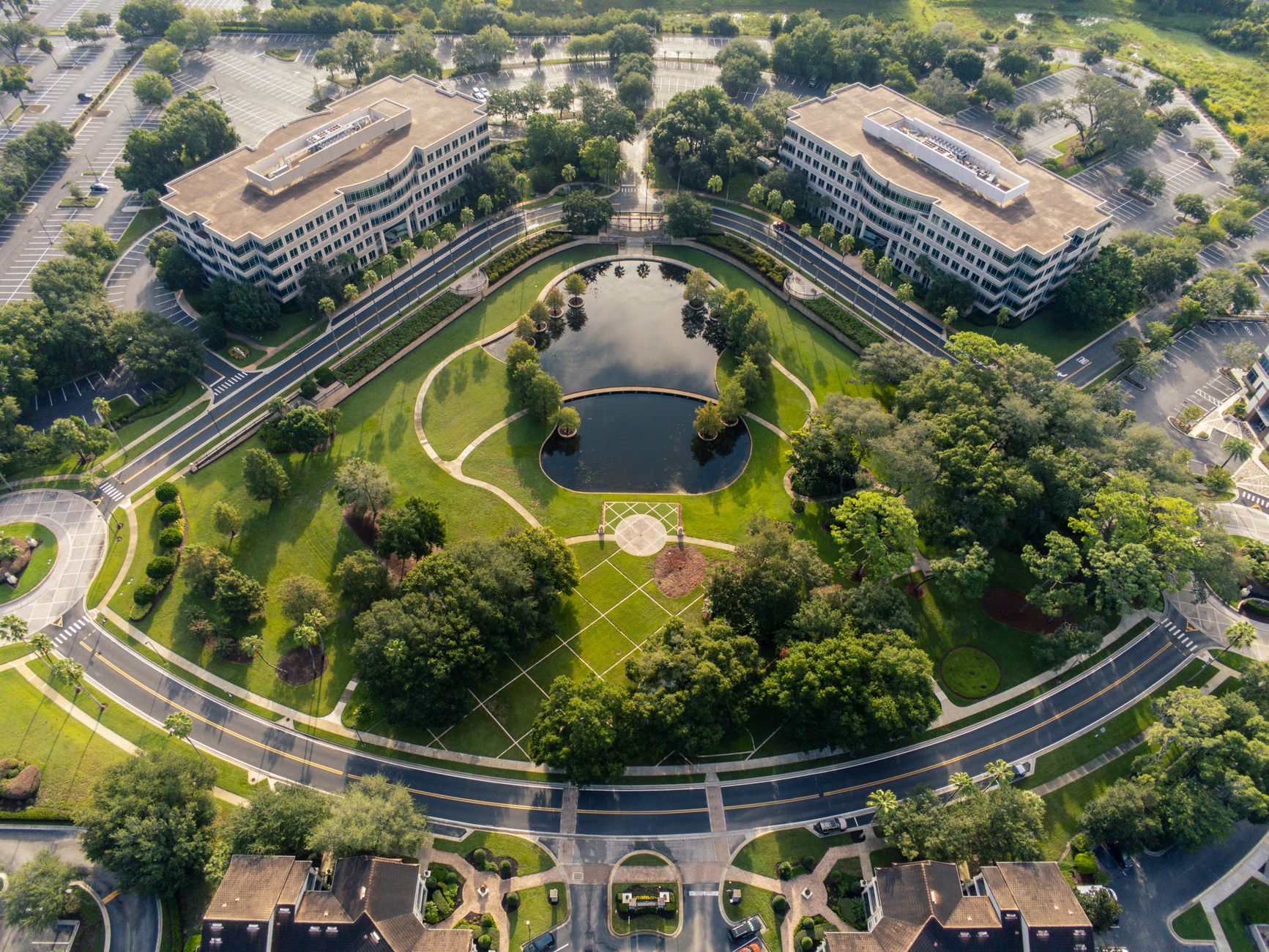
Winter Park, Florida, with its historic downtown, active retail corridors, and proximity to Orlando, presents commercial real estate investors with unique opportunities—and distinct expectations for business-purpose financing. When seeking Winter Park commercial real estate loans, prospective borrowers need to present more than just a basic property overview. Instead, a clear strategy that details acquisition costs, planned improvements, and a realistic exit plan is crucial to a successful loan review.
This guide explores how private lenders like AFI evaluate commercial investment property financing in Winter Park and Orange County. Whether you own, build, or reposition properties in locations like Maitland, College Park, or Altamonte Springs, understanding these lender expectations can help you move confidently through the approval process.
Commercial Property Situations AFI Can Review
AFI Private Lenders considers business-purpose loans for qualifying commercial properties in Winter Park and throughout Florida. Situations most suitable for review include the acquisition of retail storefronts near Park Avenue, mixed-use projects adjacent to Rollins College, or small office complexes serving health and professional services common to the area. Multifamily buildings, hospitality properties, and light industrial assets may also be eligible if the intended use is strictly investment-related. Properties that have a clear business purpose and can show local market demand—including those neighboring Orlando or Maitland—usually attract the most lender interest.
Acquisition, Refinance, Bridge and Repositioning Scenarios
Winter Park investment property loans can address a variety of needs beyond simple purchase money. Bridge financing is frequently sought for properties being repositioned or awaiting stabilization—like a College Park office building whose owner plans to upgrade tenant spaces before securing long-term leases. Refinance requests may be considered when an existing debt matures or when capital is needed for improvements. Especially relevant to Winter Park's ongoing development trends, AFI also reviews scenarios where the investor's business plan involves acquiring vacant or underperforming assets and renovating them to command higher rents or resale prices. In all cases, a lender will look for a documented acquisition basis and a realistic timeline for the proposed repositioning or exit.
Collateral Quality, Occupancy and Property Condition
Reviewing the merits of a property begins with an assessment of its physical condition and local market position. In established neighborhoods such as Baldwin Park or Altamonte Springs, collateral quality reflects not only the state of the building but its potential for cash flow and appreciation based on area dynamics. A well-maintained, partially occupied retail building on Winter Park’s north side may be viewed differently than a vacant, older structure slated for adaptive reuse. Condition reports, occupancy statements, and planned capital improvements help Winter Park private lenders form a picture of both current value and future potential. Properties needing significant repairs or upgrades should be accompanied by a detailed improvement plan and budget.
Tenant, Lease and Business-Plan Information
For commercial loan decisions, tenant quality and lease terms are as important as location. Local lenders in Winter Park scrutinize established rents, lease durations, and anchor tenants—a property on Edgewater Drive leased to a franchise restaurant faces a different risk profile than a startup concept with month-to-month occupants. Detailed rent rolls and copies of existing leases support the review process. For properties that are vacant, a credible lease-up plan, market comparables, and a summary of intended tenant improvements may strengthen the application. In all cases, AFI will look for a written business plan demonstrating an understanding of the property’s competitive landscape and operational strategy in the context of Orange County real estate investor financing needs.
Leverage, Capital Improvements and Borrower Equity
Determining acceptable leverage—relative to the combined acquisition, existing debt, and improvement costs—is central to how private lenders structure Winter Park commercial real estate loans. Investors must show not only their total capital requirement but evidence of cash equity committed to the project. Capital improvement budgets are reviewed to ensure funds are sufficient for the proposed scope, whether for cosmetic upgrades in Maitland or major system renovations in Altamonte Springs. Leverage, rather than strict LTV or LTC metrics, shapes how much a lender may provide, especially when planned improvements are a key part of the value creation story. Accurate breakdowns of costs, sources, and uses support a credible funding request.
Exit Strategy and Loan-Duration Planning
No investment property loan in Winter Park is reviewed in isolation from its exit plan. Whether the borrower intends to lease-up to stabilize cash flow, refinance with a traditional lender, or sell after improvements, the chosen exit must align with market realities. AFI expects exit strategies to be explained and supported by local comparables, projected timeframes, and anticipated net proceeds. For example, an investor redeveloping a retail property near downtown Winter Park should have an outline for securing new tenants, estimating completion timelines, and benchmarking expected sales prices or refinance amounts. Realistic exit planning helps both lender and borrower avoid surprises mid-project.
What to Send for a Commercial Financing Review
The loan review process is streamlined when prospective borrowers provide a comprehensive package upfront. This typically includes a property summary, acquisition and improvement budget, recent photos, maps, rent rolls or lease copies, a business plan, and an outline of the exit strategy. Details on local permits (if already in place), construction scopes, and proof of borrower equity further support a thorough review. Traditional credit scoring is not heavily relied on for qualifying fix-and-flip loans, but sponsors should still be prepared to share basic background and track record information. Being organized from the start helps private lenders respond quickly and accurately to Winter Park investment property loans requests.
When Bank or Longer-Term Financing May Be Preferable
Private lender solutions excel in situations requiring speed or creative structuring—such as short-term bridge loans or complex repositioning plays. That said, some scenarios benefit from the lower cost and longer repayment terms that banks and credit unions offer, especially once a property is stabilized and producing predictable cash flow. For stabilized office parks in Maitland or fully leased retail in Altamonte Springs, conventional financing may deliver better terms despite stricter qualifying criteria. Investors should weigh the advantages of private funding for acquisition or improvement phases against the benefits of transitioning to bank financing as part of a comprehensive financing strategy for their Winter Park and Orange County assets.
Real Estate Investor Financing FAQs
What types of commercial properties in Winter Park are eligible for private lender financing?
AFI can review loans for business-purpose investment properties, including retail, office, mixed-use, multifamily, and light industrial properties in Winter Park and nearby Orange County areas.
How should I document acquisition and improvement costs for my loan request?
Provide a detailed summary of your acquisition basis, a line-item budget for proposed improvements, and backup such as bids, scopes of work, or historical expenses.
Can Winter Park commercial real estate loans fund both purchase and renovations?
Yes, financing packages can often include funds for both the property acquisition and planned capital improvements, subject to review of the business plan and leverage considerations.
Is my credit score a major factor for loan approval?
For many fix-and-flip or transitional commercial projects, AFI does not rely heavily on traditional credit scoring, though general background and sponsor experience are reviewed.
What information helps my commercial loan application stand out?
A thorough package with a property summary, photos, detailed business plan, lease data, improvement budget, ownership structure, and exit strategy supports a faster, more complete review.
How important is having an exit strategy for my Winter Park investment property loan?
A clearly explained and realistic exit (sale, refinance, or lease-up) is critical for private lenders when underwriting investment property loans in Winter Park.
When might bank financing be a better fit than private lending?
Once a property is stabilized or an investor qualifies for traditional underwriting, banks often offer lower rates and longer-term structures than private lenders.
Have a Winter Park investment property to finance?
Send the property address, requested loan amount, property type and investment plan for an initial review.