Explore how Orlando fix and flip loans are evaluated, what distinguishes local investment projects, and the steps real estate investors can take to qualify and succeed.
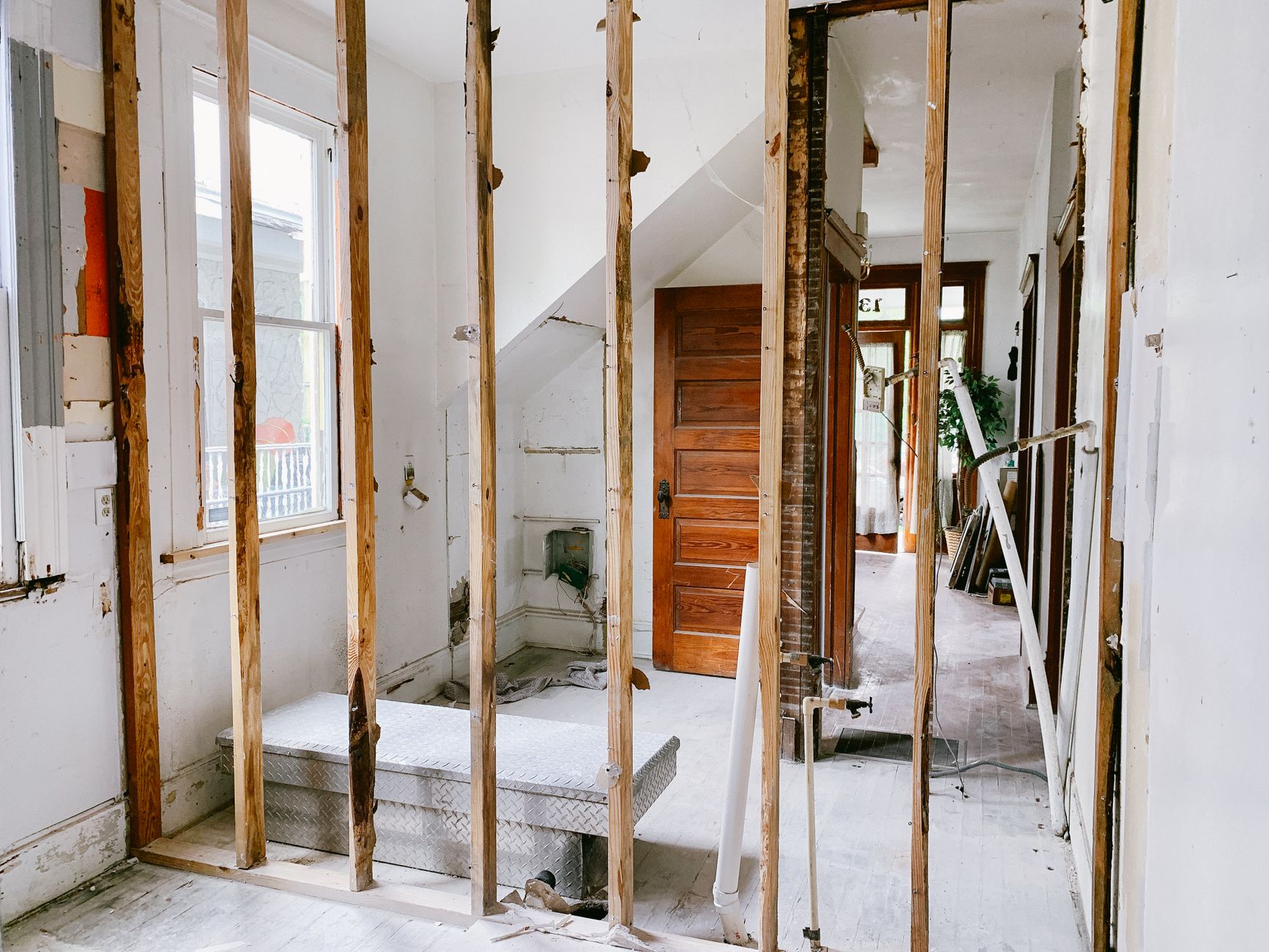
Orlando’s property market attracts a blend of new investors, renovation specialists, and seasoned builders seeking to revitalize homes and small commercial assets. Whether looking to acquire a bungalow near Lake Eola or reposition a newer build in the growth corridors of Horizon West or Winter Garden, access to the right financing is essential.
This guide for Orlando fix and flip loans explains how AFI Private Lenders evaluates local requests, what sets investment property underwriting apart in Central Florida, and how to prepare your next urban, suburban, or infill project for review.
How Orlando Fix and Flip Loans Are Evaluated
Orlando fix and flip loans are reviewed differently from primary home loans. AFI Private Lenders focuses on the property’s renovation potential, its market fit in places like Winter Park or Maitland, and the overall plan for the project. Underwriting includes assessing location-specific demand, the property type, and a practical approach to renovation. While all loans remain subject to AFI’s underwriting, investors in Orange County must be ready to discuss how their project meets local buyer or renter preferences, especially in high-demand areas or infill neighborhoods.
Purchase Price, Current Condition, and Renovation Scope
In neighborhoods as diverse as downtown Orlando, Ocoee, or Windermere, the success of a fix-and-flip often comes down to the purchase price relative to market value and the project's actual renovation needs. Underwriters look carefully at what you’re paying, the present state of the home or building, and whether your renovation plan (from kitchen updates to roof replacements) is appropriate for the neighborhood and current buyer expectations. Investors should be ready to document both the scope and rationale for their budget and selected improvements, especially if targeting newer suburban homes or urban properties with unique histories.
Why the Property and Project Can Matter More Than Traditional Credit Scoring
Unlike many banks, AFI Private Lenders does not rely heavily on traditional credit scoring for Orlando fix and flip loans. Instead, they emphasize the fundamentals: property characteristics, location, proposed renovations, the investor’s track record, and a realistic exit strategy. This focus on the underlying project—whether it’s a first-time flip in Apopka or a repeat project in Winter Park—makes it possible for experienced investors and those with strong business plans to qualify even if their credit profile is atypical. However, all requests remain subject to comprehensive underwriting.
Rehab Budget, Contractor Planning, and Construction Draws
A transparent and realistic rehab budget is central to project success. Lenders review not only total estimated costs but also whether materials, labor, and timeframes line up with the property’s needs and local realities in places like Windermere or Maitland. AFI aims to keep construction draws straightforward for qualifying projects: draw requests can be submitted in practical stages, with funds released upon verified completion and inspections as laid out in the loan documents. Thoughtful contractor planning—whether using a single general contractor or a combination of subs—can help avoid bottlenecks and cost overruns common in the Central Florida market.
Borrower Liquidity, Contingency, and Carrying Costs
Even with strong leverage options, successful investors demonstrate sufficient liquidity to support their project. This includes having reserves to cover potential surprises—such as higher-than-expected permit costs or holding expenses in Orlando’s more competitive neighborhoods. Carrying costs, such as property taxes, insurance, and utilities, should be factored into your plan from the outset. Lenders will look for evidence that your budget accounts for realistic contingencies and that you have the liquidity to complete the project—even if timelines shift or unexpected repairs are required.
Exit Strategy: Resale, Refinance or Rental Conversion
Your exit strategy is a fundamental part of any fix and flip loan application. Underwriters consider whether your plan—such as reselling in a high-turnover area like MetroWest, refinancing for shorter-term rental purposes, or converting to a long-term investment property—makes sense based on local demand and your experience. In Orlando’s rapidly evolving neighborhoods, it’s critical to support your exit strategy with market data (such as comparables or lease rate research) and a timeline that fits expected market cycles. A credible backup plan is also viewed favorably, especially when working in suburban locations like Winter Garden or infill corridors where demand can shift.
What to Send AFI for an Initial Review
To begin the review process for Orlando investment property loans, prepare a concise project summary including the address, purchase contract, renovation scope, rehab budget, and your estimated exit value. Include photos or a video walkthrough if possible, and outline your experience with similar properties in Orlando or nearby communities. Providing a vetted contractor plan, evidence of available funds for closing and rehab, and a clear timeline can help AFI’s team evaluate your submission efficiently. Every loan remains subject to AFI’s comprehensive underwriting standards.
When Another Financing Option May Be a Better Fit
While AFI Private Lenders supports a range of Orlando fix and flip scenarios, there are situations where a different financing structure may make more sense. Projects with heavy ground-up construction in unproven markets, flips needing extensive environmental or structural remediation, or buyers needing full leverage with limited reserves may benefit from partnering with other lenders or equity sources. Likewise, owner-occupant projects and those requiring long-term, low-rate financing for stabilized rentals might be better served by conventional bank or agency loans. Evaluating all options can clarify the right strategy—especially in Orlando’s competitive, opportunity-rich neighborhoods.
Real Estate Investor Financing FAQs
What types of properties qualify for Orlando fix and flip loans?
Typically, investment properties—such as single-family homes, condos, or multi-units—considered for renovation and resale in urban, suburban, or infill Orlando locations.
Is a high credit score required to get approved?
AFI Private Lenders does not rely heavily on traditional credit scoring; the property, borrower’s experience, project plan, and exit strategy are central underwriting factors.
Can first-time investors qualify?
Experience is valued, but strong project planning, realistic budgets, and a solid exit strategy are important factors. All loans remain subject to underwriting.
How are renovation funds released?
AFI typically issues construction draws as work is completed and verified through inspections, in accordance with the loan documents and underwriting requirements.
What documents should I provide for an initial loan review?
Send a project summary, purchase contract, rehab budget, property photos, contractor plan, and proof of funds. Local experience and an exit plan add strength.
What areas besides Orlando are eligible for fix and flip loans?
AFI reviews investment property loans throughout Orlando and other Orange County communities, including Winter Park, Maitland, Winter Garden, Apopka, Ocoee, and Windermere.
Have a Orlando investment property to finance?
Send the property address, requested loan amount, property type and investment plan for an initial review.