Learn how Kissimmee investors can qualify for new construction loans. Explore key considerations for land, project team, budget, draws, and exit strategies.
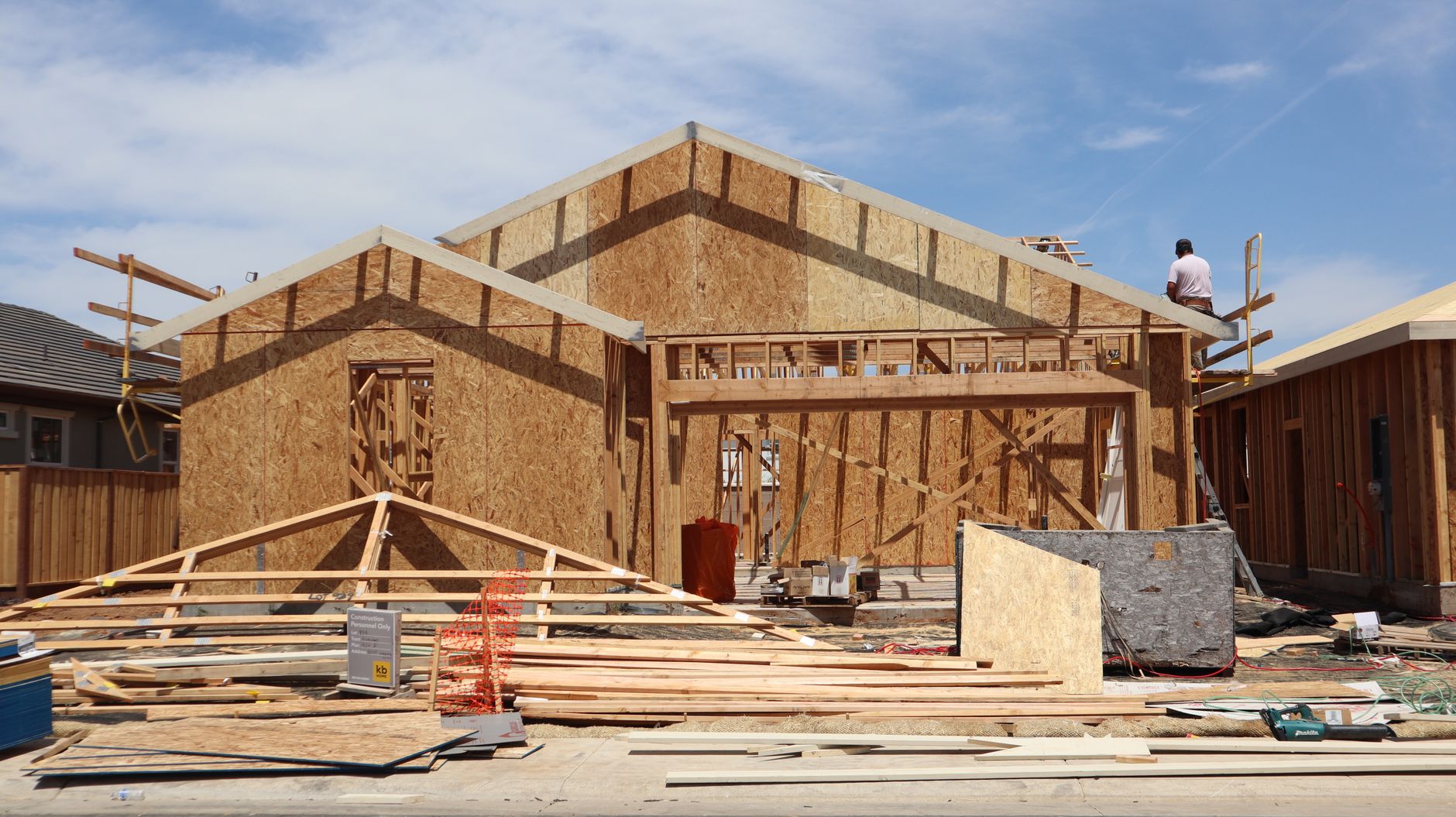
Kissimmee and Osceola County are seeing continued growth fueled by tourism, population expansion, and demand for new housing and commercial space. For investors considering ground-up builds, securing the right new construction financing is a critical early decision—especially compared to renovations or acquisitions.
This guide to Kissimmee new construction loans helps investors, builders, and property owners understand how lenders like AFI Private Lenders evaluate projects for business-purpose financing. Whether your plans involve single-family rental portfolios in Poinciana, mixed-use ground-up projects in St. Cloud, or purpose-built vacation rentals near Celebration, structuring a financeable loan request starts with separating property use, renovation scope, and clear exit planning.
What Makes a Ground-Up Construction Request Financeable?
For new construction loans, especially in Kissimmee and surrounding Osceola County communities, lenders focus on the project's overall strength and business plan. Unlike simple remodels, ground-up builds require investors to present clear information on the property type, intended use—such as rental, resale, or commercial—and specific renovation or construction scope. The difference between building a single vacation rental home and a multi-unit townhome development influences all aspects of underwriting, from budgeting to contractor review. Investors should be prepared to clearly explain the business intent and why their project stands out in the local market.
Land, Plans, Permits and Project Readiness
One essential step for Kissimmee new construction loans is demonstrating site control and a well-developed set of plans. Lenders want to see that the investor either owns the land or has a contract in place, understands local development requirements, and can provide architectural drawings, site plans, and a path to permits. Even though each Osceola County municipality—like Celebration or Poinciana—will have its own permit timelines and requirements, all projects benefit from early coordination with design and zoning consultants. A financeable loan request will also show a realistic timeline from permitting to completion, not just an optimistic target date.
Builder, General Contractor and Project-Team Considerations
For investment property construction projects in Kissimmee, AFI Private Lenders will consider the experience and track record of the general contractor and project manager. While AFI is open to reviewing requests from first-time builders, approval depends on the overall project strength, business plan, and supporting team. Investors without prior ground-up experience can improve their chances by working with local, licensed builders or subcontractors who can demonstrate successful delivery of similar projects in Central Florida. Detailed bios, references, and relevant project lists are effective supporting documentation in the approval process.
Budget Detail, Contingency and Borrower Liquidity
Thorough budgeting is a hallmark of strong Kissimmee investment property loans. Investors should provide itemized budgets that separate hard costs (materials and labor for construction) from soft costs (architectural, engineering, and permits). AFI and other private lenders will expect a sensible contingency to cover unforeseen conditions and change orders, especially given potential supply chain or weather delays common in Central Florida. Additionally, borrower liquidity—a demonstration of available funds for closing, pre-development, and draw shortfalls—will be analyzed. Well-capitalized projects with transparent funding sources make for smoother underwriting.
How Construction Draws Work After Closing
After a Kissimmee new construction loan closes, funds are generally released in stages, known as draws, as work is completed and verified. AFI Private Lenders aims to keep draw requests straightforward and based on the agreed budget, with periodic inspections arranged to confirm progress. Proper documentation—such as updated budgets, photos, and contractor invoices—supports faster disbursement of funds for work-in-place. Timely communication and a transparent draw process benefit both the investor and lender, keeping the project on track.
Schedule Risk, Cost Overruns and Change Orders
Risk management is crucial with any ground-up construction in Osceola County. Weather events, permitting delays, and material shortages can impact timelines and costs. Investors should build realistic schedules and cost contingencies into their proposals. Lenders typically require notification and documentation for significant change orders or if the budget rises above initial projections. Acute awareness of potential overruns—and a proactive plan for covering them—helps reinforce lender confidence in both the borrower and the project’s viability.
Sale, Refinance and Rental-Stabilization Exits
Every investment property project must ultimately transition out of construction financing, so a credible exit strategy is a cornerstone of loan approval for Kissimmee private lenders. For some, that means a sale upon completion; for others, it could involve refinancing into long-term rental financing as units are leased up and stabilized. Investors developing properties in nearby St. Cloud or Poinciana may also seek government-backed permanent loans or sell to other investors. Clearly defining the exit—in timing, method, and attainable milestones—improves a project's financeability and helps prevent costly delays post-construction.
A Construction-Loan Submission Checklist
- Land Control: Deed, contract, or evidence of site control
- Plans & Permits: Architectural plans, site plans, status of permits, and zoning information
- Budget: Detailed construction and soft-cost budgets with contingencies
- Team: Bios and qualifications of builder, GC, and key subcontractors
- Timeline: Project schedule from planned start to completion
- Funding: Evidence of borrower liquidity and sources for equity and reserves
- Exit Plan: Detailed resale, refinance, or rental stabilization plan
Submitting a package with these elements makes the difference in evaluating requests for Kissimmee investment property loans. Each component should be tailored to local conditions, with a clear business case supporting project viability.
Real Estate Investor Financing FAQs
Can first-time builders qualify for Kissimmee new construction loans?
AFI Private Lenders may review new construction requests from first-time builders, but approval depends on project strength, plans, team, and financial readiness.
How are construction draws typically handled?
Draws are disbursed in stages after inspections confirm completed work. AFI aims to keep the process practical, relying on agreed budgets and project documentation.
What property types are eligible for investor construction loans?
Eligible properties typically include residential rentals, fix-and-rent projects, and commercial investment builds in Kissimmee and Osceola County.
What exit strategies are most common for Kissimmee investors?
Exits often include sale to an end user or investor, refinance into long-term rental financing, or lease-up and stabilization, especially in growing submarkets.
What risks should Kissimmee investors plan for in new construction?
Investors should prepare for cost overruns, weather delays, permitting challenges, and market timing risks. Building contingency into budgets and schedules is key.
Does credit score heavily impact loan approval?
Traditional credit scoring is not heavily relied upon for qualifying business-purpose construction loans, but strong project and borrower credentials remain important.
Are new construction loans available in nearby communities?
Yes, AFI considers qualifying new construction requests in Osceola County communities such as St. Cloud, Celebration, Poinciana, and greater Central Florida.
Have a Kissimmee investment property to finance?
Send the property address, requested loan amount, property type and investment plan for an initial review.