Explore how Kissimmee fix and flip loans are evaluated for investment properties in Osceola County. Learn about property use, renovation scope, and exit strategies.
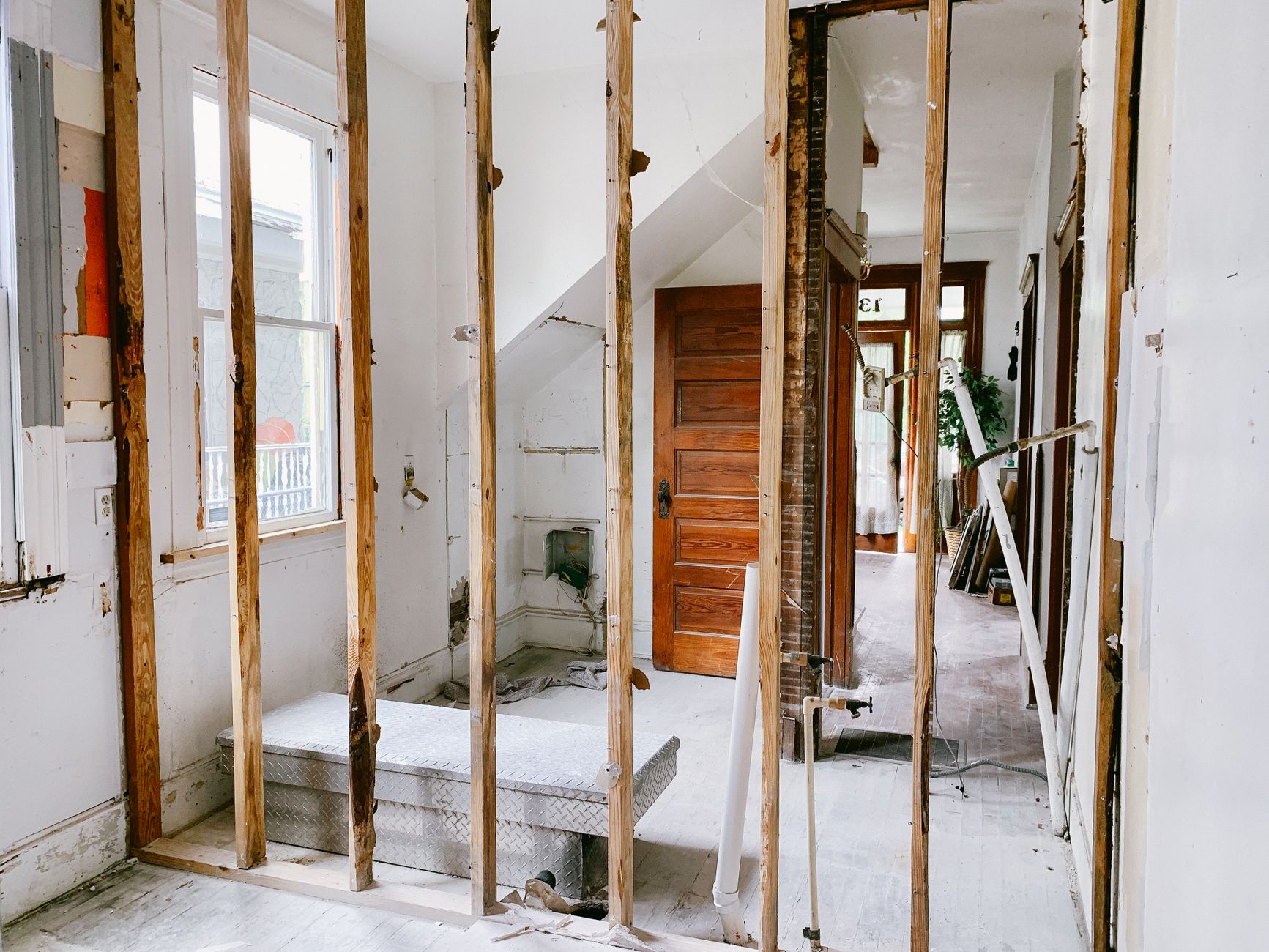
Kissimmee’s fast-growing real estate market attracts investors with diverse property opportunities—from downtown bungalows ready for revival to promising townhomes in St. Cloud or Celebration. Yet, securing the right fix and flip financing means more than just numbers on a balance sheet.
Whether you are repositioning a single-family home near Old Town or rehabbing a multi-unit on the edge of Poinciana, experienced investors know that project viability, renovation scope, and planned exit strategy each play a distinct role in qualification. Here’s how AFI Private Lenders approaches Kissimmee fix and flip loans with a local investor’s lens.
How fix-and-flip financing is evaluated in Kissimmee
Kissimmee fix and flip loans are evaluated first and foremost on the merits of the property and the business plan behind each transaction. Instead of a one-size-fits-all credit model, AFI Private Lenders examines each project individually. Evaluations account for the property’s current condition, the investor’s defined renovation scope, realistic after-repair value (ARV), and a clear exit strategy—whether through resale, rental, or another disposition unique to Osceola County’s active investment market.
This approach gives investors flexibility if they can demonstrate both a practical renovation plan and a sound investment rationale.
Purchase price, current condition, and renovation scope
The purchase price and current physical condition of the property play a pivotal role. For homes in established Kissimmee neighborhoods or growth corridors like Poinciana, understanding whether a project is a cosmetic update or a full-scale rehab will impact how a lender evaluates the risk and the necessary leverage. AFI asks for a detailed scope of work, ensuring that planned improvements align with local market expectations and property restrictions unique to Osceola County neighborhoods.
Why the property and project can matter more than traditional credit scoring
Unlike some national lenders, AFI Private Lenders does not base qualifying fix and flip loans in Kissimmee, Florida, solely on traditional credit scoring. Instead, the property's potential, investor experience, and project plan take center stage. While basic credit checks and borrower background are part of underwriting, it’s the project’s specifics—like a practical renovation budget, a believable timeline, and local comparable home values—that get the closest scrutiny. This can benefit experienced builders and landlords, but every project is evaluated individually.
Rehab budget, contractor planning, and construction draws
An investor’s detailed rehab budget directly impacts loan structuring. AFI prefers to see clear estimates and a line-item budget for labor and materials—whether you’re upgrading a vintage bungalow near downtown or expanding a duplex in St. Cloud. Reliable contractor planning and supporting documents (such as bids or scopes of work) help make the construction draw process straightforward. Eligible draws will require inspections and must fit within the lender-approved budget, as outlined in the loan documentation for each Kissimmee investment property.
Borrower liquidity, contingency, and carrying costs
In Kissimmee and greater Osceola County, successful fix and flip projects often depend on having reserves for unexpected expenses. Lenders like AFI want to confirm that investors have enough cash-on-hand not only to cover down payments and closing costs, but also to absorb carrying costs (such as insurance, taxes, and utilities) and unplanned overruns. Demonstrating liquidity and a realistic contingency plan is especially important for renovations dealing with older property infrastructure or unanticipated code updates.
Exit strategy: resale, refinance, or rental conversion
Osceola County’s diverse housing stock offers multiple exit strategies for real estate investors. Whether your Kissimmee fix and flip loan will be repaid by selling the renovated property on the open market, refinancing into a long-term rental loan, or holding for a 1031 exchange, AFI evaluates how realistic and supported that exit plan is. For instance, a plan to refinance into a permanent rental loan must be supported by market lease comps and realistic rental rates for the neighborhood—be it Celebration, St. Cloud, or a Kissimmee subdivision. Clear documentation of the intended exit route helps underwriters gauge overall risk.
What to send AFI for an initial review
For a smooth initial review of Kissimmee investment property loans, investors should submit documents that clearly outline:
- Purchase contract and address
- Detailed scope of work and rehab budget
- List of contractors, if available
- Recent photos of the property
- Borrower experience summary (if applicable)
- Planned exit strategy with supporting data
AFI will use this information to assess both the real estate securing the loan and the viability of the overall business plan. Strong submissions often receive faster responses and more tailored feedback.
When another financing option may be a better fit
While Kissimmee fix and flip loans are well-suited for business-purpose investors and builders with a clear renovation and exit plan, this type of financing may not be right for every project. If the property is intended for primary residence, requires extensive environmental remediation, or the scope is beyond the investor’s experience level, alternate structures or lenders may be more appropriate. Additionally, investors targeting long-term hold strategies from the start—such as new construction for rental portfolios in nearby Orlando or Poinciana—might benefit from loan programs tailored to stabilized income-producing properties.
Real Estate Investor Financing FAQs
What types of Kissimmee properties qualify for fix and flip loans?
Eligible properties are typically investment-focused single-family homes, townhomes, small multifamily, or mixed-use assets intended for renovation and resale or portfolio use.
How important is my credit score when applying for a Kissimmee fix and flip loan?
Traditional credit scoring is not heavily emphasized. The property, project details, and your exit strategy are primary qualifying factors.
What documents help accelerate the AFI review process?
A purchase contract, clear renovation budget, detailed scope of work, property photos, and a documented exit plan are most helpful for an efficient initial review.
Can I use AFI fix and flip funding for properties in St. Cloud or Celebration?
Yes, AFI considers fix and flip loans for qualifying investment properties throughout Kissimmee, Osceola County, and neighboring communities.
How do construction draws work with AFI Private Lenders?
Draws are practical and straightforward for qualifying projects, subject to the loan documents, inspections, and underwriting requirements.
Is there a minimum experience requirement for investors?
AFI evaluates borrower experience and project fit, but does not guarantee approval for first-time builders or investors without proven capability.
What if I want to convert my project into a long-term rental?
Plan ahead and show the intended rental exit in your strategy. AFI will consider your plan, especially if you can provide realistic rent comps and a clear refinancing approach.
Have a Kissimmee investment property to finance?
Send the property address, requested loan amount, property type and investment plan for an initial review.