Explore how Clermont new construction loans are evaluated for investment projects and learn practical steps for securing private lender financing in Lake County.
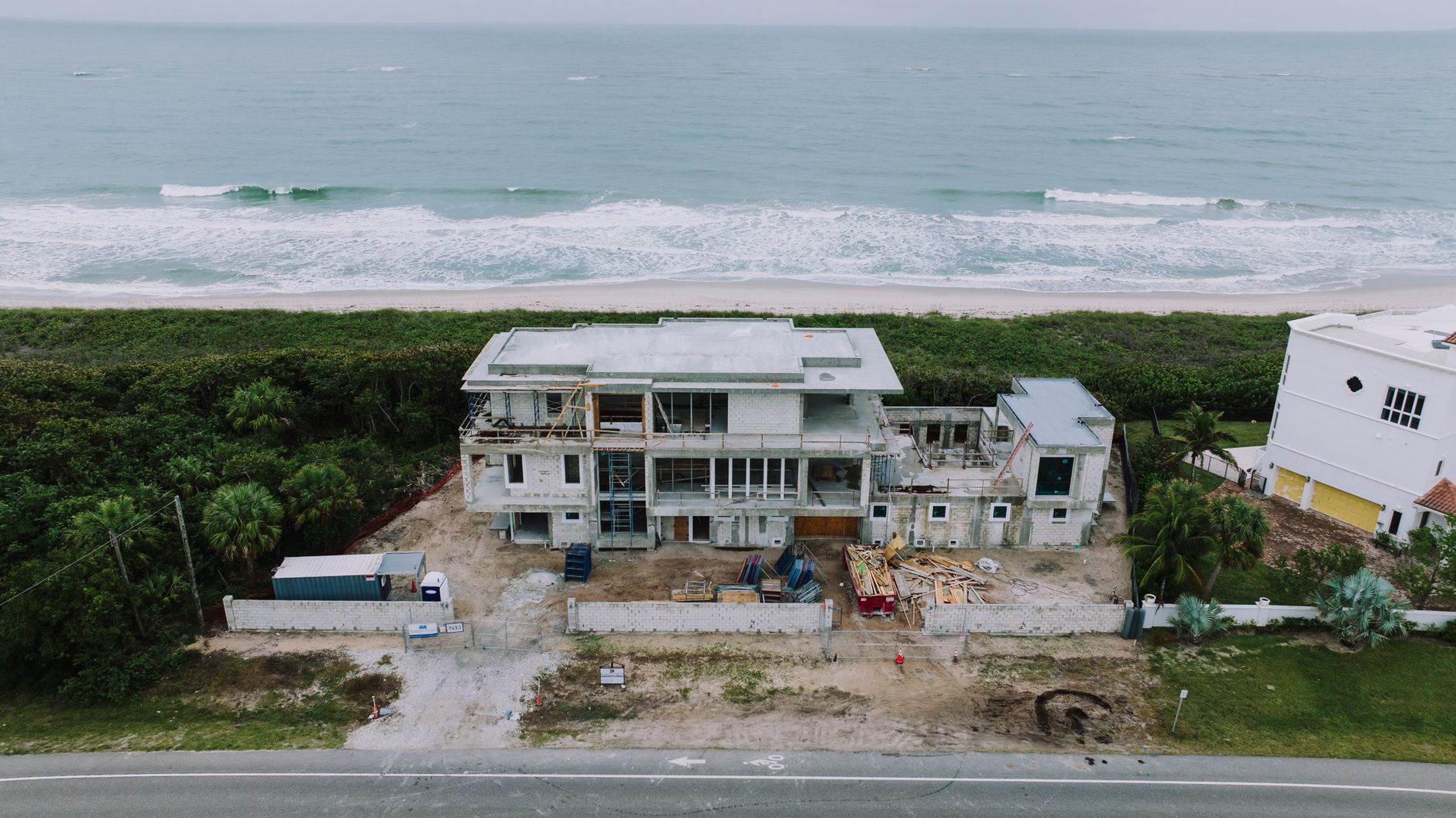
Clermont and the surrounding Lake County region are experiencing a wave of growth, attracting investors, builders, and property owners looking to capitalize on new development opportunities. Whether you’re planning a build-to-rent community in Minneola or constructing single-family homes on entitled land in Groveland, understanding how Clermont new construction loans are evaluated is essential for a successful project launch and completion.
This guide walks investors through the practical factors private lenders like AFI consider when reviewing ground-up construction requests in Clermont, with a strong focus on budget integrity, project readiness, and realistic exit strategies. If you’re seeking business-purpose real estate financing in Central Florida, these insights will help you position your project for optimal funding potential.
What Makes a Ground-Up Construction Request Financeable?
Not all projects are ready for private lender financing, particularly in dynamic development areas like Clermont. Lenders look for investment properties or build-to-rent projects where the risk-adjusted outcomes justify the commitment of funds. A financeable new construction request demonstrates realistic profit potential, clear exit thinking, and a development plan suited to Lake County’s evolving commercial and residential landscape. Key elements include a defined timeline, market-appropriate valuations, and a credible project scenario whether for build-to-sell, build-to-rent, or mixed-use investment.
Land, Plans, Permits and Project Readiness
Before a lender like AFI will underwrite Clermont new construction loans, the borrower’s land position and project readiness must be well-aligned. Investors should have control of the land—whether through ownership or contract. At minimum, conceptual plans should reflect the intended use and local design standards, with a clear path toward permitting in the City of Clermont, Minneola, or unincorporated Lake County. The more advanced your plans and permits, the more confidence a lender will have in project execution and funding the construction draws as work progresses.
Builder, General Contractor and Project-Team Considerations
A strong project team is a core factor when evaluating new construction loans Clermont Florida developers may need. Private lenders will review the backgrounds and experience of the builder and general contractor, focusing on their capability to manage similar projects in Central Florida. While AFI can consider first-time builders, those investors should be prepared to demonstrate the project’s broader support team—such as experienced subs or a consultant—especially in markets like Clermont or Winter Garden where demand is highly localized.
Budget Detail, Contingency and Borrower Liquidity
Project budgets must reflect realistic costs—both hard and soft—corresponding to the property type and project complexity. In Clermont’s fast-changing landscape, underestimated budgets can quickly put a build at risk. Lenders want to see a detailed line-item budget, an adequate contingency for unknowns, and proof that the sponsor has sufficient liquidity to address draws, overages, and interest reserves. This practical approach protects both investor and lender throughout the construction timeline. For major multi-phase projects in places like Groveland or Leesburg, this scrutiny becomes even more important.
How Construction Draws Work After Closing
After loan closing, construction funds are released in stages—called draws—based on completed work. AFI aims to keep draw requests straightforward and practical, subject to loan documents, inspections, and underwriting requirements. Investors in Clermont should anticipate providing documentation (such as contractor invoices and photos) and periodic site access for inspections. Efficient communication and draw preparation help move funds quickly so construction can stay on schedule, making this process critical for budget and timeline control.
Schedule Risk, Cost Overruns and Change Orders
Seasoned Clermont private lenders know that ground-up projects can encounter delays—weather, permitting, materials, and labor variability are common factors in Central Florida. Investors should build buffers into their project schedule and budget, with a plan for handling cost overruns and change orders. AFI will carefully assess provisions for addressing these contingencies, so borrowers with proactive risk management and transparent tracking will stand out during loan review. For substantial projects in growing areas like Minneola, allowing for timeline and cost unpredictability is vital.
Sale, Refinance and Rental-Stabilization Exits
Clear exit strategies are a non-negotiable part of any financeable construction loan submission. Whether the plan is to sell the finished property, complete a cash-out refinance, or stabilize a rental portfolio in the Clermont or Leesburg markets, the lender must see a well-documented endgame supported by comparable sales, credible rental forecasts, or strong tenant demand. Lake County real estate investor financing hinges on demonstrating a realistic path to repay or refinance the debt within the construction loan term.
A Construction-Loan Submission Checklist
- Land contract or deed showing control or ownership
- Project plans, specs, and intended use
- Budget and contingency breakdown
- Builder/general contractor profile and experience summary
- Permitting strategy and readiness update
- Borrower financials/statement of liquidity
- Exit strategy with market-supporting documentation
- Organized draw and inspection protocol (if known)
Thoughtful preparation of these essentials streamlines the Clermont investment property loans process. If your project’s profile changes or timelines shift, updating your lender—before issues arise—helps preserve momentum and increases the chance of successful funding and execution.
Real Estate Investor Financing FAQs
Can first-time builders qualify for new construction loans in Clermont?
First-time builders may be considered for financing if they demonstrate a strong project, credible support team, realistic budget, and exit plan. Approval is not guaranteed and depends on several factors.
Are construction draws complicated with private lenders like AFI?
AFI aims to keep construction draw requests straightforward and practical, guided by loan documents, inspections, and underwriting requirements.
How important is liquidity for new construction loan approval?
Sufficient borrower liquidity is crucial. Lenders look for a borrower’s ability to cover budget shortfalls, interest reserves, or unforeseen costs during construction.
What kind of properties are eligible for Clermont new construction loans?
Business-purpose investment properties (such as build-to-rent, build-to-sell, or commercial-use projects) in Clermont and adjacent Lake County communities may be eligible for financing, subject to underwriting.
How do lenders assess project readiness in Clermont?
Project readiness is gauged by land control, planning progress, permit status, builder experience, and the completeness of budget and exit documentation.
Does AFI require traditional credit scoring for construction loans?
Traditional credit scoring is not relied on heavily for qualifying fix-and-flip loans, but a borrower’s overall financial profile and experience are considered for new construction loans.
What exit strategies are acceptable for construction loans in Lake County?
Acceptable exits include sale of the completed property, cash-out refinance, or stabilizing a rental portfolio—provided the plan is documented and supported by market data.
Have a Clermont investment property to finance?
Send the property address, requested loan amount, property type and investment plan for an initial review.