Explore how Clermont hard money and bridge loans empower local real estate investors to capitalize on growth opportunities, with a clear focus on budget, project execution, and building a reliable exit plan.
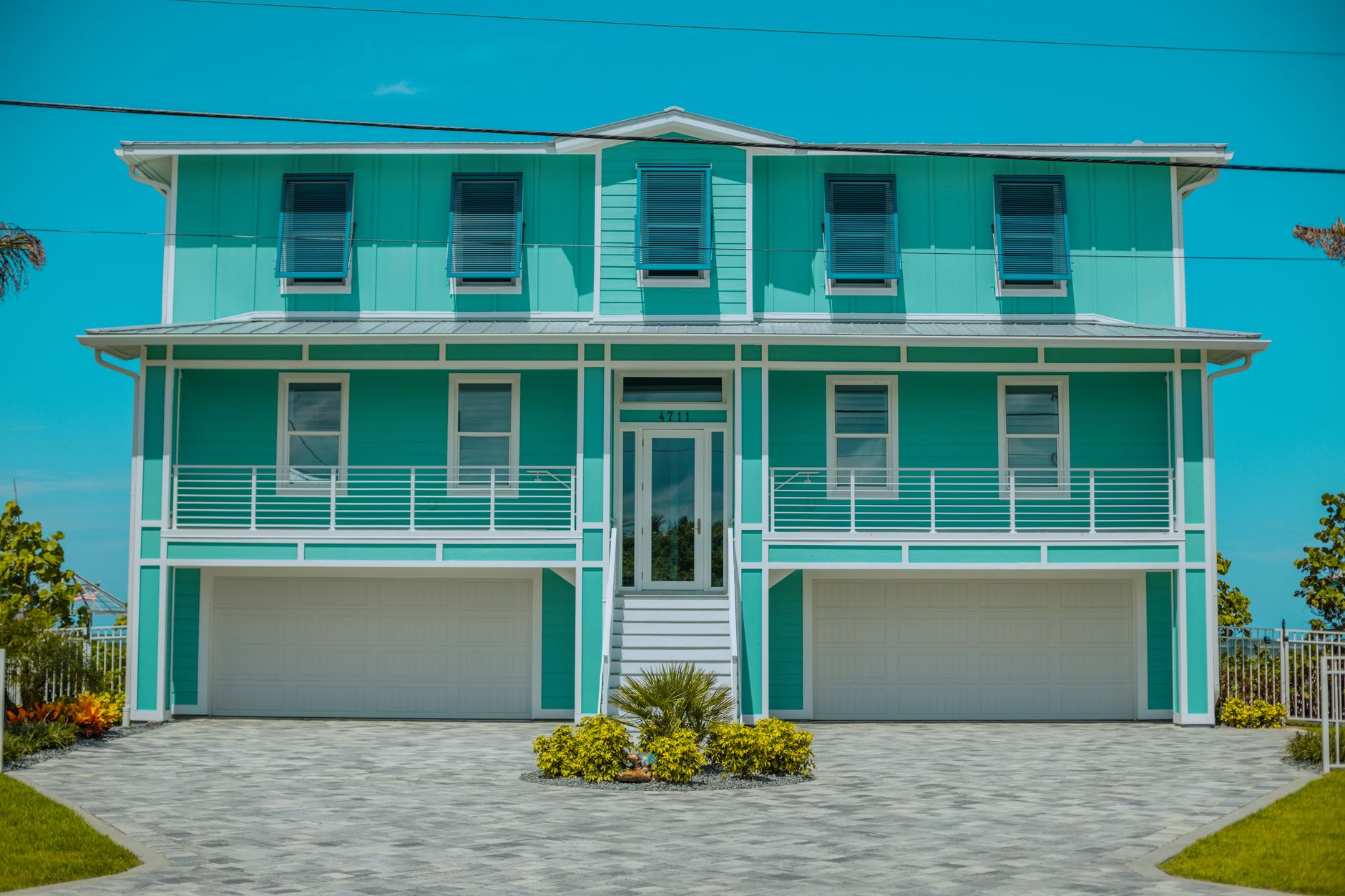
Clermont’s surging growth, especially in areas like Minneola and Groveland, has created a compelling landscape for real estate investors seeking to acquire, reposition, or redevelop properties. For those targeting investment projects in Lake County—be it residential flips, mixed-use repositions, or transitional commercial properties—securing the right financing can make all the difference.
This guide explains how Clermont hard money and bridge loans may fit into your project’s capital stack, how local investment requests are typically evaluated, and which factors set profitable deals apart when working with Clermont private lenders like AFI Private Lenders.
When Investors Use Short-Term Bridge Financing
In Clermont and surrounding Lake County, hard money and bridge loans are frequently used when investors encounter urgent acquisition deadlines, need to move quickly on distressed or value-add opportunities, or want to unlock equity during a property repositioning phase. Unlike permanent loans, bridge financing is specifically structured for temporary situations—bridging the gap between the current state and a more bankable, stabilized outcome. This is common for renovation projects, short-term holds, or quick turnaround sales in dynamic neighborhoods such as South Lake or rapidly redeveloping corridors near Minneola and Groveland.
Acquisition, Refinance and Transitional-Property Situations
Clermont hard money and bridge loans are well-suited for property acquisition, especially when conventional lenders hesitate due to property condition or tenancy uncertainties. Investors in Winter Garden or Leesburg, for example, may use a bridge loan to buy a property requiring improvements before leasing or resale. In other cases, an investor may refinance an existing loan to access funds for upgrades or to buy time during a lease-up phase. Transitional assets—properties not yet meeting standard lender underwriting—are ideal candidates for private lender bridge financing solutions.
Collateral, Leverage and Property-Condition Considerations
AFI Private Lenders evaluates bridge loan requests primarily on the strength of the real estate collateral, the level of leverage requested, and the current (and planned) property condition. A well-located asset in Clermont, even if underperforming, can be compelling if the investor’s business plan demonstrates a viable path to increased value. However, properties with extensive deferred maintenance or unclear construction timelines may require more conservatism in structuring. Investors should expect to document their renovation plans and explain how their improvements support a realistic exit or refinancing option.
How Timing Affects a Bridge-Loan Request
Execution speed often matters most when investors are securing properties at competitive prices or must meet 1031 exchange deadlines. Hard money and bridge loans in Clermont Florida can provide timely solutions when the window to lock in a deal is tight—such as bidding in multiple-offer situations or acquiring properties at trustee sales. However, investors must coordinate all closing elements—title work, inspections, contractor readiness—to avoid unnecessary delays that could put the project or transaction at risk.
Carrying Costs, Maturity Risk and Interest Expense
While Clermont private lenders offer an invaluable path to fast closings, it’s crucial to weigh the total carrying costs, including interest, points, and fees, against the projected project timeline. Bridge loans are designed for short holds, so maturity risk (the possibility a project outlasts the loan term) is a real concern—especially if construction delays or market shifts occur. Savvy investors in Lake County model several exit scenarios to ensure the financing supports their budget, timing, and ultimate returns. Consider how additional months of holding the loan could impact your profit margins and whether reserves or extensions may be prudent in your strategy.
Building a Realistic Payoff or Refinance Plan
For any hard money or bridge loan in Clermont, a credible exit plan is essential for both lenders and investors. Successful scenarios commonly involve a sale after rehab, a long-term refinance into a lower-rate permanent loan, or a lease-up followed by a cash-out refi. AFI Private Lenders will review your proposed exit—whether it’s a sale to an end user in rapidly growing neighborhoods or a refinance after achieving stabilized cash flow. Demonstrating market awareness, realistic pricing, and experience with similar projects will strengthen your case when applying for Clermont investment property loans.
What to Submit for an Initial Bridge Review
Organized documentation helps streamline the bridge loan review process. Investors seeking Clermont hard money and bridge loans should be prepared to provide a detailed property summary, purchase contract or payoff statement, scope of work (for renovations), budget, evidence of recent sales or leases in the area, and a summary of their relevant experience. While AFI does not rely heavily on traditional credit scoring for qualifying certain fix-and-flip loans, your professional track record, project analysis, and the property’s data will form the foundation of the underwriting decision.
When Conventional Financing May Fit Better
Not every investment project in Clermont or Lake County requires a bridge loan. If your property is stabilized, leased, and you have ample time before closing, a conventional or bank loan could offer lower overall costs and longer terms. Properties with straightforward business plans—or investors with strong bank relationships—may find that traditional financing aligns better with their needs. The key is to honestly assess your timeline, project complexity, and risk tolerance when choosing between hard money, bridge solutions, and conventional loans.
Real Estate Investor Financing FAQs
What types of properties can be financed with hard money and bridge loans in Clermont?
Business-purpose loans may cover residential investment properties, commercial assets, and mixed-use buildings, subject to lender review of collateral and project details.
Are these loans only for distressed or fix-and-flip projects?
No. Bridge loans can also be used for acquisitions, buyouts, time-sensitive refinances, or properties in lease-up or repositioning stages.
How important is the investor’s experience when applying for a bridge loan?
Experience is a significant factor. Lenders value a proven track record, though new investors with strong plans and local market knowledge may also be considered.
What’s the typical loan term for a hard money or bridge loan?
Loan terms are typically short, designed to carry the project through acquisition, rehab, or lease-up, before a sale or refinance. Actual terms depend on the property and transaction.
Can I use bridge financing for properties outside Clermont?
Yes, AFI Private Lenders considers qualifying business-purpose investment properties throughout Florida, including nearby Lake County communities.
Is traditional credit scoring a major part of bridge loan approval?
For certain fix-and-flip loans, traditional credit scores are not heavily relied upon; focus is placed on assets, leverage, and project viability.
What is required to get started on a bridge loan application?
Prepared applicants should have a property summary, contract or payoff info, project scope and budget, market comps, and a resume of relevant real estate experience.
Have a Clermont investment property to finance?
Send the property address, requested loan amount, property type and investment plan for an initial review.