Explore how Gainesville DSCR loans are evaluated by private lenders like AFI. Understand local considerations for rental property investment financing.
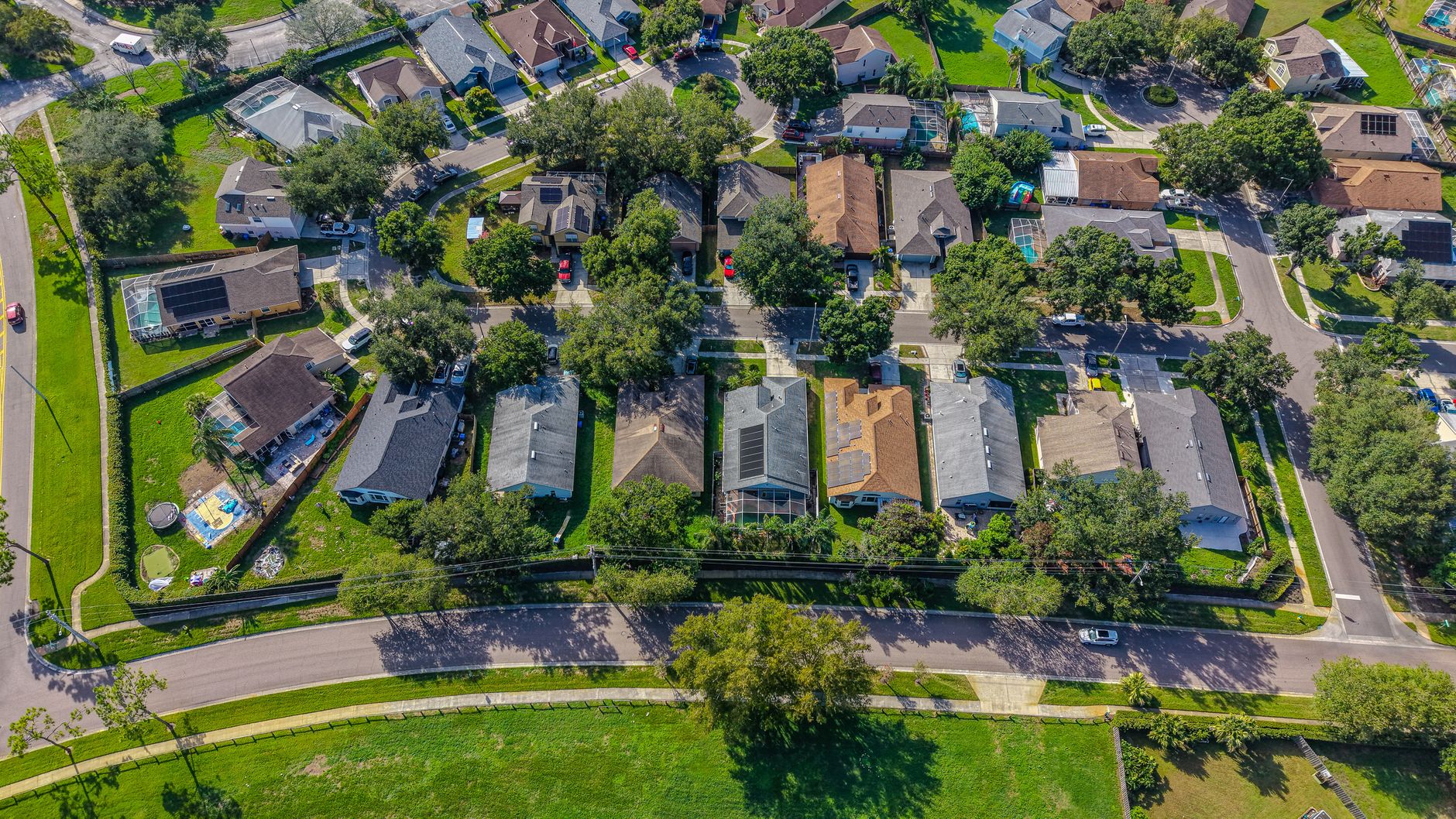
In Gainesville's evolving rental market, finding the right investment property loan starts with understanding how private lenders assess deal fundamentals. For many real estate investors in Gainesville or throughout Alachua County, DSCR loans open paths to leverage property income for financing—even when personal income documentation is complex or unavailable.
This guide to Gainesville DSCR loans highlights what local investors should know about qualifying for business-purpose rental property financing, with a focus on data-driven evaluation of rental demand and property condition in communities like Alachua, Newberry, Archer, and High Springs.
How DSCR Financing Looks at a Rental Property
DSCR financing stands for Debt Service Coverage Ratio loans, a structure that evaluates whether a property's rental income can support its own debt payments. Gainesville DSCR loans focus on the current or projected ability of an investment property to generate enough cash flow to cover monthly principal, interest, taxes, insurance, and, when relevant, HOA dues. Rather than traditional bank-style income checks, private lenders such as AFI prioritize in-depth analysis of the property itself—specifically looking for evidence of stable rental demand and realistic, market-driven income projections. For Alachua County investors, this means actual or achievable rents must be justified by comparable leases and rental market trends in Gainesville proper or nearby towns.
Rent, Lease Terms and Income Documentation
Successful DSCR loans in Gainesville, Florida require thorough documentation of rental income. That begins with existing lease agreements, rent rolls, and proof of tenant payments when available. For vacant or recently renovated properties, a lender may request letters of intent or broker opinions estimating market rent in neighborhoods like University Park or Duckpond. DSCR assessment considers not just the headline rent, but also the lease duration, escalations, and history of payment reliability. In Gainesville and surrounding areas, expect your lender to prefer real, in-place data or credible third-party market studies to support any assumed rents used in underwriting.
Taxes, Insurance, HOA Expenses and Debt Service
When reviewing DSCR loans, Gainesville private lenders will carefully scrutinize all regular property expenses. This includes property taxes—which can vary by municipality—hazard and liability insurance premiums, and any homeowner or condo association fees relevant to the asset type. All of these costs are crucial inputs in calculating the property's true net operating income. Debt service, or the expected loan payments, is then measured against this net figure to evaluate whether the property can reliably support the requested financing. Investors should provide documentation for insurance binders and recent tax bills, and should disclose any mandatory dues if the property is located in a managed community in places like Newberry or High Springs.
Vacancy, Repairs and Reserve Planning
In Gainesville's diverse neighborhoods, rental demand can vary block by block. That’s why DSCR loan underwriting factors in realistic vacancy rates and scheduled repair or maintenance expenses. A property with deferred repairs or a recent vacancy spike will need stronger documentation to justify its rental projections. Investors should expect lenders to discount income for assumed downtime or major repairs, especially for older properties or those needing immediate upgrades. Adequate reserves are also considered—funds set aside for future maintenance or extended vacancy—which can strengthen a DSCR loan submission and reassure a lender of the property's resilience through seasonal or economic cycles common in the North Central Florida region.
Acquisition Versus Refinance Scenarios
Whether an investor is purchasing a new property or refinancing an existing asset, Gainesville DSCR loans are structured around present and future cash flow potential. For acquisitions, projections will be heavily weighted on realistic, supportable rental assumptions based on area comps and careful property inspections. In refinancing requests, historical operating statements—along with rent rolls and expense documentation—become more important. Borrowers looking to pull cash out of stabilized properties in neighborhoods like Midtown or Woodland Park should be ready to show a strong payment history and clear evidence of sustainable rents, factoring in any recent rent increases or unexpected expenses.
Single-Property and Portfolio Considerations
Gainesville private lenders like AFI can evaluate DSCR loan requests both for individual assets and for portfolios spanning multiple addresses or nearby communities such as Archer and Alachua. For single-property requests, underwriting focuses on the local submarket demand, specific asset condition, and rental documentation. For portfolios, lenders assess overall cash flow diversity, risk spread, and whether underperforming properties are balanced by higher-yielding ones. Documentation requirements usually increase with portfolio size and complexity, as lenders work to ensure overall debt coverage meets prudent leverage guidelines. Investors pursuing portfolio growth in Alachua County should be prepared to present property-by-property income and expense summaries, along with consolidated operating statements where available.
What a Rental Investor Should Submit for Review
A robust loan submission is key for moving a DSCR loan request forward. Gainesville investors should prepare a comprehensive package including current rent rolls, signed leases, proof of collected rents, recent property tax and insurance bills, detail on any HOA dues, and a schedule of recent and upcoming repairs. For acquisitions, market rent analysis and local comparable leases are especially important. For refinances, historical income and expense statements help demonstrate property cash flow stability. When applicable, including supporting analyses about neighborhood demand or university-related rental trends—such as student housing around the UF campus—can add credibility to your case and streamline lender review.
When DSCR Financing May Not Be the Right Structure
While DSCR loans provide powerful options for Gainesville real estate investors, certain situations call for a different approach. Properties with highly seasonal or variable income—like vacation rentals, student housing with inconsistent tenancy, or projects with ongoing heavy renovations—may not fit standard DSCR underwriting. Similarly, investments targeting rapid appreciation, significant construction, or a value-add strategy where current income is minimal might benefit from bridge loans or other alternative funding solutions. AFI Private Lenders evaluates each scenario on its merits and may suggest other structures in Alachua County markets where future income is speculative or where the property is not stabilized. As always, investors considering DSCR loans should weigh both the advantages and the potential limitations relative to their portfolio goals.
Real Estate Investor Financing FAQs
What does DSCR mean for Gainesville real estate investors?
DSCR stands for Debt Service Coverage Ratio, a key measure showing whether a rental property’s income can fully cover its debt payments and required expenses.
Do I need existing tenants in place to qualify for a DSCR loan in Gainesville?
No, but your lender will require strong documentation to support any projected rental income, particularly for vacant or recently upgraded properties.
What documents do Gainesville private lenders require for DSCR loans?
Expect to provide current leases, rent rolls, proof of rent collection, recent tax and insurance bills, and data supporting any market rent projections.
Can DSCR loans be used for both single properties and portfolios?
Yes. Private lenders can underwrite individual properties or portfolios in Gainesville and nearby communities, but larger requests typically need additional documentation.
Is my credit score a major factor for Gainesville DSCR loan approval?
Traditional credit scoring is not heavily relied on, especially compared to property cash flow, but some assessment of creditworthiness is still likely during review.
How do vacancy and repairs affect DSCR loan approval?
High expected vacancy or deferred maintenance can lower projected income and may require stronger supporting documentation or additional reserve planning.
What alternatives exist if my rental property doesn't qualify for a DSCR loan?
Alternative structures like bridge loans or rehab financing may be more appropriate for properties that are vacant, need significant improvements, or have variable income.
Have a Gainesville investment property to finance?
Send the property address, requested loan amount, property type and investment plan for an initial review.