Explore how to qualify for multifamily investment property loans in Gainesville, with a focus on project condition, rent data, and rental demand analysis.
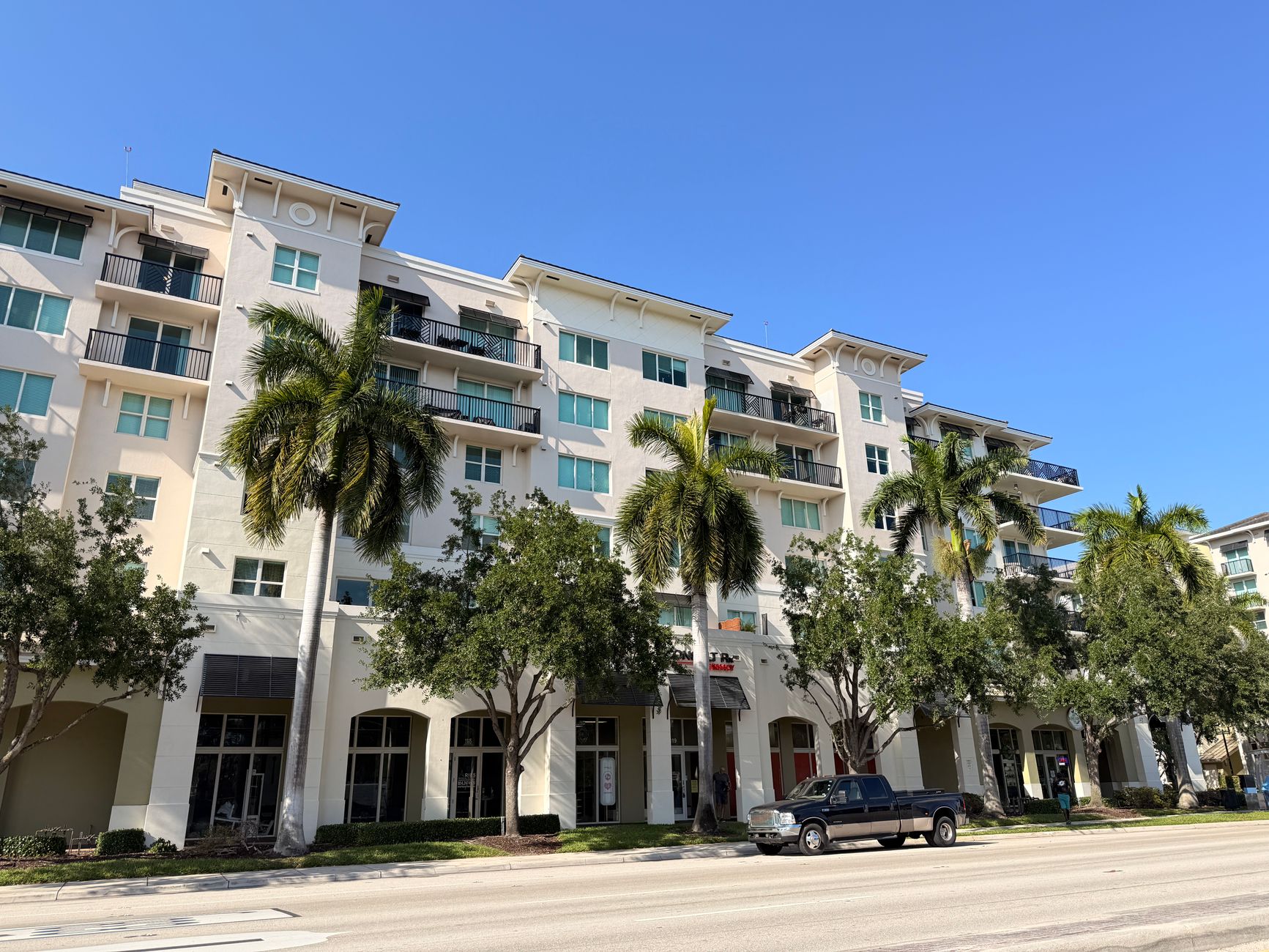
Investing in Gainesville multifamily properties calls for a solid understanding of local rental demand, property condition, and how private lenders evaluate deal data. In a university-driven market bordered by Alachua, Newberry, Archer, and High Springs, lenders like AFI Private Lenders consider both the potential and practical challenges of every transaction.
This guide details what investors, builders, and landlords need to know about securing multifamily loans in Gainesville, Florida, including what sets these loans apart, key documentation, and how specific property and market factors influence financing options.
How Multifamily Private Lending Differs from a Simple Single-Family Loan
Multifamily loans in Gainesville, Florida operate under a distinct set of expectations and review criteria compared to single-unit rental or fix-and-flip loans. The financial performance of the entire building—often measured by consolidated rent rolls and operating expenses—takes center stage, not just the value of a single home. For private lenders like AFI, assessing the income, stability, and overall business plan behind a five, 10, or 30-unit property is far more complex than appraising a single rental unit. In Gainesville and Alachua County, this means your investment case must be backed by real rental demand and clear evidence the property can perform within local market dynamics.
Unit Count, Occupancy, and Rent-Roll Information for Gainesville Multifamily Loans
The unit mix, occupancy percentage, and actual rent-roll are core to evaluating multifamily loans Gainesville Florida investors pursue. Whether your property is a stabilized 8-plex near UF or a partially leased triplex in Alachua, lenders look for consistent rent collections, market-rate rents, and realistic assumptions about lease turnover. A full, up-to-date rent roll, historical operating statements, and occupancy records provide the deal data lenders use to validate your rental income projections. These details help support reasonable rental demand assumptions for areas as diverse as downtown Gainesville or growing corridors in Newberry or High Springs.
Property Condition and Renovation or Stabilization Plans
Gainesville private lenders will closely review the physical condition of the multifamily property. Outdated or deferred-maintenance properties might qualify for bridge financing or renovation capital if your business plan and budget are clear. Documented plans for upgrades, management improvements, or stabilization of underperforming assets can help support your request. If a property near Archer, for example, requires heavy capex, lenders expect to see timelines, contractor bids, scope of work, and a realistic take on post-renovation value and occupancy.
Operating Expenses, Reserves, and Debt-Service Pressure
Operating expenses and reserve planning are especially important for Alachua County real estate investor financing. Private lenders want to see balanced pro formas that account for taxes, insurance, management fees, maintenance, and capital expenditures. Pressure on debt service coverage can break a deal, so be ready to demonstrate conservative income and expense projections that hold up to scrutiny. Failure to account for typical local expenses—whether unique utilities in Newberry or fluctuating insurance costs near the UF campus—can delay or derail an application.
Acquisition, Bridge, and Refinance Use Cases
Gainesville investment property loans can be structured to meet many use cases. Investors may pursue acquisition of stable, cash-flowing complexes, leverage bridge financing for value-add projects, or seek to refinance shorter-term debt into a new business-purpose structure. Each scenario demands a tailored application: acquisitions should be backed by strong in-place rent rolls, bridge loans need a clear path to stabilization, and refinances often require detailed payoff and exit planning. AFI Private Lenders evaluates each scenario based on current property performance, local market demand, and the investor’s business plan for the Gainesville or Alachua area property.
Leverage and Borrower Equity Considerations
Leverage—the proportion of loan funding to total project cost or value—is a crucial component in multifamily loan decisions for this market. AFI Private Lenders considers both property quality and borrower experience when evaluating leverage requests. Investors in Gainesville and surrounding communities should expect that final leverage levels will be influenced by documented rents, occupancy, renovation scope, and local demand. Strong borrower equity—either in cash or existing property—can improve a deal's prospects, while thin equity or speculative projections tend to face closer scrutiny.
What to Send AFI for a Multifamily Review
Gainesville multifamily deals advance faster when initial submissions are organized and data-rich. At a minimum, provide a full rent roll, current and recent operating statements, detailed renovation or business plans if applicable, purchase contract or payoff statement, and a schedule of real estate owned. High-resolution photos, any recent inspections or reports, and a summary of your investment experience also help. For deals in Alachua, High Springs, or other nearby locales, highlight unique location advantages or potential rental drivers as part of your package.
Exit Planning and Longer-Term Financing Options
The exit strategy—whether sale to another investor, conversion to agency or bank debt, or long-term hold with stabilized cash flow—can significantly influence Gainesville private lenders’ willingness to fund. Clarify your intended timeline and how you plan to transition from short-term bridge or rehab loans to permanent financing. Documented future rent increases, planned refinances, or potential for repositioning in a market like Gainesville, with its steady student and medical workforce demand, adds credibility to both your business plan and loan request.
Real Estate Investor Financing FAQs
What types of multifamily properties are eligible for private loans in Gainesville?
Eligible properties generally include non-owner-occupied, business-purpose buildings such as triplexes, fourplexes, and larger apartment complexes.
What local data is important for getting a multifamily loan in Gainesville?
Current rent rolls, occupancy rates, historical operating statements, property condition reports, and clear renovation or business plans are all key.
Does AFI Private Lenders finance properties in Alachua, Newberry, or Archer?
Yes, AFI considers qualifying investment properties across Alachua County, including Alachua, Newberry, Archer, and nearby communities.
How much leverage can I expect for a multifamily loan?
Leverage is set based on property condition, rents, occupancy, and borrower experience; specific figures are determined during underwriting.
Is heavy credit scoring required for Gainesville multifamily loans?
Traditional credit scoring is not relied on as heavily for qualifying as in conventional loans; deal data and business plan quality matter more.
What if my property needs significant renovation?
Submit clear budgets, contractor bids, and detailed scope of work. Lenders will review your plan and may structure financing accordingly.
Can I use private loans to refinance existing investment-property debt?
Yes, refinancing is a common use for Gainesville investment property loans, provided the property and business plan meet lender criteria.
Have a Gainesville investment property to finance?
Send the property address, requested loan amount, property type and investment plan for an initial review.