Navigate Jacksonville’s unique investment real estate landscape with this guide to hard money and bridge loans for residential, rental, and commercial projects.
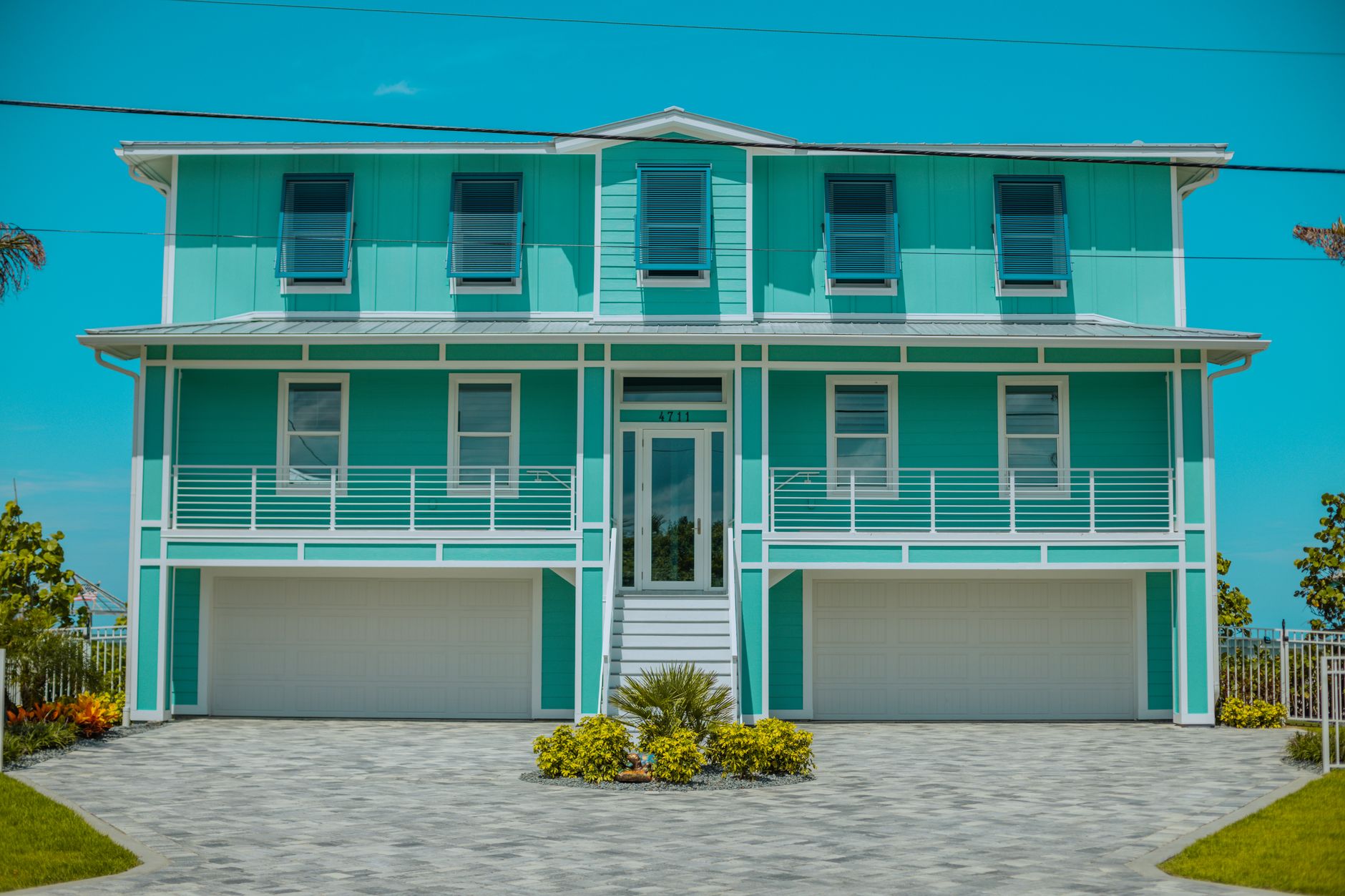
For Jacksonville real estate investors, timely and strategic financing is essential for securing opportunities ranging from residential rehabs along Southside Boulevard to commercial redevelopments in Riverside or Jacksonville Beach. In Northeast Florida, hard money and bridge loans serve as essential short-term options for investors who need business-purpose funding that adapts to local market realities.
This guide explores how Jacksonville hard money and bridge loans are evaluated, the types of projects and situations where they can be most effective, and what local property owners and investors should know when seeking this form of Duval County real estate investor financing.
When investors use short-term bridge financing in Jacksonville
Bridge loans provide temporary real estate capital, helping investors acquire, reposition, or unlock additional value from properties before transitioning to long-term financing or a sale. In Jacksonville and nearby communities like Orange Park or Ponte Vedra Beach, investors commonly use bridge financing to close on time-sensitive deals, renovate properties that are not yet rental-ready, or stabilize cash flow when a property is in transition.
These loans are also useful for investors balancing multiple projects—such as landlords improving rental portfolios or builders acquiring additional lots across Duval County. By leveraging hard money and bridge loans, they can respond to unique Jacksonville market circumstances that require agility and speed over extended credit review cycles.
Acquisition, refinance and transitional-property situations
Hard money and bridge loans in Jacksonville, Florida, are often a fit for acquisitions where investors need to secure real estate quickly—such as distressed homes near Atlantic Beach or commercial properties in growing submarkets. Investors also use these loans for refinancing purposes, like paying off outstanding debt or recapitalizing for further improvements. Transitional properties—those mid-renovation or not generating stable cash flow—are another typical use case, especially in neighborhoods undergoing revitalization.
For example, an investor repositioning a small retail strip in the Arlington area may seek bridge financing to improve tenant mix before seeking permanent bank financing. Similarly, a host planning to convert a house in Jacksonville Beach to a rental may use a short-term loan to bridge the period between purchase and property stabilization.
Collateral, leverage and property-condition considerations
Jacksonville private lenders like AFI Private Lenders look primarily at the underlying property as collateral, placing significant weight on its current value, local marketability, and exit potential. Leverage is carefully determined based on as-is and post-improvement values. Additional consideration is given to property condition—whether it's a single-family home in need of renovation or a stabilized multifamily asset in the heart of Riverside.
Collateral type and property-specific factors—such as location strength, occupancy potential, and renovation scope—all play key roles in how a bridge or hard money loan is structured. Nearby coastal areas like Atlantic Beach may face unique property condition challenges, which are reviewed in light of overall project viability and market demand.
How timing affects a Jacksonville hard money and bridge loans request
In Northeast Florida’s competitive real estate markets, timing is often critical. Delays in arranging financing can mean missing out on attractive buys along Beach Boulevard or in rapidly changing neighborhoods. Jacksonville hard money and bridge loans are frequently sought when closing windows are too narrow for conventional approvals. However, the nuances of each transaction—such as construction progress, title matters, or borrower experience—still impact how quickly a loan can move from application to closing.
Engaging a private lender early and providing full documentation can streamline this process, but investors should factor in possible delays from third parties, even with short-term business-purpose funding.
Carrying costs, maturity risk and interest expense
Bridge loans provide flexibility, but local investors need to carefully model total carrying costs, including interest expense, insurance, property taxes, and upkeep during the loan term. Unlike permanent mortgages, bridge loans are short-term and come with a maturity date: investors must have a clear plan for payoff, whether via sale, refinance, or operational stabilization.
Maturity risk is real—especially if property improvements are delayed, or market conditions shift. Savvy Jacksonville investors budget conservatively and build contingencies for unexpected costs while focusing on efficient execution of their investment strategy.
Building a realistic payoff or refinance plan
Private lenders such as AFI assess an investor's exit strategy very closely. Whether the plan is to sell a newly renovated Avondale duplex, refinance a stabilized commercial asset in Downtown, or transition to a longer-term rental loan, the lender wants to see evidence of feasibility and alignment with local market realities. This includes a timeline for renovations, target sale or refinance price, and consideration of seasonal cycles or permitting processes unique to Northeast Florida markets.
Having a clear and realistic exit plan significantly increases the likelihood of a successful loan request, whereas weak or speculative strategies may mean a loan cannot be extended—even if initial project potential seemed strong.
What to submit for an initial bridge review
To initiate a review with Jacksonville private lenders, investors should prepare to share detailed property information—photos, renovation plans (if any), recent purchase contracts, and details of any improvements performed or planned. While traditional credit scores are not heavily relied upon for qualifying certain short-term fix-and-flip loans, background and business experience still factor into the underwriting process. Documentation regarding existing liens, ownership structure, and a written outline of the exit strategy are also important.
Organized, well-prepared applications help private lenders understand the viability of the transaction and accelerate initial review for Jacksonville investment property loans.
When conventional financing may fit better
Though hard money and bridge loans provide agility for investment properties with unique timing or property needs, conventional financing remains best for stabilized assets, longer-term holds, or owner-occupied scenarios. Jacksonville investors purchasing fully-leased apartments, buying turnkey office space in Orange Park, or seeking low-rate long-term financing for a portfolio of stabilized rental homes may find that banks or credit unions can offer lower total costs and more predictable amortization schedules.
Investors should carefully evaluate all available loan structures, considering not only short-term needs but also overall business objectives and capital strategy.
Real Estate Investor Financing FAQs
How are Jacksonville hard money and bridge loans different from bank loans?
Unlike bank loans, these are short-term and focus on the investment property’s collateral and exit strategy rather than the borrower’s personal income or long-term credit profile.
Can I use hard money or bridge loans for rental properties in Jacksonville?
Yes—these loans are often used by investors seeking to acquire, renovate, or reposition rental properties before moving to permanent financing.
Do I need to have perfect credit to qualify for a bridge loan in Duval County?
Traditional credit scoring is not relied on heavily for qualifying short-term fix-and-flip loans, but overall experience and project feasibility are important.
What types of properties qualify for business-purpose bridge financing?
Qualifying investment properties in Jacksonville—including residential, rental, and commercial—may be considered, subject to collateral, property condition, leverage, and exit plan.
How do I start the process with a Jacksonville private lender?
Begin by gathering property details, supporting documents, and a clear exit plan, then connect with the lender to discuss suitability and next steps.
Is approval guaranteed for every property or borrower in Jacksonville?
Approval is not guaranteed; each project is evaluated on its unique merits, viability, and how well it fits the lender’s criteria.
Have a Jacksonville investment property to finance?
Send the property address, requested loan amount, property type and investment plan for an initial review.