Discover how Daytona Beach investors use hard money and bridge loans for local property deals. Learn what underwriters evaluate and how to prepare a strong request.
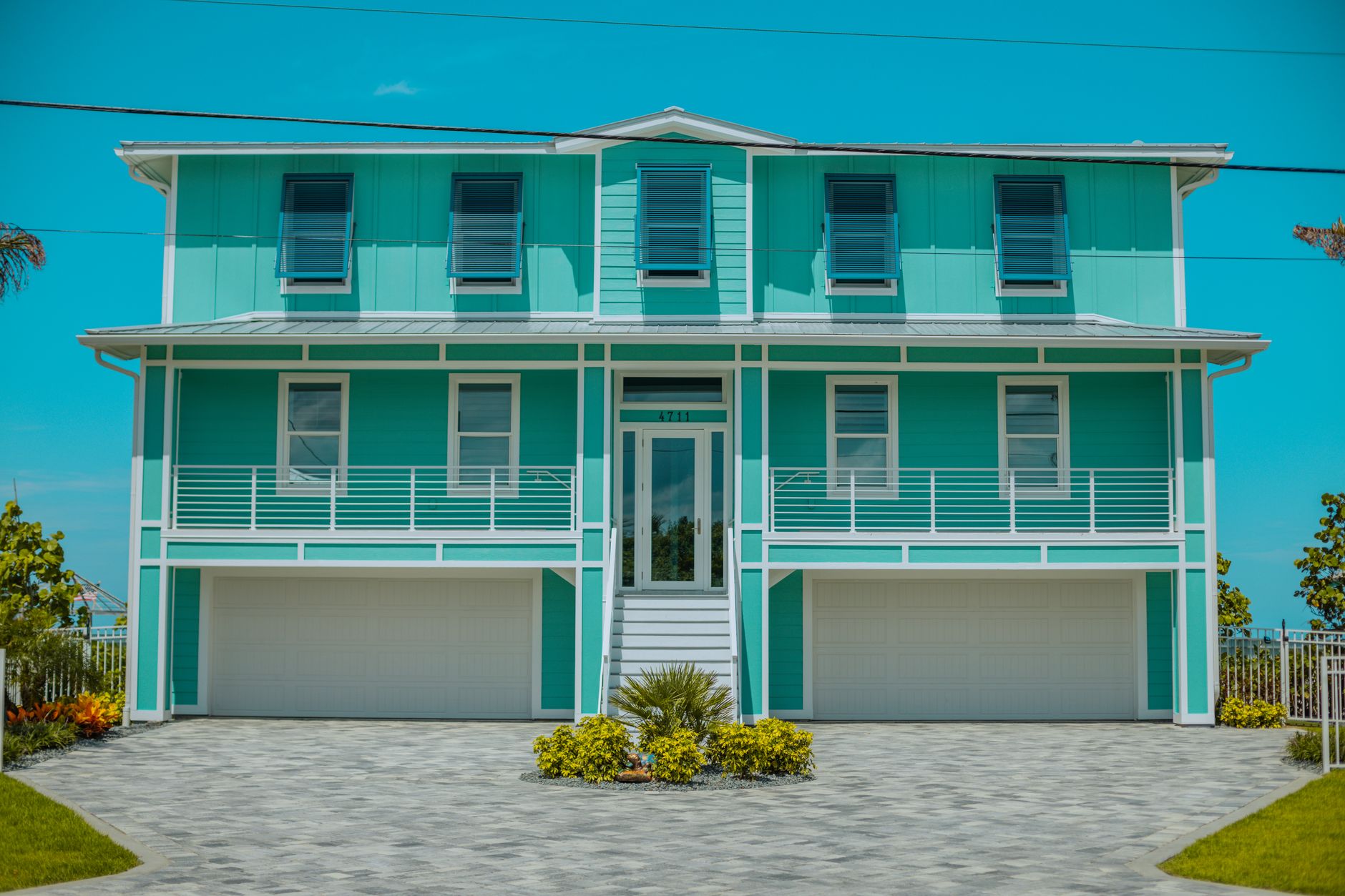
Daytona Beach's blend of Atlantic coastline, high-visibility business corridors, and inland neighborhoods presents a unique environment for real estate investors. When timing, project flexibility, or asset repositioning drive your business-purpose financing needs, hard money and bridge loans can create an edge unavailable with conventional lenders.
This guide walks investors, landlords, builders, and commercial property owners through how Daytona Beach hard money and bridge loans are considered—what investors must know about qualifying collateral, leverage, timing, and successful payoff planning across Volusia County communities.
When Investors Use Short-Term Bridge Financing in Daytona Beach
Bridge loans fill the gap when timing, project transition, or unique property characteristics make conventional bank loans impractical. In Daytona Beach, these situations frequently arise with investment property acquisitions on tight timelines, repositioning waterfront motels in Ormond Beach, or facilitating quick cash-out refinances when equity needs to be unlocked prior to a resale. Additionally, transitional properties—such as mixed-use assets in Holly Hill or older multifamily projects in Port Orange—often require flexible funding as investors stabilize occupancy or address value-add improvements.
Acquisition, Refinance and Transitional-Property Situations
Common triggers for seeking hard money and bridge loans in Daytona Beach include rapid closings on competitive investment properties, business-purpose cash outs, or refinancing during property stabilization. Investors targeting distressed assets near the Daytona Speedway or converting obsolete structures near Nova Road often turn to alternative bridge financing as traditional banks hesitate with vacancy risk, property condition, or unclear borrower experience. Across Volusia County, bridge loans can unlock the ability to purchase, rehab, or reposition income properties that otherwise wouldn’t qualify for long-term loans just yet.
Collateral, Leverage, and Property-Condition Considerations
Lenders like AFI Private Lenders assess hard money and bridge loans Daytona Beach Florida by weighing the underlying collateral, the proposed leverage and the property's current state. Strong collateral in stable markets such as DeLand or central Daytona Beach—especially properties with clear upside—may improve underwriting flexibility. For properties needing renovation or repositioning, the exit event and post-improvement value are especially scrutinized. While leverage is considered, investor equity and a direct, actionable plan for stabilizing or upgrading the asset are vital for successful approval.
How Timing Affects a Daytona Beach Hard Money and Bridge Loans Request
Daytona Beach’s compressed project windows and strong investor interest can require speed—but realistic project timelines and payoff plans are just as important as rapid execution. AFI’s review process focuses on how quickly you must close, your intended use of proceeds, and your timeline for stabilization, renovation, or disposition. Clear communication about required closing dates for Ormond Beach motels or Port Orange multifamily investments, as well as any dependencies or permit considerations, supports effective underwriter review and reduces avoidable surprises.
Carrying Costs, Maturity Risk, and Interest Expense in Volusia County Markets
Carrying costs are pivotal for Daytona Beach investment property loans, especially when projects are seasonal, coastal, or require vacancy periods. Bridge borrowers should model all anticipated expenses—property taxes, insurance, utilities, maintenance, and interest—against realistic timelines for project completion and payoff. Maturity risk, particularly for assets needing extensive work or those in portfolio repositioning phases, should be mitigated by conservative project scheduling. By accounting for potential delays and reserving sufficient cash, investors safeguard project viability and exit certainty.
Building a Realistic Payoff or Refinance Plan
Exit strategy is central to any bridge loan decision. For Daytona Beach or New Smyrna Beach investments, plans may include lease-up and stabilization for conventional takeout, or resale post-renovation. Lenders favor well-supported exit plans, such as executed listing agreements, updated rent rolls, or letters of intent from prospective buyers. If refinancing after stabilization, outline likely partner lenders, targeted loan terms, and the timeline for qualification. A detailed backup plan improves lender confidence and overall transaction certainty, especially in fast-moving or seasonally fluctuating Volusia County submarkets.
What to Submit for an Initial Bridge Review
To expedite your Daytona Beach hard money and bridge loans request, prepare a concise project summary: property address, acquisition or payoff need, intended use of proceeds, estimated as-is and post-improvement value (if applicable), business-purpose certification, and a clear payoff or refinance strategy. Investors should also provide current title, organizational documents, and any contractor bids or improvement plans, particularly when planning upgrades in markets like Port Orange or Holly Hill. While AFI does not rely heavily on traditional credit scoring for certain fix-and-flip requests, overall borrower experience and a clear business plan are always reviewed.
When Conventional Financing May Fit Better
While Daytona Beach private lenders offer speed and flexibility for specific investment property scenarios, not every project or borrower is best served by bridge or hard money terms. If your investment property is already stabilized, cashflowing, or recently renovated, and your timeline allows for traditional underwriting, bank or credit union loans typically offer lower interest expense and longer amortization. Consider all options—especially for low-leverage, long-term rental hold strategies—in evaluating the cost-benefit of bridge financing versus conventional alternatives.
Real Estate Investor Financing FAQs
What types of properties qualify for Daytona Beach hard money and bridge loans?
Qualifying properties typically include investment-focused single-family, multifamily, mixed-use, and light commercial assets in Daytona Beach and nearby Volusia County communities.
How does a lender evaluate leverage for a bridge loan?
Leverage is assessed based on property value, investor equity, transaction structure, and the viability of the exit strategy rather than with a one-size-fits-all LTV figure.
Do I need perfect credit to get a hard money or bridge loan in Daytona Beach?
Traditional credit scoring is not heavily relied on for qualifying fix-and-flip loans. However, overall borrower experience and a clear business plan are important.
How quickly can a Daytona Beach bridge loan close?
Closing speed depends on property readiness, documentation quality, and both borrower and lender responsiveness. Not every loan can close on short notice.
What is required to submit for AFI’s initial bridge loan review?
A property summary, intended use of proceeds, payoff or refinance plan, as-is and improved values, business-purpose certification, and supporting project documents are typically needed.
Are bridge loans a fit for rental property acquisitions?
Bridge loans can work for rental property acquisitions if the investor is repositioning the asset or needs interim financing ahead of conventional take-out. Stabilized assets may be better suited for traditional loans.
Can first-time investors or builders qualify for bridge financing?
While experience is considered, each case is reviewed individually. Approval is not guaranteed for first-time builders or investors.
Have a Daytona Beach investment property to finance?
Send the property address, requested loan amount, property type and investment plan for an initial review.