Learn how Daytona Beach fix and flip loans are evaluated for local investment properties. Explore deal-specific lending factors crucial in Volusia County.
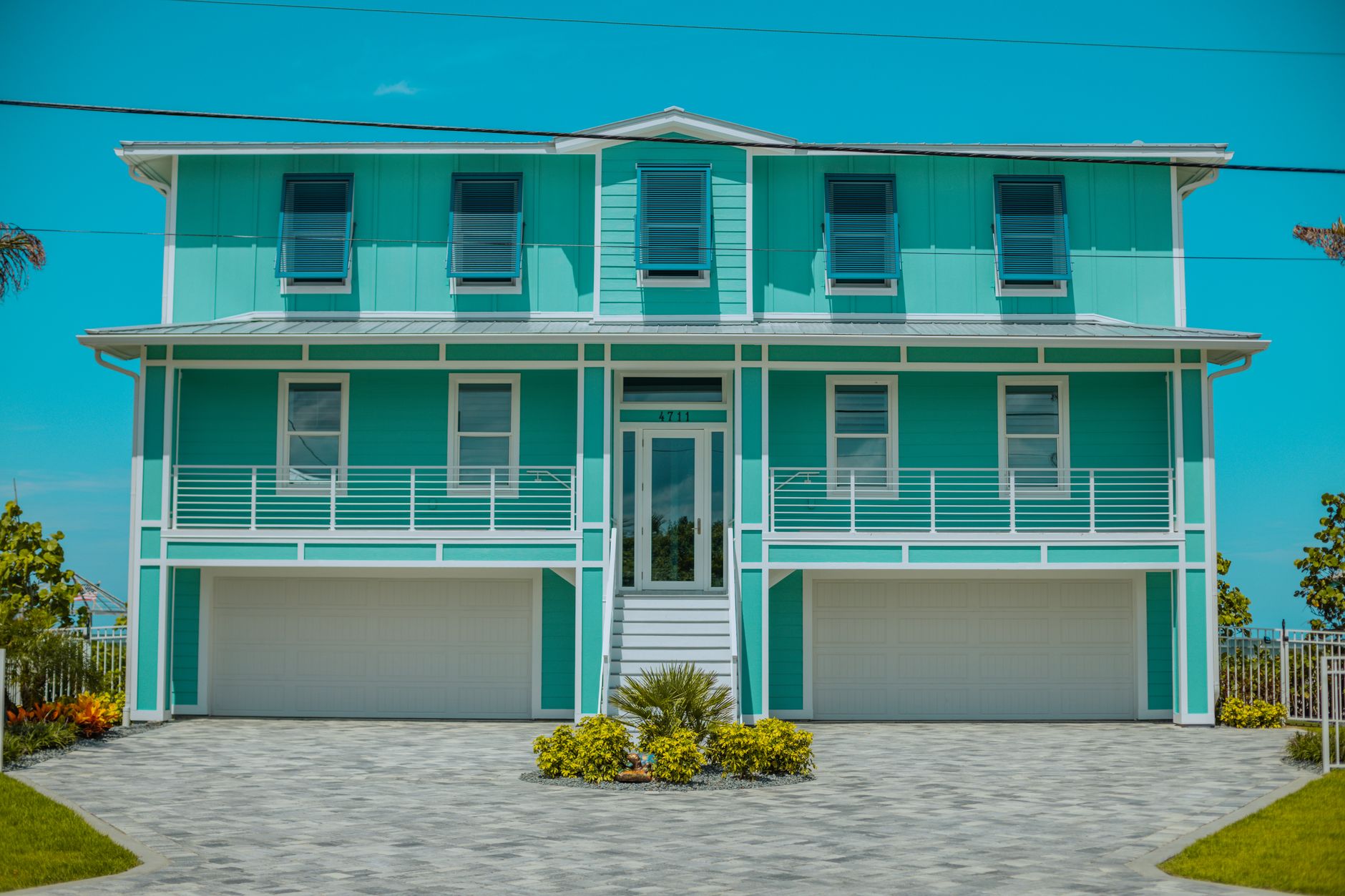
Daytona Beach’s real estate landscape draws investors seeking transformative fix and flip projects, whether revitalizing bungalows near the Halifax River, reimagining condos blocks from the Atlantic, or repositioning properties in bustling Ormond Beach or Port Orange. Smart financing can be the difference between a profitable turnaround and costly delays, especially when market timing and holding costs come into play.
This guide explores how Daytona Beach fix and flip loans are evaluated by AFI Private Lenders—offering a detailed look at project-specific qualifying factors for investors in Daytona Beach and surrounding Volusia County communities.
How Fix-and-Flip Financing is Evaluated in Daytona Beach
In Daytona Beach and throughout Volusia County, fix and flip loans are evaluated differently than consumer home loans. AFI Private Lenders structures business-purpose financing around the unique attributes of each investment property and project. Underwriting focuses on local property type, renovation plans, and the investor’s track record—factors especially relevant in coastal neighborhoods, historic districts, or fast-changing inland submarkets like DeLand or Holly Hill.
The evaluation balances project risk, marketability, borrower experience, and the strategy for taking the rehabbed property back to market. Rather than relying heavily on traditional credit scoring, AFI assesses the total deal: property value, renovation scope, borrower liquidity, and intended exit, with all loans subject to underwriting and documentation review.
Purchase Price, Current Condition, and Renovation Scope
Successful fix and flip deals in Daytona Beach often begin with a keen eye for the right purchase price and an honest assessment of the current property condition. Waterfront homes, vintage bungalows in Holly Hill, or post-war homes in Port Orange all pose different opportunities and risks. AFI reviews the acquisition cost relative to as-is market value and considers how the planned scope of work—whether cosmetic or structural—will influence timelines, inspection requirements, and eventual resale value.
Clear documentation of the property’s present state, supported by photos and detailed contractor estimates, helps frame the loan request and sets expectations for project milestones.
Why Property and Project Can Matter More Than Traditional Credit Scoring
For Daytona Beach fix and flip loans, AFI does not base approvals primarily on credit scores. Instead, the strength of the property and plan—location, project viability, realistic renovation budgets, and compelling exit strategies—drive lending decisions. Seasoned local investors able to spot up-and-coming pockets in Ormond Beach or identify opportunities in New Smyrna Beach may gain an edge by demonstrating market insight and a solid operational plan.
While credit history is considered in the overall underwriting process, AFI’s approach prioritizes a project’s business fundamentals over consumer credit data, making it possible for skilled investors with lower traditional credit scores to still be eligible—if the deal is compelling and properly structured.
Rehab Budget, Contractor Planning, and Construction Draws
Every investment property has unique challenges and opportunities—especially true when renovating in Daytona Beach’s coastal climate or historic neighborhoods. AFI expects a clear, itemized rehab budget that matches the project’s true requirements and the investor’s intended value-add. Contractors should be licensed, experienced, and capable of managing local permitting and inspection processes.
For qualifying Volusia County projects, AFI’s draw process is structured to be straightforward, with construction funds released based on work completed and verified through inspections. The right documentation and organized draw requests help keep projects on schedule, limiting delays that can increase holding costs.
Borrower Liquidity, Contingency, and Carrying Costs
Investors in Daytona Beach, Ormond Beach, or DeLand know that carrying costs—property taxes, insurance, utilities, and loan payments—add up quickly. AFI evaluates a borrower’s capacity to cover these carrying costs and maintain operations even if schedules or market conditions shift. Liquid reserves or access to contingency funds demonstrate that an investor can weather unexpected repairs, permitting delays, or slower-than-expected sales. This financial buffer is crucial for flipping in areas with seasonal sales cycles or unpredictable weather-driven repairs.
Exit Strategy: Resale, Refinance, or Rental Conversion
AFI places significant emphasis on a clear, realistic exit strategy for every Daytona Beach investment property loan. Whether your plan is to sell quickly after renovations, refinance into longer-term investment property loans, or hold the asset for rental income near the beach or university zones, a credible exit helps reduce risk and increase project appeal. The chosen strategy should align with local demand trends, market absorption rates, and your prior experience navigating Daytona Beach’s real estate cycles.
What to Send AFI for an Initial Review
To streamline the process for Daytona Beach fix and flip loans, investors should prepare concise documentation tailored to the specifics of each project. This typically includes:
- Property address and description
- Purchase contract or terms
- Current-condition photos
- Itemized renovation budget and contractor estimates
- Summary of borrower experience or prior projects
- Defined exit strategy
- Evidence of liquidity or contingency funds
Early transparency and local context—such as recent renovations in Holly Hill or comparable flips in Port Orange—can help AFI understand the property’s true after-repair value and market positioning.
When Another Financing Option May Be a Better Fit
Not every Daytona Beach investment deal aligns with a fix and flip loan structure. For projects requiring shorter-term bridge funds, ground up construction, or long-term stabilization before resale, a different commercial financing product may make more sense. Borrowers who do not have sufficient liquidity, lack a clear scope of work, or plan to live in the property will not be a fit for AFI’s business-purpose fix and flip program.
Investors pursuing multi-family rehabs in DeLand or seeking longer hold periods for rental conversions in Ormond Beach may want to discuss alternative lending options to match both their business model and project needs.
Real Estate Investor Financing FAQs
Do I need excellent credit to qualify for a Daytona Beach fix and flip loan with AFI?
Traditional credit scoring is not heavily relied on for qualifying; AFI focuses on property, project, experience, and exit strategy, though credit is considered.
Can properties in nearby Volusia County cities like Ormond Beach or Port Orange qualify?
Yes, AFI considers qualifying investment properties throughout Daytona Beach and surrounding Volusia County communities for business-purpose loans.
Does AFI require licensed contractors for rehab work?
Contractors should be licensed and experienced, especially for projects needing permits or inspections, to align with AFI’s underwriting requirements.
What kind of information should I include for an initial review?
Provide property details, rehab budget, photos, purchase terms, your experience, exit strategy, and proof of funds or liquidity for a focused review.
Are construction draws complicated to request from AFI?
AFI aims to keep draws practical and straightforward for qualifying projects, with funds released after work is completed and verified, subject to the loan documents and inspections.
Will a first-time investor qualify for a fix and flip loan?
Experience is one of several key factors. A compelling property, thorough plan, and clear exit may improve your chances, but approval is never guaranteed for first-time investors.
When might a different commercial loan type be better than a fix and flip structure?
If your project involves ground-up construction, longer-term stabilization, or falls outside short-term renovation and resale, a different financing product may be more appropriate.
Have a Daytona Beach investment property to finance?
Send the property address, requested loan amount, property type and investment plan for an initial review.