Explore how Melbourne fix and flip loans are evaluated for investment properties along Florida’s Space Coast. Learn what matters most to private lenders and local investors.
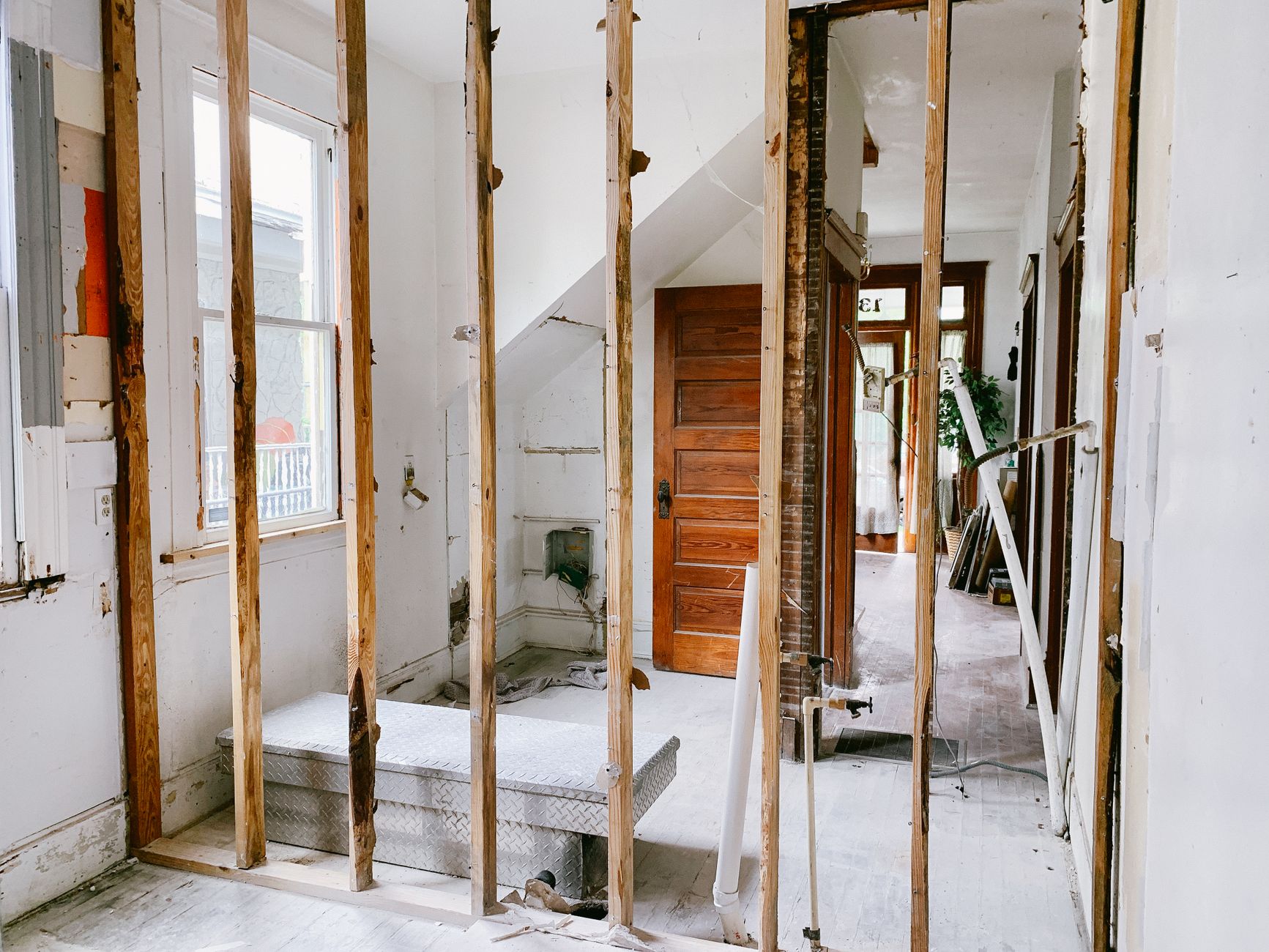
Melbourne’s position at the heart of the Space Coast makes it a strategic arena for real estate investors eyeing value-add opportunities. Whether targeting classic post-war homes in central Melbourne or distressed properties in nearby Palm Bay, successful projects depend on tailored financing solutions that fit local market dynamics.
This guide breaks down how fix and flip loans are reviewed and structured in Melbourne and greater Brevard County, with a practical focus on acquisitions, renovations, and creative exit strategies. If you’re an investor or builder ready to revitalize property in areas like Cocoa, West Melbourne, or Titusville, understanding what private lenders value can set your project up for success.
How Fix-and-Flip Financing Is Evaluated in Melbourne
Melbourne fix and flip loans are structured for investors seeking to acquire, renovate, and exit investment properties quickly and profitably. Unlike conventional financing, these loans are typically underwritten based on the property’s value, renovation potential, project plan, and the borrower’s experience executing similar rehabs—especially in Brevard County’s diverse neighborhoods. AFI Private Lenders reviews requests by focusing on the unique attributes of each deal, tailoring leverage and loan structure to the asset and the strategy, rather than emphasizing traditional credit profiles.
Purchase Price, Current Condition, and Renovation Scope
A successful fix and flip loan proposal starts with a defensible purchase price and clear-eyed assessment of the property’s current condition. In areas like Eau Gallie or South Melbourne, properties may range from original owner-occupant homes with deferred maintenance to buildings needing full gut rehabs. Lenders will look for investor insights into the renovation scope, realistic cost projections, timeline to completion, and the local resale or rental demand after revitalizing the asset.
Why the Property and Project Can Matter More Than Traditional Credit Scoring
For investors in Brevard County, one advantage of fix and flip financing is that lenders like AFI generally weigh the asset and the business plan more than an applicant’s traditional credit score. A comprehensive renovation proposal—outlining repairs, upgrades, and value-add improvements—often carries more weight, provided the project aligns with market realities. While background and experience are assessed, it’s the specific property risks and upside in local communities like Rockledge or Palm Bay that set the tone for underwriting.
Rehab Budget, Contractor Planning, and Construction Draws
Presenting a detailed rehab budget and a qualified contractor plan is critical for approval. Lenders will expect clarity on line-item costs (materials, labor, contingency) and the qualifications of anyone performing the work. AFI Private Lenders seeks to keep construction draw requests practical, with disbursements tied to verified stages of work completed. Accurate planning not only strengthens initial proposals but supports smooth progress throughout renovations in fast-moving Space Coast markets.
Borrower Liquidity, Contingency, and Carrying Costs
Fix and flip projects in Melbourne require sufficient liquidity—not just to close the purchase, but to navigate unforeseen costs, delays, or shifts in material pricing. Private lenders look for evidence that investors can manage carrying costs such as utilities, property taxes, insurance, and interest during the project. This preparation is especially relevant for investors considering multiple projects simultaneously across the Melbourne, Cocoa, or Titusville areas.
Exit Strategy: Resale, Refinance, or Rental Conversion
A clear exit strategy is a non-negotiable component of any fix and flip loan request. Whether planning to resell the property to a Space Coast homebuyer, refinance into a long-term rental loan, or reposition the asset as a short-term rental, investors must show how the completed renovation leads to repayment of the initial financing. Lenders may look for comparable sales or rental market evidence supporting the proposed exit, particularly for projects tapping into regional trends or revitalization initiatives in the Melbourne area.
What to Send AFI for an Initial Review
For an efficient review of Melbourne investment property loans, gather and send AFI a concise package: purchase contract or agreement, photos showing current condition, a draft budget, contractor estimates, and a summary of your renovation and exit strategy. Including your experience on past projects in Brevard County or adjacent markets will also strengthen the submission and help underwriting focus on how your plan matches local realities.
When Another Financing Option May Be a Better Fit
Fix and flip loans are a powerful tool for value-add and reposition projects, but they are not a one-size-fits-all solution in Melbourne. Some investors may find better fit with alternative financing—such as long-term rental loans, construction loans for ground-up developments, or portfolio lending—if the timeline, purchase type, or business plan fall outside classic fix-and-flip parameters. For instance, stabilized rental properties in West Melbourne or multifamily assets with complex value-add requirements may benefit from a more tailored financing package.
Real Estate Investor Financing FAQs
Are Melbourne fix and flip loans only for experienced investors?
Experience is important, but fix and flip loans may be available to newer investors with strong project plans and support from qualified contractors. Each request is reviewed individually.
What property types are eligible for fix and flip loans in Brevard County?
Loans are generally available for non-owner-occupied residential investment properties and, in some cases, small multifamily or mixed-use buildings. All subject to underwriting.
Do lenders in Melbourne require traditional credit scores for approval?
Traditional credit scoring is not heavily relied upon by AFI for qualifying fix and flip loans. The property, project, and business plan are primary underwriting factors.
How are draws handled for construction and renovations?
Draws are typically structured around completed stages of work. AFI aims to keep the process practical, with inspections and documentation guiding each disbursement.
Can these loans be used for rental conversion after renovations?
Yes, provided your exit strategy is clear and the business plan supports a transition to rental use. Many Melbourne investors refinance into long-term loans after renovation.
What should I prepare before reaching out to AFI?
Gather your purchase agreement, photos, rehab budget, contractor bids, and a summary of your experience and exit plan. This speeds up initial lender review.
Have a Melbourne investment property to finance?
Send the property address, requested loan amount, property type and investment plan for an initial review.