Explore how Daytona Beach commercial real estate loans are reviewed, structured, and utilized for coastal and inland Volusia County investment properties.
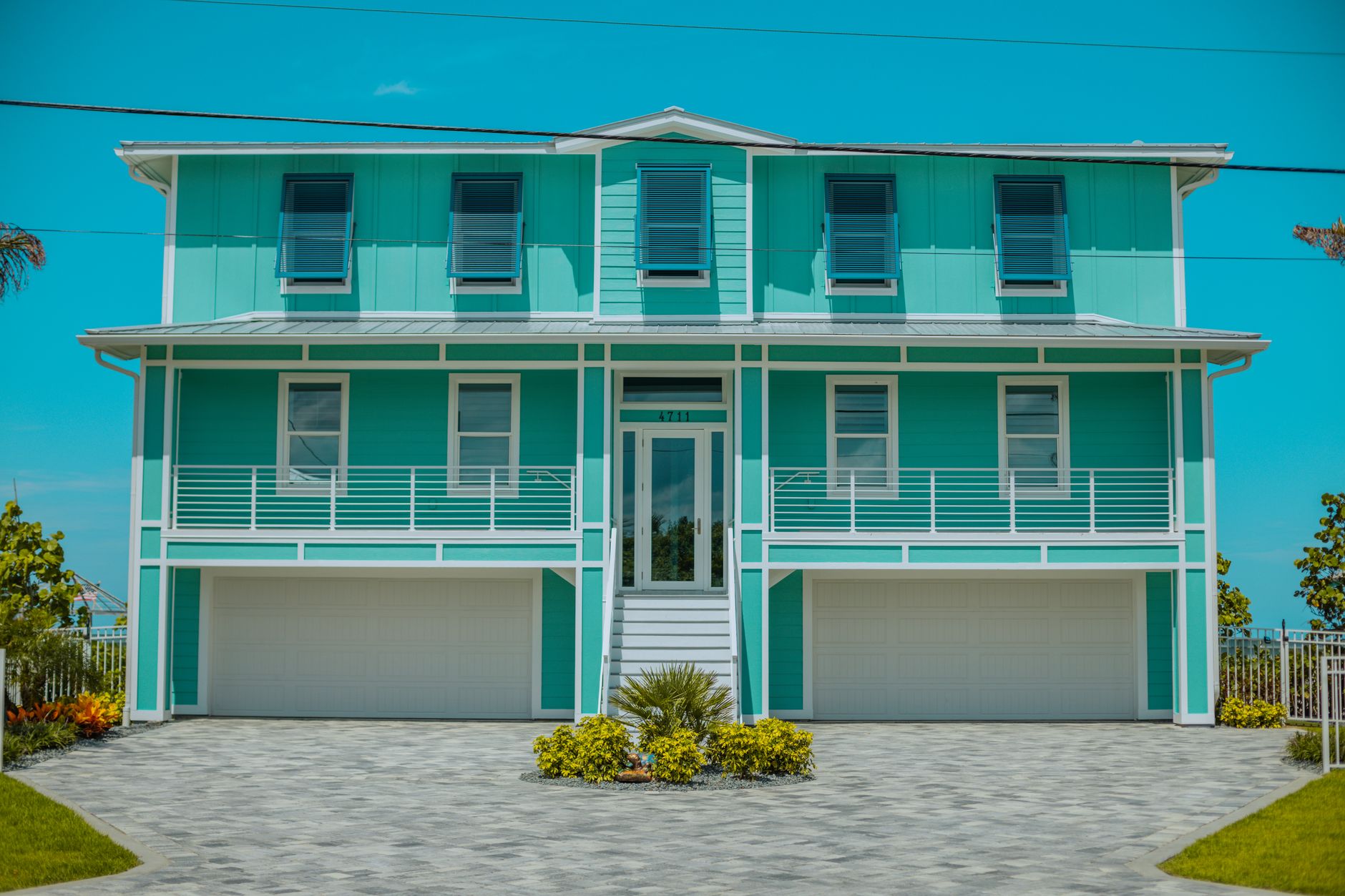
Daytona Beach’s mix of oceanfront resorts, inland retail plazas, and multifamily communities offers unique opportunities and challenges for real estate investors. Understanding how local commercial real estate loans are evaluated can help investors, builders, and property owners secure the most suitable financing for acquisitions, value-add projects, and property transitions.
This guide unpacks the commercial loan review process in Daytona Beach and surrounding Volusia County communities such as Ormond Beach, Port Orange, DeLand, and Holly Hill. Whether your investment focus is hospitality near the Boardwalk, medical office in DeLand, or mixed-use in New Smyrna Beach, prudent financing can help manage carrying costs and meet critical project timelines.
Commercial property situations AFI can review
AFI Private Lenders considers business-purpose real estate financing for investment properties across Daytona Beach and Volusia County. Eligible property types often include retail centers, office buildings, multifamily, warehouses, and select mixed-use projects. Investors considering acquisitions in fast-changing corridors or seeking capital for stabilized assets can approach AFI to discuss their Daytona Beach commercial real estate loans needs. Each scenario is reviewed based on property type, investment intent, and borrower experience—whether repositioning a legacy Ormond Beach property or optimizing a newly acquired asset in Port Orange.
Acquisition, refinance, bridge and repositioning scenarios
Daytona Beach’s dynamic real estate landscape means investors frequently seek short-term bridge loans, capital for time-sensitive acquisitions, or funds to reposition properties through renovations or lease-ups. AFI evaluates not only purchase loans but can also review refinancing requests, cash-out scenarios, or recapitalizations needed for partner buy-outs. Bridge financing is particularly useful for investors navigating lengthy permitting timelines near the Intracoastal, or for those repositioning under-leased shopping centers in DeLand. Clarifying project timing and capital use is essential in tailoring a loan program to carry you through value creation to exit.
Collateral quality, occupancy and property condition
The physical condition and current occupancy of an investment property are central to underwriting in the Daytona Beach coastal zone and its inland neighbors. A well-leased office park in Holly Hill may be considered differently than an underutilized building needing substantial upgrades. AFI weighs structural soundness, tenant mix, and maintenance, noting the additional risk characteristics of older assets or coastal properties exposed to hurricane cycles. Presenting recent inspection reports, rent rolls, and relevant engineering findings helps ensure accurate assessment of collateral value and borrower's exposure to carrying costs during the loan term.
Tenant, lease and business-plan information
Strong leases and diversified tenants often enhance loan eligibility—especially for properties in sought-after corridors like Beach Street or Granada Boulevard. For vacant or partially occupied assets, AFI will review the proposed business plan, lease-up timeline, and marketing strategies. Detailing existing lease terms, renewal options, and tenant payment profiles provides important context for loan sizing and risk evaluation. For hospitality, retail, or medical office projects in Daytona Beach or New Smyrna Beach, business plans that address seasonality, local demand trends, and repositioning milestones are particularly important for lender review.
Leverage, capital improvements and borrower equity
AFI reviews leverage based on the property, market, and strategy. Well-capitalized investors with clear renovation or improvement budgets are well-positioned when seeking Daytona Beach investment property loans. While AFI can consider significant leverage, the required borrower equity and capital improvement plans are closely examined. Substantial borrower equity signals commitment, while clear capital improvement strategies demonstrate readiness to execute. In Volusia County, where project costs and timelines can fluctuate, presenting accurate renovation budgets and funding sources helps lenders and borrowers plan for unexpected delays or carrying cost increases.
Exit strategy and loan-duration planning
Every project reviewed for commercial real estate loans in Daytona Beach Florida benefits from a well-articulated exit strategy. Typical exits include sale, conventional refinance, or stabilization for longer-term hold. AFI weighs how realistic the exit plan is in the context of Daytona Beach’s market cycle, property type, and borrower track record. For example, short-term bridge financing may suit an investor planning a quick lease-up and sale of a Port Orange asset, while a property in New Smyrna Beach targeting medical tenants may need a longer runway. Accurate loan duration planning helps avoid mismatches between loan maturity and business milestones.
What to send for a commercial financing review
To initiate a commercial loan review, prepare to share key details: property address, executive summary, purchase contract (if applicable), current rent roll, property photos, renovation or business plan, and a summary of borrower experience. AFI also reviews borrower financials, capital improvement budgets, and information about the exit strategy. For Daytona Beach and Volusia County investment property loans, transparency and organization help establish credibility, speed up underwriting, and ensure a thorough evaluation of property-specific and local market risks.
When bank or longer-term financing may be preferable
Not every deal is best matched to private lending. Properties with strong in-place cash flow, stable long-term tenants, or owners seeking the lowest possible carrying costs may find bank or credit union options preferable. While AFI does not rely heavily on traditional credit scoring for qualifying certain fix-and-flip loans, institutional lenders may offer competitive long-term rates and amortization for seasoned, stabilized assets. For new ground-up construction or first-time builders in Daytona Beach, banks may be better equipped for certain programmatic construction loans. Evaluating the total cost, project timeline, and intended hold period helps investors choose the best capital source for each phase of their Volusia County portfolio.
Real Estate Investor Financing FAQs
Which types of Daytona Beach investment properties can AFI review?
AFI considers business-purpose loans on a range of commercial property types, including retail, office, multifamily, warehouse, and select mixed-use buildings.
Do I need a fully leased property to qualify for a commercial real estate loan?
No. AFI can review properties with partial or no occupancy, especially if you have a clear business plan and strategy for improvements or lease-up.
Is credit score the primary factor for qualifying commercial loans in Daytona Beach?
Traditional credit scoring is not relied on heavily for qualifying certain fix-and-flip loans, but overall borrower experience, equity, and project plan are important.
What documents are needed for a loan review?
Typically, you should provide the property address, executive summary, purchase contract, rent roll, photos, renovation/business plan, and borrower experience summary.
What is meant by leverage when discussing Daytona Beach private lender loans?
Leverage refers to the amount of financing relative to the property's value and planned improvements, not to be confused with LTV or LTC.
Are commercial real estate loan terms guaranteed?
No. Every investment property and borrower is reviewed on a case-by-case basis. There are no guarantees of qualification or approval.
When should investors consider bank or longer-term commercial financing?
When an asset is fully stabilized with in-place tenants and cash flow, or the goal is the lowest possible total carrying cost over a long holding period.
Have a Daytona Beach investment property to finance?
Send the property address, requested loan amount, property type and investment plan for an initial review.