Discover how DSCR loans empower Fort Myers investors to finance rental properties effectively, with a practical look at evaluating income, expenses, flood risk, and local considerations across Lee County.
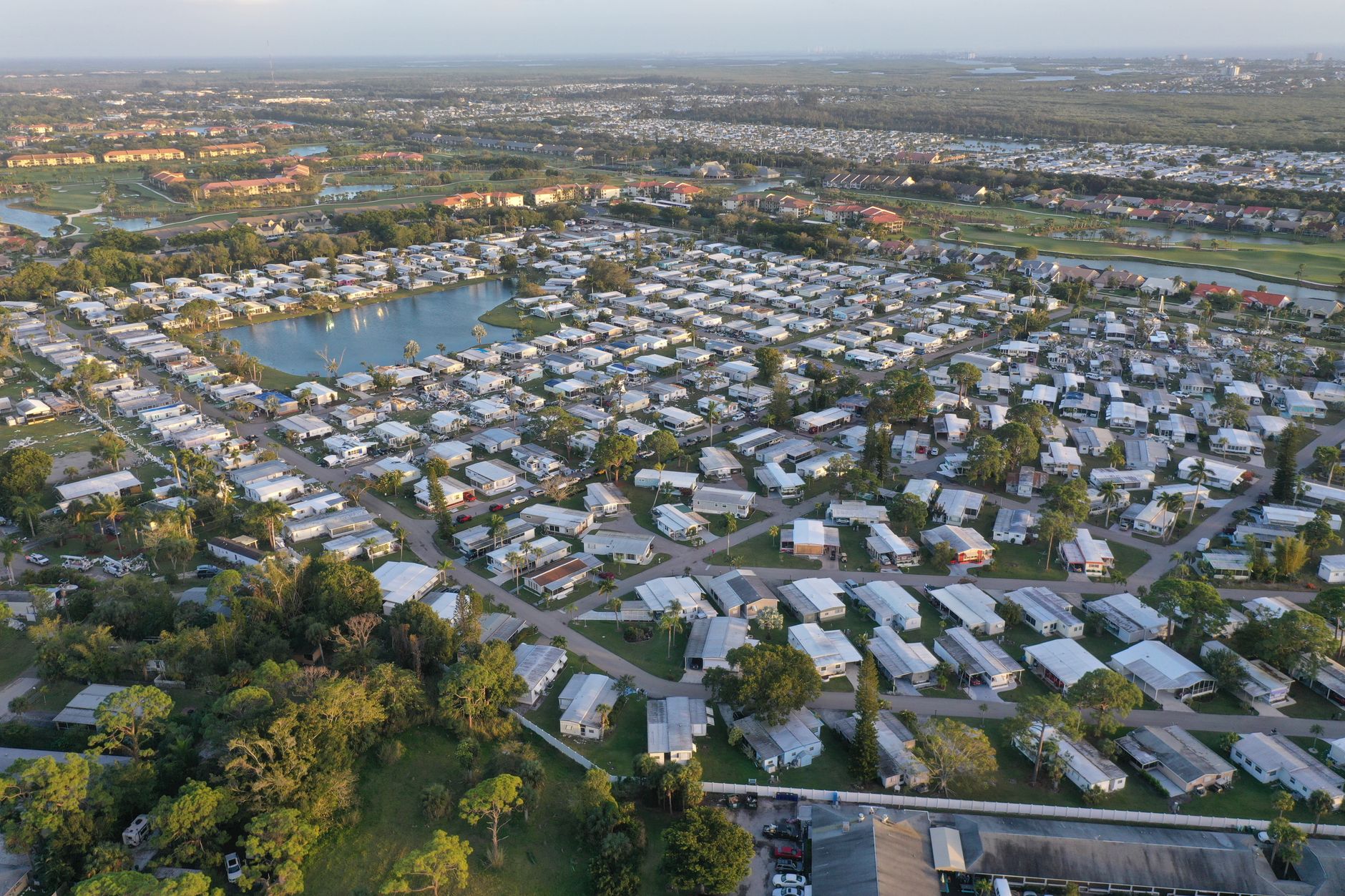
DSCR loans in Fort Myers are gaining traction as real estate investors throughout Southwest Florida seek flexible, income-based financing for rental properties. Unlike traditional methods, these loans focus on a property’s income-generating ability rather than the borrower’s personal income, making them especially appealing for both seasoned and first-time investors.
Understanding the specifics of DSCR financing in Fort Myers—including how rental income, taxes, insurance, HOA fees, and flood exposures are evaluated—is key to maximizing your investment strategy. This article provides practical insight tailored to investors targeting Fort Myers, Cape Coral, Lehigh Acres, Estero, Bonita Springs, North Fort Myers, and surrounding Lee County neighborhoods.
What Does DSCR Mean for Fort Myers Rental Investors?
DSCR stands for Debt Service Coverage Ratio, a metric used by private lenders to assess whether a rental property's income is sufficient to cover its debt obligations. Simply put, it compares the property’s gross rental income to its expenses—including principal and interest payments. For Fort Myers rental property loans, a DSCR of at least 1.0 is often the baseline, meaning the property breaks even. Higher ratios suggest positive cash flow, which can strengthen loan requests, subject to underwriting.
In the context of the local market, DSCR loans Fort Myers are especially valuable for investors who want to expand their portfolios without relying solely on personal income qualifications.
How Rental Income Is Evaluated in DSCR Loans Fort Myers
With DSCR loans, the primary qualifying factor is the rental income the property generates or is projected to generate. Lenders working in Fort Myers typically rely on market rents determined by appraisers—especially when the property is vacant or newly purchased. For leased properties, actual lease agreements are often required as supporting documentation.
- Single-family homes: Income is usually based on full-market rent or actual lease.
- Duplexes, triplexes, and fourplexes: Each unit’s rent must be analyzed, accounting for typical vacancy expectations.
- Short-term rentals: Projections may be more complex; some DSCR lender Fort Myers companies may require a longer history of short-term rental income.
Tip: Collaborate with an experienced appraiser familiar with Lee County's diverse sub-markets for a more accurate rental estimate.
Understanding Operating Expenses and Debt Service
Lenders will carefully assess a property's fixed and variable expenses to determine its net operating income and, ultimately, the debt service coverage ratio. Typical expenses include property management fees, maintenance, utilities (if not tenant-paid), vacancy allowance, and replacement reserves. The sum of your mortgage principal and interest—your debt service—needs to be comfortably supported by net income for DSCR approval.
Investors should maintain accurate expense records and anticipate new costs if upgrading or repositioning the asset. These factors, combined with income assumptions, form the core equation for securing Lee County investment property loans.
Property Taxes and Insurance in Lee County
Property taxes and hazard insurance are significant budget items for Fort Myers rental properties. Local tax rates and assessments can vary by city, neighborhood, or unincorporated Lee County. Insurance costs may increase in areas more exposed to wind, storm, or flood risk. Lenders will verify estimates using current tax bills and paid insurance policies, both of which are mandatory for DSCR loan underwriting.
- Access tax records via the City of Fort Myers for city properties: https://cityftmyers.com/.
- For unincorporated properties or to research countywide assessments, consult Lee County Building & Permitting: https://www.leegov.com/dcd/buildingpermitservice.
Pro Tip: For new purchases, use the most current PRM (Proposed Rate and Methodology) or consult with your closing agent to estimate post-purchase tax adjustments accurately.
Managing Flood Risk and Related Costs
Many parts of Fort Myers and Lee County are prone to flooding, and flood insurance can be a major expense—especially for homes in or near special flood hazard areas. DSCR lender Fort Myers underwriting always includes an assessment of flood risk, and flood coverage is usually required as a loan condition if the property is in a mandatory flood zone according to FEMA maps.
- Check floodplain status at Lee County Floodplain Management: https://www.leegov.com/dcd/Flood.
High-risk zones may see higher premiums and stricter insurance compliance. Factor these costs into your profit calculations before making an offer.
HOA and Condo Association Considerations for DSCR Loans
Many rental properties in Fort Myers, notably in areas like Downtown, Gateway, or Iona, are governed by homeowners (HOA) or condominium associations. Lenders will require full transparency on monthly dues, special assessments, and any rental restrictions imposed by the governing body. Some associations have limits on leasing or minimum lease terms that can impact projected rental income and eligibility for DSCR loans Fort Myers.
- Review association budgets and meeting minutes for pending capital improvements or assessments.
- Confirm that the HOA or condo rules permit the intended rental use, including for investors purchasing in new or converted communities.
Failure to account for these factors could result in surprises at closing or post-purchase restrictions that disrupt your business plan.
Purchase Versus Refinance: Strategies with DSCR Loans Fort Myers
DSCR loans can facilitate both purchase and refinance scenarios for Southwest Florida rental financing. When purchasing property, the focus will be on projected market rents and the ability of the asset to self-support its debt payments after expenses, taxes, and insurance. For refinancing, current operating statements, rent rolls, and historical income are even more critical. Additional considerations for a refinance might include cash-out proceeds, paydown of higher-cost debt, or a strategy to recapitalize the portfolio for further acquisitions.
Investors should recognize that all terms are subject to underwriting, and loan structures can vary significantly based on LTV, DSCR, and overall asset performance.
DSCR Versus Conventional Financing: Assessing Your Options
One of the biggest appeals of DSCR loans is their reliance on property performance rather than borrower income, credit, or employment. This opens doors for investors with strong real estate portfolios but limited W-2 documentation. However, DSCR loans may carry higher interest rates or require larger down payments than conventional mortgages. They typically are not eligible for Fannie Mae or Freddie Mac products and may have different seasoning, reserve, or prepayment requirements.
Weigh the pros and cons against your investment strategy, and consider discussing options with experienced local professionals familiar with Fort Myers rental property loans and the unique dynamics of Lee County investment property loans.
Checklist: Preparing for a DSCR Loan Application in Fort Myers
- Gather recent lease agreements or rental history documentation.
- Request a market rent appraisal from a Lee County-savvy appraiser.
- Obtain copies of the current property tax bill and insurance declarations (including any flood insurance).
- If in an HOA or condo, collect association budgets, rules, and proof of payment for dues.
- Review the property’s flood zone designation using Lee County Floodplain Management resources.
- Prepare an expense statement for utilities, repairs, management, and anticipated vacancies.
- Consult your closing agent about anticipated tax reassessments for a purchase.
- For refinances, prepare clear rent rolls and profit/loss tracking for at least 12 months if available.
Organizing these documents can greatly expedite underwriting and highlight your preparedness as a borrower.
Risks and Trade-Offs: What Lee County Investors Should Consider
While DSCR loans open doors for real estate investors, they come with important risks and trade-offs. Rental income can fluctuate due to vacancies or market trends, impacting your DSCR. Properties in flood-prone areas may face sudden insurance premium increases. HOA or condo special assessments can unexpectedly erode cash flow. And unlike conventional financing, DSCR loans may carry stricter terms or higher costs, often requiring more up-front capital.
Local permitting and building requirements, particularly for renovations or repairs, are managed by city or county offices. Always consult the City of Fort Myers or Lee County Building & Permitting before beginning projects: regulations may impact timing, cost, or even eligibility for future financing.
Being proactive and realistic about these risks—while maintaining prudent cash reserves—will help safeguard your investment in Fort Myers and the surrounding Southwest Florida region.
Real Estate Investor Financing FAQs
How is the DSCR calculated for Fort Myers rental properties?
DSCR is the ratio of a property’s gross rental income to its expenses and loan payments. Local lenders use actual leases or appraiser market rent estimates to calculate this ratio.
Do DSCR loans require a minimum credit score?
Most DSCR lenders will require a minimum credit score, but specific requirements vary and all approvals remain subject to lender underwriting.
Is flood insurance required for all Fort Myers investment properties?
Flood insurance is required if the property is located in a designated flood zone. Always check with Lee County Floodplain Management to determine your property's flood risk.
Can I use a DSCR loan for a short-term rental in Lee County?
Yes, but lenders may have additional documentation requirements or may underwrite more conservatively for properties intended as short-term or vacation rentals.
What happens if my HOA restricts rentals after I purchase the property?
If rental restrictions change post-purchase, your cash flow and DSCR may be impacted. Carefully review all HOA or condo documents and rules before closing.
Do DSCR loans close faster than conventional mortgages?
Closing timelines vary and depend on complete documentation and underwriting. No guarantees can be made regarding speed of closing.
What local resources can help with permitting or flood information?
For building permits, consult the City of Fort Myers or Lee County Building & Permitting. For flood information, use Lee County Floodplain Management's resources online.
Have a Fort Myers investment property to finance?
Send the property address, requested loan amount, property type and investment plan for an initial review.