A comprehensive guide for Fort Myers and Lee County real estate investors, providing actionable due diligence steps for flood zones, permits, title, insurance, and more.
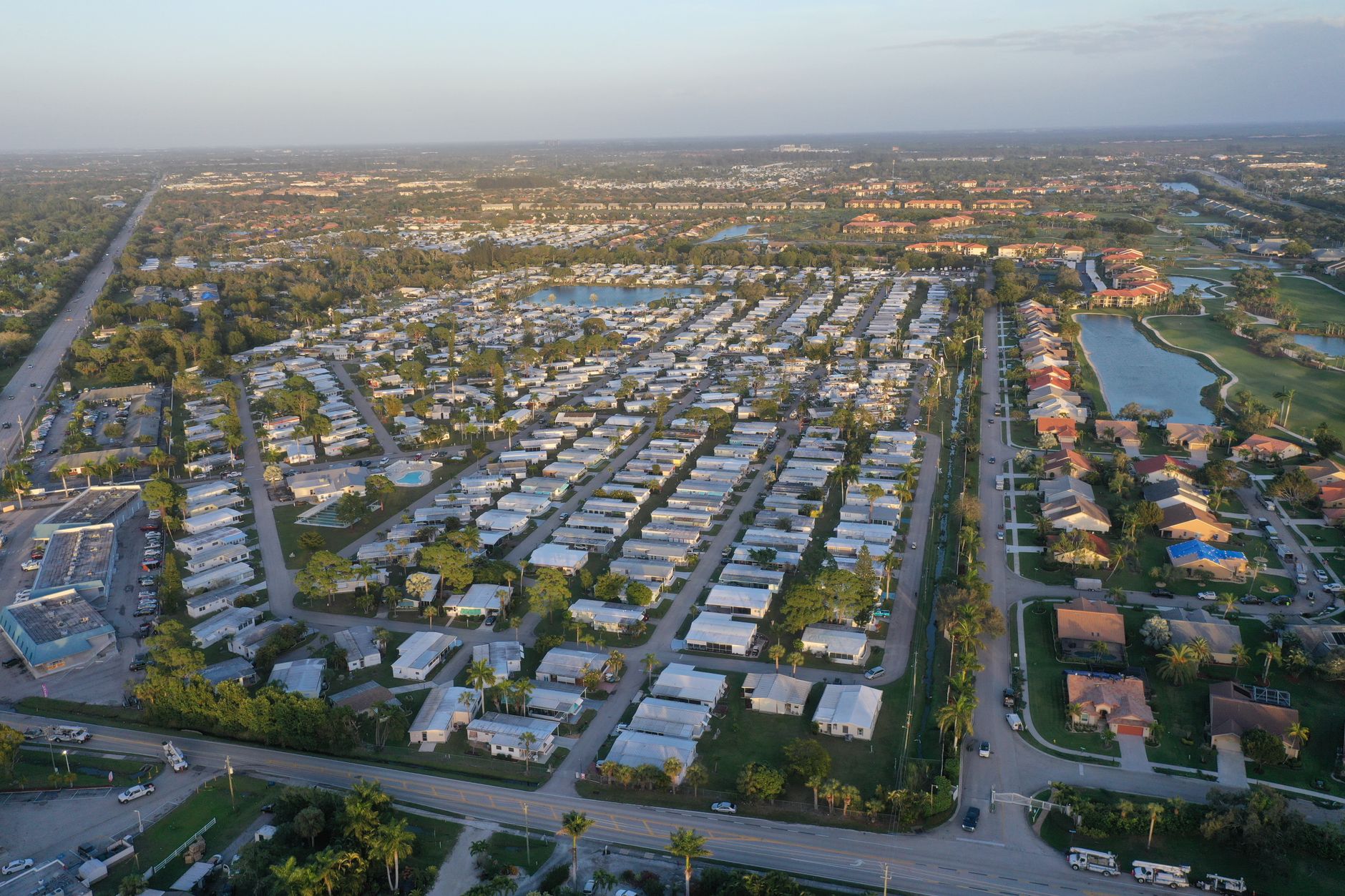
Fort Myers and greater Lee County, Florida, offer attractive opportunities for real estate investors, but these coastal markets also demand rigorous property due diligence—especially with complex flood risks and evolving permitting requirements. To succeed here, investors must look beyond the basics and understand how local regulations, property records, and unique market conditions can impact potential returns and project timelines.
This guide details the essential elements of Lee County real estate due diligence, including jurisdictional boundaries, flood zone analysis, permit and inspection records, title review, insurance requirements, and practical steps to connect these checks with your loan request. Whether targeting established Fort Myers neighborhoods like McGregor or fast-growing markets like Lehigh Acres, this checklist-based approach helps minimize risk and improve investment outcomes.
Establish Jurisdiction: Fort Myers Versus Unincorporated Lee County
The first critical step in Lee County real estate due diligence is determining whether the property is located within the city limits of Fort Myers or in unincorporated Lee County. This will dictate which local government department oversees property records, permitting, zoning, and code enforcement. For properties inside Fort Myers, investors should start with resources available from the City of Fort Myers. For those outside the city, Lee County Building & Permitting Services is the authoritative source.
Jurisdiction matters because requirements and approval processes can differ between municipalities, and missing this step can cause costly delays or lead to oversights in compliance. Always confirm the property jurisdiction early using county GIS or by contacting the respective permitting authority before proceeding with deeper due diligence.
Flood Zone Analysis: Why Flooding Risks Influence Value and Insurance
Southwest Florida’s geography makes flood risk one of the most significant variables in Fort Myers flood zone real estate. Investors need to review the latest floodplain data for every target property, particularly after events such as Hurricane Ian, which changed risk profiles for many neighborhoods.
The starting point for accurate, jurisdiction-appropriate information is Lee County Floodplain Management. This resource provides current FEMA maps and can direct you to the right department if the property is within Fort Myers city limits. Understanding a property’s flood zone has direct implications for insurance costs, required coverage, renovation costs, and the ability to resell or refinance. Overlooking flood risk may lead to underestimating long-term expenses or exposure to uninsured damage.
Lee County Permit Search: Reviewing Permits and Inspections
Reviewing open and closed permits is non-negotiable. An incomplete Lee County permit search can expose investors to major risks, including unpermitted work, code violations, or future enforcement actions. Begin by searching through the official portals: use the City of Fort Myers permit search for properties inside the city, or the Lee County Building & Permitting Services site for unincorporated areas.
Be sure to check for final inspections, contractor sign-offs, and whether all improvements and additions were officially approved. Special attention should be paid to older homes, post-hurricane repairs, and recent flips where corners may have been cut. Investing time in this phase can avert expensive surprises post-closing.
Assessing Fort Myers Property Condition: Practical Steps
Property condition is especially important in Lee County due to the prevalence of hurricane impacts, humidity-related issues, and the popularity of renovations in areas such as Downtown Fort Myers, McGregor, and Gateway. Beyond standard walk-throughs, investors should schedule professional inspections covering roof, HVAC, plumbing, electrical systems, and the foundation. Pre-listing or seller-provided inspections should always be independently verified.
Documentation of condition is critical for both financing and insurance approval, and undisclosed defects can derail a project budget. Keeping detailed records of inspections, repairs, and contractor bids helps support valuation, loan underwriting, and future resale.
Review Title and Recorded Documents
Thorough title review is fundamental for every Lee County investor checklist. A qualified title company or real estate attorney can identify ownership issues, undisclosed liens, easements, or deed restrictions—any of which can disrupt financing or future redevelopment. Public records can be accessed through the Lee County Clerk’s website as an initial screening, but professional title insurance and legal review should be considered standard practice before closing.
Be alert to potential red flags such as unresolved code enforcement liens, unrecorded boundary disputes, or outdated surveys. These issues can be especially relevant in neighborhoods with irregular lot lines or homes rebuilt after significant storm events.
Insurance Review: Fort Myers and Lee County Key Considerations
Securing insurance in coastal Lee County can be complex due to flood, windstorm, and storm surge risks. Investors must verify all insurance assumptions, including the cost and availability of general hazard, wind, and flood coverage. Some policies, especially older ones, may not transfer with a sale—or may require significant updates after closing and inspections.
Factor in requirements from both local lenders and insurance carriers, noting that premiums can vary greatly by flood zone or property age. Underestimating insurance can jeopardize financing or leave investors exposed in the event of a loss. Request written insurance quotes based on current property condition and use those figures in your investment pro forma.
Connecting Due Diligence to Your Loan Request
Each due diligence step—jurisdictional research, flood risk, permit checks, property condition, title, and insurance—feeds directly into your loan request. Lenders in Fort Myers and Lee County, including AFI Private Lenders, require clear documentation and will typically subject everything to underwriting review. Properties with unresolved permit issues, flood-related risks, or unclear title may face stricter terms, lower loan amounts, or delayed approvals.
Providing a thorough due diligence package not only strengthens your loan application but also demonstrates professionalism to brokers, sellers, and financing partners.
Lee County Investor Checklist: Step-by-Step Due Diligence
Organize your Fort Myers property due diligence and minimize risk with this practical Lee County investor checklist:
- Confirm Jurisdiction: Is property in Fort Myers, unincorporated Lee County, or another nearby city?
- Flood Zone Verification: Check floodplain status using Lee County Floodplain Management; understand insurance implications.
- Permit History: Search for open/closed permits and inspection history in the correct jurisdiction’s portal.
- Inspect and Document Condition: Obtain independent inspection reports and review key systems.
- Title Review: Order preliminary title work; identify old liens, easements, or unresolved violations.
- Insurance Quotes: Request updates on hazard, wind, and flood coverage based on anticipated closing date and property condition.
- Loan Compatibility: Gather documentation for lender and be prepared to address underwriting questions or provide remediation plans.
- Recheck for Updates: Before closing, reconfirm permit status and insurance coverage to account for any last-minute changes.
Nearby markets such as Cape Coral, Lehigh Acres, Estero, Bonita Springs, and Fort Myers Beach share similar due diligence priorities—adjusting only for local permitting or floodplain distinctions.
Risks, Trade-Offs, and the Importance of Local Knowledge
While rigorous Lee County real estate due diligence reduces risk, investors should recognize that no checklist guarantees a problem-free transaction. Trade-offs may arise—such as paying a premium for lower-risk flood zones, accepting higher insurance costs for beachfront properties, or facing longer timelines to resolve old permit issues. Areas like Whiskey Creek or Iona may offer attractive pricing but require deeper environmental vetting or more complex title reviews.
Strategic investors balance these trade-offs and adapt their approach to the specific property and financing goals. Working with local professionals and using official resources helps manage uncertainty and position your project for long-term success.
Real Estate Investor Financing FAQs
How can I find out if a Fort Myers property is in a high-risk flood zone?
You can check a property's flood risk by accessing up-to-date FEMA maps via Lee County Floodplain Management or contacting the City of Fort Myers if the property is within city limits.
Where do I search for permits for properties outside Fort Myers?
For properties in unincorporated Lee County, use the Lee County Building & Permitting Services website to access permit records and inspection histories.
Why is reviewing permit history so important in Lee County?
Permit history reveals whether modifications were properly approved, helping investors avoid costly code enforcement actions, repair issues, or insurance complications.
What title issues are common in Lee County and how do I check for them?
Common issues include unrecorded easements, code enforcement liens, and boundary disputes. Order professional title work and review public records before closing.
Can flood insurance be transferred to a new owner automatically?
Not always. Many insurance policies require reapplication or reassessment after a sale. Confirm transferability and updated premium rates during due diligence.
Do private lenders accept properties with open permits or code violations?
Most lenders prefer properties without open issues. Properties with unresolved permits or violations may be subject to stricter underwriting, lower loan amounts, or require remediation before funding.
Have a Fort Myers investment property to finance?
Send the property address, requested loan amount, property type and investment plan for an initial review.