Explore Florida commercial real estate loan options with AFI Private Lenders, including how deals are reviewed across the state and what investors should prepare.
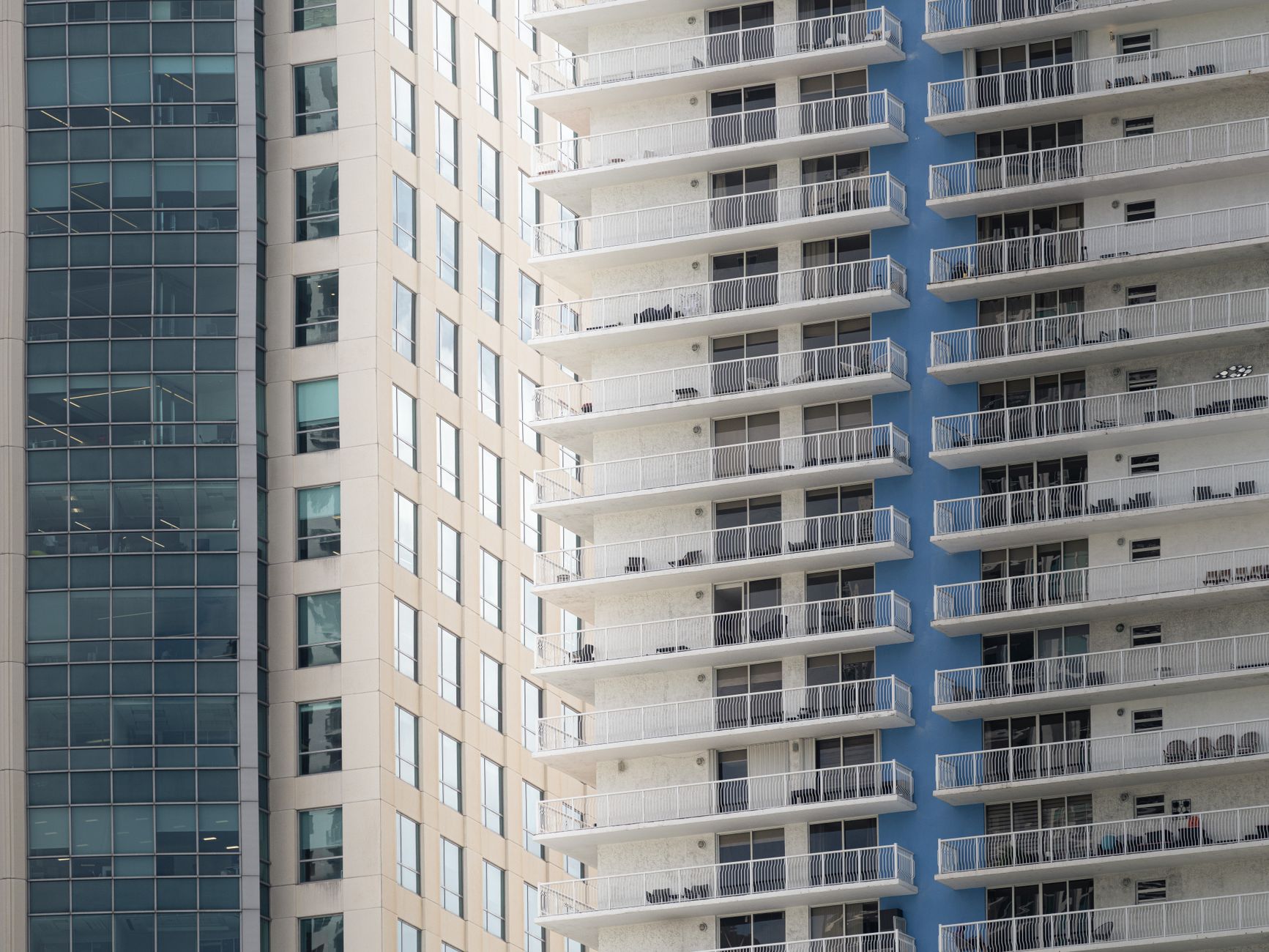
Florida's dynamic real estate markets—from Miami and Orlando to Daytona Beach and Winter Park—offer diverse opportunities for investors, developers and commercial property owners. For those seeking business-purpose capital, understanding how commercial real estate loans in Florida are underwritten can be the key to a successful deal.
As a private commercial lender, AFI reviews investor properties based on clear criteria covering collateral, leverage and exit strategy. This statewide overview answers investor questions, illustrates recent AFI transactions and clarifies what to expect when pursuing private commercial property financing in Florida.
Florida Commercial Financing Situations AFI Can Review
AFI Private Lenders considers business-purpose commercial real estate loans across the state of Florida. These loans are available for investors acquiring, refinancing, repositioning or recapitalizing properties held for commercial use, not primary residences. Typical borrowers include landlords, developers, and property owners in need of acquisition, bridge, or value-add funding in markets such as Miami, Orlando, Tampa, Jacksonville, Fort Lauderdale, Boca Raton, and the Gulf Coast. Each scenario is carefully reviewed for risk, collateral type, leverage requested and repayment plans.
How Private Commercial Underwriting Differs from Conventional Bank Underwriting
Unlike traditional banks, Florida commercial hard money lenders such as AFI use different qualifying standards. The lender primarily evaluates the business purpose, property collateral, and the borrower's plan to repay (the exit strategy). While creditworthiness is considered, it is not the sole determining factor—especially on projects like fix-and-flip investments, where experience and property potential may carry more weight. Private commercial lenders in Florida typically offer a streamlined, asset-based evaluation compared to the document-heavy process of a conventional bank, making these loans attractive for unique or time-sensitive deals.
Verified AFI Examples in Daytona Beach and Winter Park
AFI has funded commercial real estate transactions in a range of Florida markets. For example, an investor in Daytona Beach leveraged a $190,000 commercial loan with a 10.50% interest rate and 65% leverage. In another transaction, a Winter Park property qualified for a $600,000 commercial loan at a 10.35% interest rate and 70% leverage. These examples reflect AFI’s ability to tailor business-purpose capital solutions within deal-specific parameters, meeting investor needs without disclosing property addresses or borrower identities.
Collateral, Leverage and Exit Strategy: The Essentials Behind AFI’s Approach
When assessing commercial property financing in Florida, AFI focuses on three fundamentals: collateral (the specific property type and quality), leverage (the loan amount relative to the property’s value or costs—recent deals have seen 65%-70% leverage), and exit strategy (the clear plan for repaying the loan, such as sale or refinance). Strong exit strategies, such as pre-arranged sales or bank take-out financing, can help strengthen a loan application. Properties with established income, robust sponsorship and clear business purpose stand a better chance of funding with private commercial lenders like AFI.
Acquisition, Bridge, Refinance and Value-Add Scenarios
AFI reviews a wide variety of commercial loan needs. Acquisition loans support investors seizing timely opportunities. Commercial bridge loans in Florida help with short-term transitions, such as waiting for long-term financing or stabilizing a property. Refinance requests may involve pulling out equity or restructuring existing debt. Value-add scenarios—such as renovations, repositionings or partial lease-ups—are also considered if the business plan, property type and market conditions align with AFI requirements. Investors should clearly present how loan proceeds will be used and their strategy for increasing or maintaining property value.
Information to Send for an Initial Review
To start the review process, Florida investors should prepare a concise loan summary including the intended property use, asset type, estimated value, required loan amount, expected leverage, and a description of their exit strategy. Supporting documents may include a recent appraisal or broker opinion of value, photos, and information on current property income, if any. For bridge or value-add financing, a clear project budget and timeline add confidence to a submission. The more clearly a borrower conveys their experience and business plan, the more efficiently AFI can evaluate the request. For additional guidance, investors can refer to AFI’s commercial loan program page.
Florida Markets AFI Can Review
AFI actively reviews loans across the state, with completed transactions in locales such as Daytona Beach and Winter Park. Investors from larger cities like Miami, Orlando, Tampa, Jacksonville, and Sarasota, as well as regional hubs including Fort Myers, Naples, Boca Raton, and Port St. Lucie, can have deals considered as long as they meet business-purpose loan criteria. The statewide reach encompasses nearly every commercial market—urban, suburban and coastal—enabling more investor flexibility in property type and location.
Trade-Offs and Underwriting Limitations
Private commercial real estate lenders offer solutions where conventional bank loans may fall short, but there are important trade-offs. Interest rates and leverage may vary based on risk, property condition, and sponsor track record—verified recent deals include loans at 10.50% and 10.35% interest with 65% and 70% leverage. Not all property types are eligible, and new construction or high-risk business models may require alternative structures or additional equity. While traditional credit scoring is not relied on heavily for qualifying fix-and-flip deals, investors should not expect guaranteed approval, particularly for first-time builders or highly speculative transactions. In some cases, conventional, SBA, or bank financing may better suit stabilized, owner-occupied, or low-leverage scenarios.
Real Estate Investor Financing FAQs
Are AFI commercial real estate loans in Florida available for all property types?
No. Eligibility depends on the specific property type, collateral strength, business purpose, and the proposed exit strategy. Each deal is reviewed individually.
Does AFI fund loans throughout Florida or only in major metro areas?
AFI can review commercial real estate loans across the state, including major cities and regional markets such as Daytona Beach, Winter Park, Miami, Tampa, and Naples.
How is leverage determined for AFI commercial loans?
Leverage is set based on risk, property value, business plan and underwriting. Past funded deals have included 65% and 70% leverage terms.
What does AFI look for in an exit strategy?
A clear, realistic plan for repaying the loan—such as resale, refinance with a bank, or stabilized cash flow—is essential for approval. Stronger exit strategies improve funding chances.
Is traditional credit checked for AFI business-purpose commercial loans?
Credit is considered but is not the primary factor—especially for fix-and-flip or bridge scenarios. Collateral and exit plan are often more important.
Are quick closings guaranteed with AFI commercial bridge loans?
While AFI strives for efficient underwriting, no specific closing timelines or guarantees are stated. Speed depends on factors like property type and documentation provided.
What documents should be submitted when applying for a Florida commercial loan with AFI?
Investors should send a summary of the deal, property details, requested loan amount, business purpose, leverage, exit strategy and supporting documents like appraisals or rent rolls.
Have a Florida investment property to finance?
Send the property address, requested loan amount, property type and investment plan for an initial review.