
A complete guide to organizing your fix and flip loan request in Palm Beach County, with essential tips on scope, basis, draws, contingency, and exit strategy.
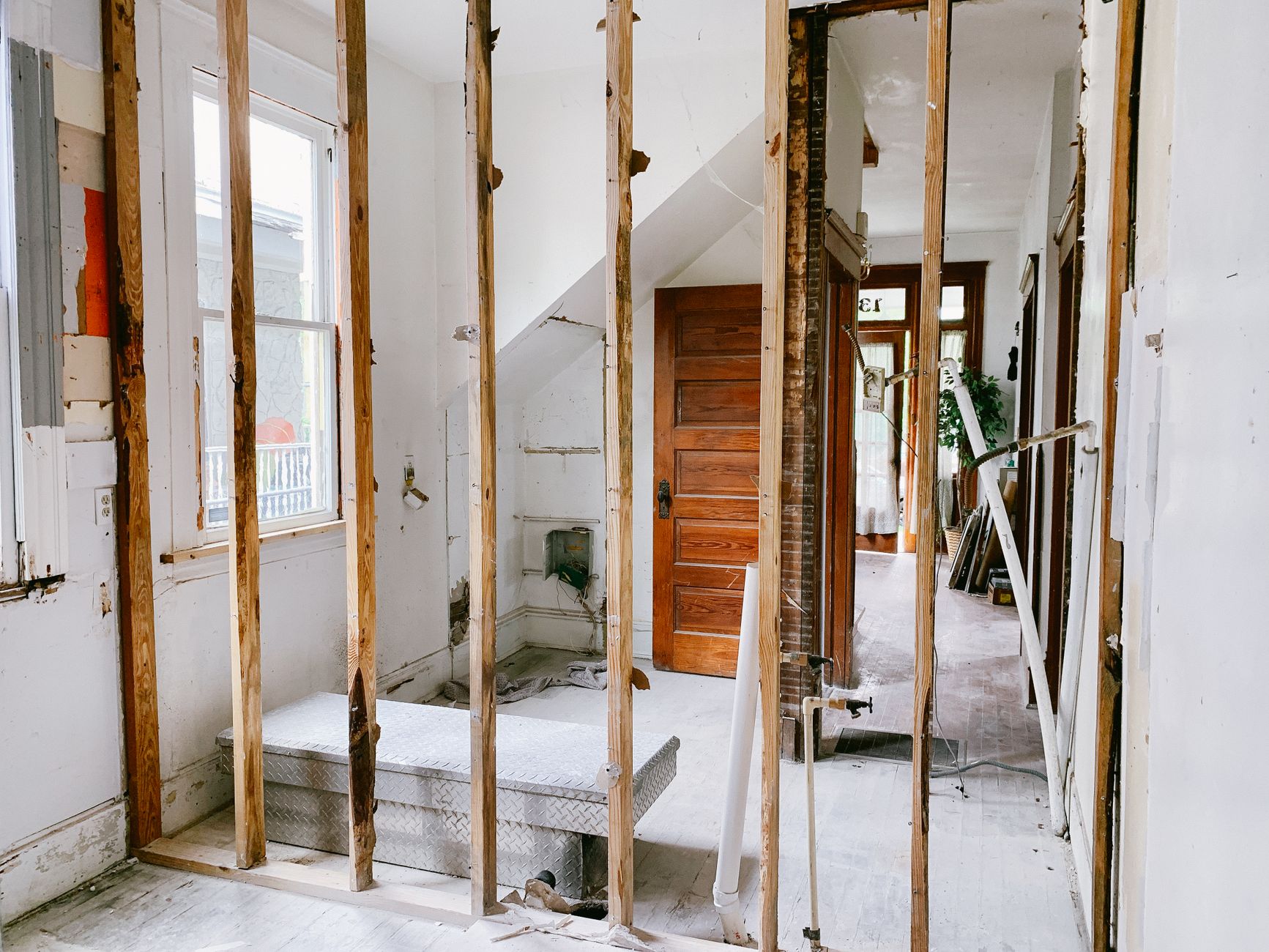
Palm Beach County's dynamic real estate market attracts investors looking to reposition properties with strategic renovations. When timing and execution are critical, fix and flip loans in Palm Beach County provide business-purpose capital specifically designed to fuel investment property rehabs.
Whether you're tackling a single-family flip in Jupiter or a multifamily renovation near West Palm Beach, aligning your rehab financing request with lender expectations can speed deals and reduce surprises. This guide shows investors how to prepare a compelling loan submission for AFI Private Lenders—before sending your next project for review.
How Fix-and-Flip Financing Is Evaluated in Palm Beach County
Unlike traditional mortgages, fix and flip loans Palm Beach County investors use are based on the value-added potential of your project. Lenders like AFI Private Lenders consider the property itself, your planned renovations, project budget, overall leverage, your experience, and—critically—how you intend to exit the deal. Each component of your deal package is reviewed together so that both you and your lender can assess true risk and reward.
This means your complete presentation matters more than just your credit score. Be ready to detail your business plan, demonstrate local knowledge, and show how you’ll mitigate renovation and carrying risks from Lake Worth Beach to Palm Beach Gardens.
Purchase Price, Current Condition and Renovation Scope
To build your financing case, start by clarifying key facts: What is the property’s current physical and legal condition? Is it a dated single family in Delray Beach, a triplex in Boynton Beach, or a condominium conversion in Boca Raton? Lenders want a clear purchase price, evidence of market value, and a detailed scope of your rehab work. Outline which items are cosmetic, which address major systems, and which may require local building permits or code compliance. The more specific your scope and basis, the more confidently the lender can evaluate your project’s viability within Palm Beach County's varied neighborhoods.
Why the Property and Project Can Matter More Than Traditional Credit Scoring
AFI Private Lenders does not rely heavily on traditional credit scoring for qualifying fix-and-flip loans. Instead, the fundamentals of your project—property type, acquisition basis, renovation plan, and anticipated after-repair value—are central to underwriting decisions. For instance, a well-located house in Wellington with a carefully structured rehab plan may trump a higher credit score on a riskier deal elsewhere. Your real estate experience and your team's track record also play key roles. The goal is to align the capital stack with the strengths of your specific investment, not just your personal FICO number.
Rehab Budget, Contractor Planning and Construction Draws
Your success depends on building a transparent and well-structured rehab budget with clear line items. Work with licensed contractors or established construction teams to provide written bids or scope-of-work breakdowns. AFI expects a practical approach to construction draw schedules, where you set defined milestones—typically, work is inspected before each draw is released, per loan documents and underwriting. Be conservative with your timeline and budget; underestimating either can create cash flow challenges mid-project, especially in high-demand markets like North Palm Beach or Royal Palm Beach. Proper documentation and realistic planning help keep projects on track and draw requests smooth.
Borrower Liquidity, Contingency and Carrying Costs
Even with competitive leverage, you will need cash reserves to cover shortfalls, unexpected repairs, or delays. Investors frequently overlook carrying costs in Palm Beach County—insurance, utilities, taxes, and interest can add up quickly if resale or refinance takes longer than planned. It’s wise to show AFI you have a contingency fund alongside well-budgeted monthly holding costs. Your ability to sustain the project through slow periods or construction surprises is a sign of professional risk management that lenders value highly.
Exit Strategy: Resale, Refinance or Rental Conversion
Your repayment plan—or exit strategy—is as important as the acquisition and rehab. Whether you’re flipping a home in Loxahatchee for immediate resale, converting a multifamily in Riviera Beach to long-term rentals, or plan to refinance into permanent financing, be specific. Share realistic market comps, marketing timelines, and backup plans. Lenders know that market conditions in Palm Beach County can shift; a dual-exit strategy (sale or rental) often strengthens your request. Sensitivity to possible exit delays or price changes demonstrates you’ve thought through real-world risks and have flexibility if conditions change.
What to Send AFI for an Initial Review
Before submitting your investment property renovation loans Palm Beach County application to AFI, assemble a clear project summary. At minimum, include:
- Purchase contract and any relevant addenda
- Photos or inspection reports showing property condition
- Detailed scope of work and rehab budget
- Itemized list of expected carrying costs
- Evidence of your liquidity and contingency planning
- Your exit strategy, with supporting comps or rental projections
- Any permits, contractor bids, or plans you already have
When Another Financing Option May Be a Better Fit
Not every project is ideal for private money fix and flip Palm Beach County programs. If you lack renovation experience, need minimal leverage, or are looking to hold property long-term with little rehab, conventional or bank options may offer better pricing, albeit with more documentation and longer approval times. Large-scale commercial conversions or highly specialized renovations in markets like Palm Beach or Jupiter may benefit from alternative lending structures that allow for longer terms or custom disbursement mechanics. Evaluate the specifics of your deal—both the opportunity and your own capital stack—to choose the financing path that aligns best with your strengths, risk tolerance, and investment goals.
Real Estate Investor Financing FAQs
How quickly can I get a fix and flip loan approved in Palm Beach County?
Approval timelines vary depending on project complexity and documentation. Having your purchase contract, scope, budget, and exit plan organized will help expedite the process.
Does my personal credit score matter for AFI fix and flip loans?
Traditional credit scoring is not heavily relied upon for qualifying fix-and-flip loans. The property, scope, budget, leverage, and your experience carry more weight in underwriting.
What types of properties qualify for rehab loans Palm Beach County Florida?
Qualifying properties are generally investment real estate such as single-family, multifamily, and select commercial assets. Each project is subject to AFI’s underwriting standards.
Can I use hard money rehab loans Palm Beach County for a buy-and-hold strategy?
Fix-and-flip and rehab loans are typically short-term, business-purpose solutions. Long-term holds often require refinancing or a different loan structure for optimal terms.
What documents make my application stronger?
A detailed purchase agreement, itemized rehab budget, contractor information, evidence of funds, property photos, and your exit strategy all contribute to a stronger submission.
Are draws based on construction milestones?
Yes. Construction draws are typically tied to defined work milestones and verified by inspections and documentation as outlined in the loan agreement.
Should I check for permit or zoning requirements myself?
Absolutely. Always verify permitting, title, code, zoning, flood, and insurance requirements directly with qualified professionals and the correct Palm Beach County jurisdiction before starting renovations.
Have a Palm Beach County investment property to finance?
Send the property address, requested loan amount, property type and investment plan for an initial review.