Explore a Tampa-focused guide to fix and flip loans for investors seeking to acquire, renovate, or reposition properties in Tampa and Hillsborough County.
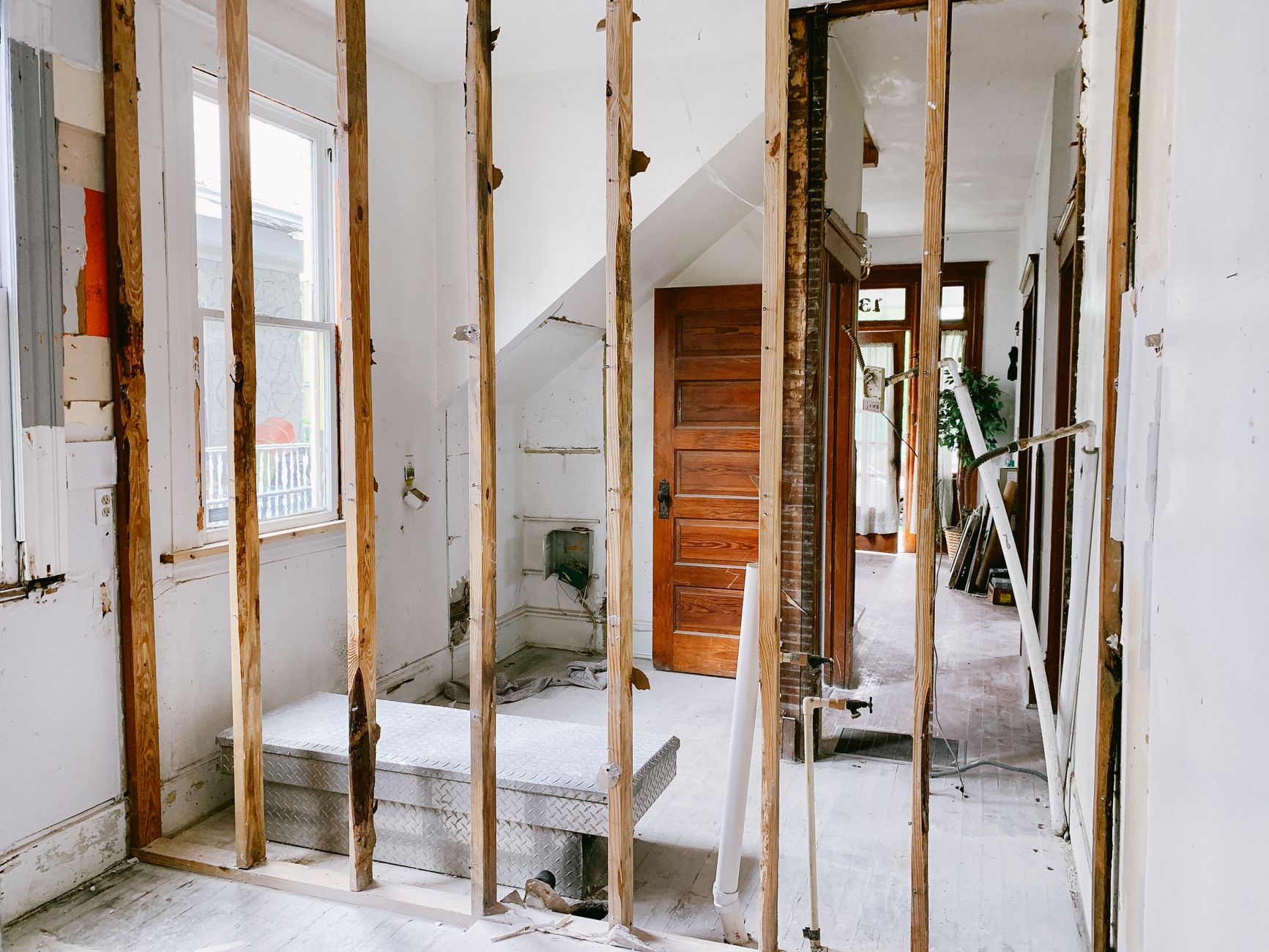
Fix and flip loans in Tampa, Florida, play a pivotal role in the city's vibrant real estate investment scene. From the heart of Tampa to communities like Brandon and Temple Terrace, local investors often seek short-term financing to acquire, renovate, or reposition residential and mixed-use properties.
This guide examines how Tampa fix and flip loans are evaluated, what local investors should know about qualifying, and how AFI Private Lenders approaches property-centered underwriting for Tampa Bay and nearby Hillsborough County markets.
How Fix-and-Flip Financing Is Evaluated in Tampa
AFI Private Lenders looks beyond traditional credit scores when assessing fix and flip loan requests in Tampa. Instead, the property itself, the investor’s plan, and the feasibility of the proposed renovation take priority. Each project, whether in South Tampa, Plant City, or Riverview, is evaluated on its merits—with special attention paid to the type, age, and location of the investment property.
How well the project aligns with Tampa’s market conditions, the track record of the investor, and a clear plan for upgrades or repositioning all play central roles. Local knowledge can be an asset, as AFI’s underwriting team considers both the current state and the potential value of each property in context with comparable sales and rentals in Tampa Bay.
Purchase Price, Current Condition and Renovation Scope
In Tampa, the initial purchase price and property condition are foundational to a successful fix and flip project. Whether it’s a 1920s bungalow in Seminole Heights or a brick duplex in Lutz, accurately estimating renovation costs is critical. AFI Private Lenders reviews the purchase contract, existing property condition, and the proposed scope of work to assess project viability and risk.
Properties in established neighborhoods like Carrollwood or Temple Terrace may offer unique value-add opportunities, but undetected issues with structural, environmental, or permitting can derail budgets. AFI expects investors to provide realistic renovation plans that address both visible needs and hidden challenges, minimizing surprises that could disrupt timelines or financing.
Why the Property and Project Often Matter More than Traditional Credit Scoring
For qualifying Tampa fix and flip loans, AFI does not rely heavily on traditional credit scoring. Instead, emphasis is placed on the property’s potential, the investor’s business strategy, and project feasibility. This property-first approach can be especially beneficial for experienced renovators and Tampa Bay operators looking to scale, reposition, or improve properties regardless of small blemishes in personal credit histories.
By prioritizing the address, plan, and investment strategy over credit alone, AFI helps ensure that the project—rather than a formulaic score—drives lending decisions. However, borrowers should understand that all loans remain subject to underwriting and not every property or investor will qualify.
Rehab Budget, Contractor Planning and Construction Draws
Successful fix and flip projects in Tampa hinge on a clear, well-documented rehab budget and a reliable contractor plan. AFI Private Lenders wants to see detailed breakdowns of anticipated costs, contractor bids, and timelines specific to the project's local context—whether it’s a light cosmetic update in Brandon or a full gut renovation in downtown Tampa.
For qualifying projects, the construction draw process is designed to be straightforward and practical, subject to documentation, reasonable budgets, periodic inspections, and ongoing underwriting requirements. Setting aside proper contingencies and working with experienced local contractors can reduce delays and support timely draw approvals.
Borrower Liquidity, Contingency and Carrying Costs
A robust contingency reserve and adequate liquidity are essential, especially given variable rehab costs and market fluctuations in Tampa and greater Hillsborough County. AFI evaluates an investor’s available funds to cover repairs, monthly carrying costs, insurance, and any temporary cost overruns. Projects in areas with longer permit processes or older housing stock—such as parts of Plant City or Ybor City—may demand larger budgets for surprises.
Banks or alternative lenders may prioritize personal net worth or income, but AFI’s focus remains on ensuring there’s enough liquidity to support the business-purpose venture from acquisition through completion and exit.
Exit Strategy: Resale, Refinance or Rental Conversion
Whether in Lutz, Riverview, or core Tampa neighborhoods, a clear exit strategy is crucial. Will the property be resold to an owner-occupant, held as a stabilized rental, or refinanced into long-term debt? AFI wants to see a logical business plan designed for Tampa’s demand trends and pricing realities, not just a generic resale timeline.
For example, certain Tampa neighborhoods may offer stronger returns for rental conversions, while others may be ideal for quick resales. A credible exit plan helps mitigate risk for both the investor and lender, supporting a smoother overall loan process.
What to Send AFI for an Initial Review
To begin the process for Tampa fix and flip loans, investors should prepare a clear summary of the target property, including the purchase contract, photos, renovation scope, contractor estimates, and updated market comps. AFI also recommends providing a project budget, business entity info, and a short summary of your experience in the Tampa Bay market or similar projects.
The more clearly you outline your strategy—such as repositioning a South Tampa multifamily or upgrading a Brandon townhouse—the more efficiently your application can be reviewed and moved to underwriting.
When Another Financing Option May Be a Better Fit
Not every real estate investment in Tampa or Hillsborough County is well-suited to fix and flip financing. Newer investors without renovation experience, plans with unclear scopes or budget gaps, and rental properties better served by long-term loans may all require alternative solutions.
Banks, credit unions, or agency lenders might be a better fit for stabilized rental properties or when the project timeline and funding needs do not align with a short-term business-purpose loan. Discussing your broader investment strategy with AFI can help ensure you’re matched with the right financing path for your unique Tampa Bay project.
Real Estate Investor Financing FAQs
What kinds of Tampa properties can qualify for fix and flip loans?
Eligible properties may include single-family homes, small multifamily, or mixed-use buildings intended for business-purpose investment and renovation.
Do I need perfect credit to qualify for Tampa fix and flip loans?
No. AFI does not rely heavily on traditional credit scoring. The property, project, and your plan are central to the approval process.
Can first-time investors get approved for fix and flip loans in Hillsborough County?
Experience is important. While first-time investors are not automatically disqualified, demonstrated planning and realistic budgets are reviewed closely.
How does the construction draw process work with AFI in Tampa?
Draws are made based on completed work, documented inspections, and underwriting requirements, with the process designed to be straightforward for qualifying projects.
Is it possible to use fix and flip loans for rental property conversions?
Yes, as long as the business plan and exit strategy account for this approach and meet AFI's underwriting and project viability standards.
What documents are needed for an initial loan review by AFI?
Prepare the purchase contract, property details, renovation plan, budget, market comps, contractor info, and a summary of your project experience.
Have a Tampa investment property to finance?
Send the property address, requested loan amount, property type and investment plan for an initial review.