Explore how Tampa commercial real estate loans are evaluated for investment properties, including acquisitions, renovations, rentals and repositioning opportunities.
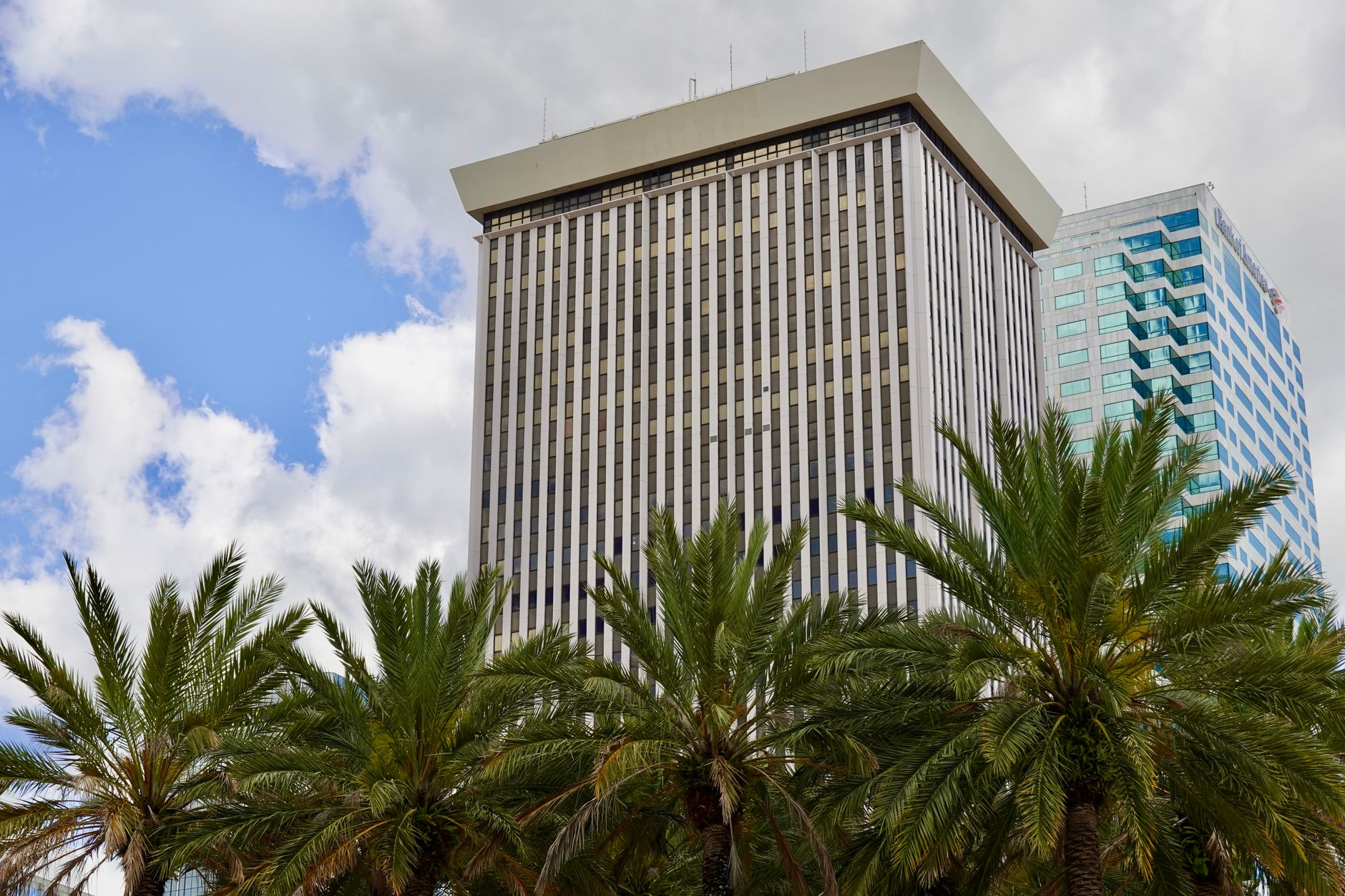
Tampa's commercial real estate market offers a dynamic blend of investment opportunities—ranging from urban office buildings along Kennedy Boulevard to multifamily developments in Brandon, retail centers near the airport, and adaptive reuse projects across Hillsborough County. Tampa investors, developers, landlords and operators navigating this fast-evolving market may find traditional bank loan criteria ill-suited to the pace and creativity required for value-add and repositioning projects.
This Tampa-specific guide explains how qualifying requests for Tampa commercial real estate loans are evaluated by AFI Private Lenders and similar private lenders, covering the types of properties considered, underwriting factors, and how investors can align their projects with commercial financing options for acquisitions, renovations, rental income properties and repositioning efforts throughout Tampa Bay communities.
Commercial property situations AFI can review
AFI Private Lenders evaluates business-purpose loan requests for a range of Tampa commercial real estate investments. Investors may seek financing for acquiring office buildings in downtown Tampa, repositioning underperforming retail centers in Carrollwood, or renovating multifamily assets in Temple Terrace. Commonly considered property types include: mixed-use, light industrial, warehousing, hospitality properties, and income-producing or value-add commercial buildings.
Projects in nearby Hillsborough County areas including Brandon, Riverview, Lutz and Plant City are also eligible for evaluation, provided the loan is for a business use and the property is not owner-occupied for residential purposes. AFI is positioned to consider both stabilized properties and those requiring improvements or repositioning, provided the underlying collateral, borrower experience and exit plan align with prudent lending practices.
Acquisition, refinance, bridge and repositioning scenarios
Tampa investors frequently seek Tampa commercial real estate loans for four primary scenarios. Acquisition loans can support the purchase of properties that require capital improvements, tenant repositioning, or strategic upgrades. Bridge loans are useful where an investor needs interim capital to transition a property from one use to another, such as converting a low-occupancy retail strip in Riverview into a mixed-use center. Refinancing can enable owners to unlock equity after renovation or take out existing debt coming due. Repositioning loans support renovations, lease-ups or strategic upgrades to achieve higher rental income and long-term value.
Each scenario is evaluated on its own merits—AFI considers property type, asset quality and the investor’s strategy, without rigidly adhering to traditional bank requirements. This flexibility supports the sort of opportunistic acquisitions and value-add plays often seen in evolving areas across Tampa Bay, including neighborhoods seeing revitalization or population growth.
Collateral quality, occupancy and property condition
One of the first assessment steps is understanding the property’s collateral profile. In Tampa’s commercial market, buildings range from stabilized, high-occupancy assets on Westshore Boulevard to transitional properties undergoing improvements or awaiting new tenants in suburban submarkets. AFI’s review includes the asset’s current condition, market position, tenancy and overall viability as loan collateral.
Properties with strong locations, clear upside potential, or a compelling improvement plan may be considered, even if they are not currently fully leased or require cosmetic/heavy renovations. However, properties with significant deferred maintenance, unclear title, or mismatched use may be less likely to qualify without a strong mitigating business plan and proven sponsor experience.
Tenant, lease and business-plan information
For Tampa commercial real estate loans, comprehensive lease and tenant information is essential during underwriting. If the asset is income-producing—such as an occupied industrial building near the Selmon Expressway or a medical office building serving South Tampa—AFI will request rent rolls, tenant quality, lease terms and expiration dates.
For transitional projects, the business plan is key. Investors should be prepared to explain how they intend to improve occupancy, reposition tenant mix, or renovate structures. Upfront clarity on capital improvements, marketing strategy, and tenant targeting in changing neighborhoods like Seminole Heights or rebounding retail corridors is critical to a complete financing submission.
Leverage, capital improvements and borrower equity
In evaluating Tampa investment property loans, AFI considers how much leverage is appropriate based on the property’s current and projected value, the investor’s equity in the project, and the nature of capital improvements planned. While traditional credit scoring is not heavily relied on for fix-and-flip or value-add loans, borrower experience, track record, and demonstrated skin in the game remain important factors. Substantial borrower equity and cash toward renovations signal commitment and help align interests.
When planning significant upgrades to an older retail center in Plant City or a conversion project in Lutz, a detailed improvement budget increases the likelihood of fit. Well-articulated capital plans, showing clear uses of funds and measurable outcomes, help align leverage with the sponsor’s ability to execute the project’s business plan.
Exit strategy and loan-duration planning
Every successful Tampa commercial real estate loan hinges on a realistic exit strategy. For bridge and repositioning projects, this might mean refinancing into a longer-term loan following stabilization, selling after improvements, or transitioning to permanent financing once new tenants are secured. In certain cases, an experienced operator may plan to increase rents in a multifamily property and sell upon value enhancement.
AFI examines the borrower’s timeline, market dynamics in targeted Tampa submarkets, and project feasibility when assessing exit strategies. Successful execution depends on both property fundamentals and the sponsor’s proven ability to deliver on the proposed business plan—critical to both loan approval and eventual property performance.
What to send for a commercial financing review
To evaluate a Tampa commercial loan request, investors should be ready to present a detailed loan summary, proof of business purpose, recent property photos, rent rolls (if leased), purchase contract (for acquisitions), budget/plan for capital improvements, and company background or prior project experience. AFI also typically asks for financials supporting equity investment and borrower background to align risk and project plans.
For transitional assets in nearby communities like Brandon, property-specific detail and a thorough improvement plan are especially important. The more comprehensive and organized the submission, the faster and more accurately AFI can provide feedback or initial terms for review.
When bank or longer-term financing may be preferable
Though Tampa private lenders play a crucial role in facilitating acquisitions, improvements, and time-sensitive deals, certain investors may achieve lower costs or better long-term fit with bank financing. Owner-occupied buildings, stabilized assets with high occupancy, or projects with long-term holding strategies may qualify for conventional bank loans—a preferable route for some due to longer terms or potentially lower rates.
AFI Private Lenders is well-positioned for time-sensitive projects, complex repositioning, or value-add strategies where flexibility and speed are essential on Tampa investment property loans. However, it’s important for borrowers to weigh the benefits of private versus conventional loan structures for each project’s specific needs and long-term goals.
Real Estate Investor Financing FAQs
What types of Tampa commercial properties can AFI consider?
AFI reviews investment property loans for attributes such as office, retail, multifamily, mixed-use, light industrial, hospitality, and non-owner-occupied commercial real estate throughout Tampa and Hillsborough County.
Does AFI require traditional credit scoring for Tampa commercial real estate loans?
While credit is reviewed, traditional credit scoring is not heavily relied on for fix-and-flip or value-add project loans. Emphasis is placed on collateral strength, borrower experience, and business plan execution.
Can AFI finance renovation or repositioning projects in Hillsborough County?
Yes, qualifying projects involving renovations, improvements, or repositioning of commercial properties in Tampa and nearby communities may be considered based on business plan, collateral, and sponsor track record.
What should I include in a loan request for a Tampa commercial property?
Provide a project summary, proof of business purpose, property photos, leases or rent rolls, purchase contracts (when purchasing), capital improvement budget, and background for the company and principals.
Is AFI a good fit for stabilized, income-producing buildings?
AFI may review stabilized assets but these often also qualify for more traditional bank or agency loans. Investors should evaluate which capital source best matches their goals and timelines.
Can first-time investors or builders qualify?
While AFI can consider a range of borrower profiles, demonstrated real estate or construction experience, proven business plans, and sufficient equity are valuable when submitting a request.
Are properties in Brandon, Riverview or Temple Terrace eligible for AFI loans?
Yes, business-purpose commercial properties in most Tampa Bay communities, including Brandon, Riverview and Temple Terrace, can be evaluated if they meet AFI's underwriting criteria.
Have a Tampa investment property to finance?
Send the property address, requested loan amount, property type and investment plan for an initial review.