A guide for real estate investors exploring Pensacola hard money and bridge loans, detailing Northwest Florida-specific financing factors for investment properties.
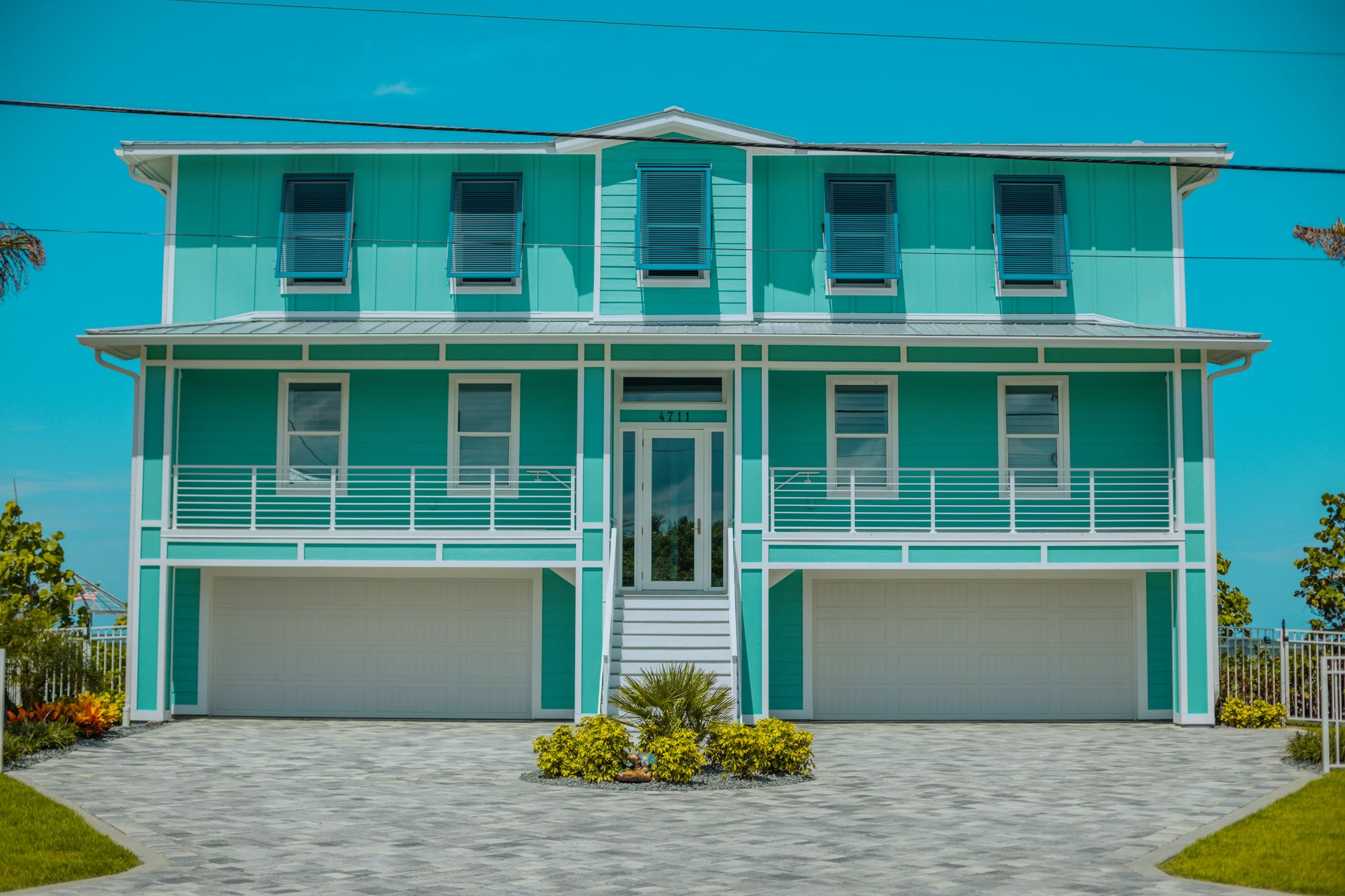
For real estate investors seeking to finance projects in Pensacola, Escambia County, or the neighboring communities of Gulf Breeze, Pace, and Milton, access to short-term capital is essential for success. Pensacola hard money and bridge loans can be valuable tools for acquiring, renovating, or repositioning investment properties while managing project timelines and budgets.
This guide examines how Northwest Florida investors can leverage these loans, focusing on local underwriting differences, project budgeting, and evaluating property risk. Whether you target single-family flips in Pensacola or small commercial transitions in Milton, understanding how business-purpose bridge financing is considered will help you build a stronger foundation for your next deal.
When Investors Use Short-Term Bridge Financing
Short-term bridge loans are commonly used by real estate investors, builders, and landlords pursuing opportunistic acquisitions or repositioning projects in Pensacola and the surrounding areas. Bridge financing can provide needed capital to close quickly on properties that require improvements or stabilization before qualifying for longer-term financing. In Escambia County, investors often turn to bridge loans for situations where traditional lenders may have limitations, such as competitive purchase scenarios or non-stabilized rental property acquisitions.
Acquisition, Refinance and Transitional-Property Situations
Pensacola investment property loans structured as bridge loans can address unique scenarios. For acquisitions, these loans are often used when buyers need to act fast or purchase properties with deferred maintenance, partial occupancy, or title complexities. Bridge loans also support value-add strategies—allowing investors to pull cash out through refinance of recently improved properties or to stabilize a property’s income before transitioning to permanent financing. In areas like Pace or Gulf Breeze, bridge loans may help fund transitional uses, such as converting older homes or small commercial spaces for updated, higher-value purposes.
Collateral, Leverage and Property-Condition Considerations
AFI Private Lenders evaluates Pensacola hard money and bridge loans based on the value and condition of the investment property used as collateral. Properties with significant deferred maintenance, code violations, or structural challenges may present additional risk, influencing leverage and underwriting conditions. In Escambia County, older housing stock or hurricane-exposed properties can affect loan sizing. Leverage is determined in part by the underlying asset’s current and projected value, but also by a careful assessment of property condition and the specifics of the business plan.
How Timing Affects a Bridge-Loan Request
Timing is a critical aspect of bridge financing in Pensacola and Northwest Florida. Investors may use bridge loans to secure a property ahead of planned renovations or leasing activity. However, the project timeline—from purchase or initial refinance through renovation, leasing, and ultimate sale or refinance—directly impacts loan structuring and risk. Delays due to contractor availability, permitting, or weather disruptions typical to coastal Northwest Florida can affect carrying costs and maturity planning. Lenders like AFI consider whether your timeline and exit strategy are realistic based on current local market dynamics.
Carrying Costs, Maturity Risk and Interest Expense
Unlike a conventional mortgage, bridge loans are designed for short terms and carry higher interest rates due to their increased risk profile. In the Pensacola market, carrying costs include interest expense, property taxes, insurance, utilities, and ongoing maintenance while the project is under way. Because delays can increase these costs, investors should budget conservatively for both fixed and variable expenses. Planning for maturity risk means factoring in the possibility that stabilization or property sale might take longer than projected, particularly for distressed or transitional assets in older neighborhoods.
Building a Realistic Payoff or Refinance Plan
A successful bridge loan exit in Escambia County hinges on having a clear payoff plan—whether through a property sale, conventional refinance, or permanent financing. Investors should research local resale values, lender appetite for stabilized assets, and potential tenant demand. The best plans anticipate hurdles, such as extended renovation timelines or imperfect lease-up scenarios. Lenders like AFI pay close attention to an investor’s articulation of the exit strategy and evidence that proceeds from either a sale or refinance will be available before the loan’s maturity date.
What to Submit for an Initial Bridge Review
For Pensacola private lenders such as AFI, the initial review of a bridge loan request centers around collateral, transaction structure, and the borrower’s business plan. Investors should prepare a detailed project budget, clear description of the intended renovations or stabilization plan, recent property photos, and evidence of market value or comps. A strong initial package will highlight local market knowledge and a realistic schedule. While AFI does not rely heavily on traditional credit scoring for qualifying fix-and-flip borrowers, investors should still demonstrate financial capacity and relevant experience.
When Conventional Financing May Fit Better
Bridge loans are not suitable for every investment scenario in Pensacola and the surrounding Northwest Florida region. Properties that are already stabilized, leased, and meet conventional underwriting requirements may be better candidates for traditional bank loans or government-backed investor mortgages. These alternatives often offer lower rates and longer terms. Investors who have sufficient lead time for closing and do not require flexible structuring—or those uncomfortable with higher carrying costs—should carefully compare all options before moving forward with a bridge loan solution.
Real Estate Investor Financing FAQs
What types of properties qualify for Pensacola hard money and bridge loans?
Investment properties—including single-family homes, small multifamily, and some commercial real estate—in Pensacola and Escambia County may qualify subject to condition, project plan, and collateral.
Do Pensacola private lenders require strong personal credit for bridge loans?
Traditional credit scoring is not heavily emphasized for most fix-and-flip requests, though financial capacity and project experience are considered.
Can I finance a property purchase in Gulf Breeze or Milton with a bridge loan?
Yes, business-purpose bridge loans may be considered for investment properties in nearby Escambia County communities such as Gulf Breeze and Milton, based on property and project fit.
How do Pensacola hard money lenders handle properties needing major repairs?
Properties with significant repairs may qualify but are reviewed closely for risk, collateral value, and the investor's renovation plan and exit strategy.
Are bridge loan proceeds available for both purchase and refinance situations?
Yes, bridge loans can be used for both property acquisitions and certain refinance or cash-out situations, depending on the specifics of the transaction.
What documentation is required for an initial bridge loan review?
A project budget, renovation or stabilization plan, recent property photos, market comps, and evidence of the investor’s financial strength are typically needed.
When might conventional financing work better than a bridge loan?
Conventional loans are often a better fit for stabilized, lease-ready properties that meet standard underwriting and don't require rapid closing or flexible terms.
Have a Pensacola investment property to finance?
Send the property address, requested loan amount, property type and investment plan for an initial review.