Explore how AFI Private Lenders evaluates Jacksonville commercial real estate loans for investor projects in Northeast Florida. Learn key review factors and common scenarios.
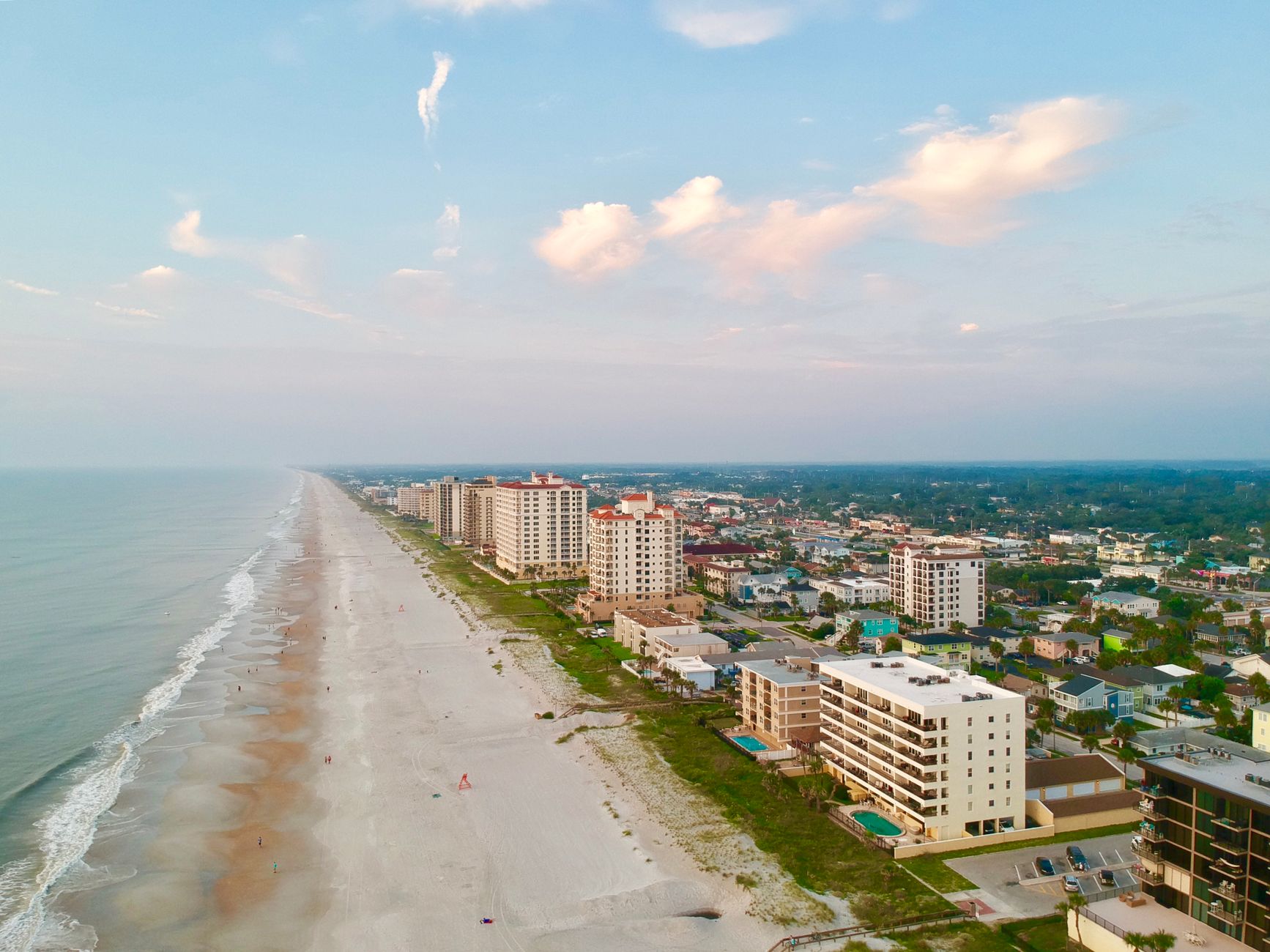
Jacksonville's dynamic commercial property sector is drawing investors seeking flexible financing solutions for a wide variety of projects. From multifamily rentals on the St. Johns River to mixed-use opportunities near Jacksonville Beach, investors need a financing partner attuned to Northeast Florida's real estate landscape.
Understanding how Jacksonville commercial real estate loans are evaluated can help local investors, landlords, and developers prepare stronger applications, make informed choices on property acquisitions, and use private capital to complement—or sometimes replace—traditional bank financing.
Commercial Property Situations AFI Can Review
AFI Private Lenders considers a broad range of business-purpose real estate scenarios across Jacksonville and Duval County. Projects may include retail buildings along Atlantic Boulevard, garden-style apartment complexes in Arlington, or rental homes purchased for long-term hold. AFI evaluates both stabilized properties and those that require renovation or repositioning, always focused on viable business strategies and quality collateral. While each file is unique, typical Jacksonville investment property loans include purchases, refinance to access equity, or capital for lease-up and value-add improvements.
Acquisition, Refinance, Bridge and Repositioning Scenarios
Investor needs in Northeast Florida can range from acquiring a tenant-occupied strip mall in Mandarin to refinancing a portfolio of rental properties near Orange Park. Bridge financing is particularly useful for transitioning assets—such as acquiring a vacant property in Riverside and repositioning it for mixed-use tenants. AFI’s underwriting approach accounts for current property status and future plans, allowing flexibility for situations where bank lending may be limited. Each submission is individually reviewed for its commercial purpose and Duval County relevance.
Collateral Quality, Occupancy and Property Condition
Key qualities for Jacksonville commercial real estate loans include location, property condition, and marketability. Properties in Ponte Vedra Beach and Atlantic Beach are scrutinized not just for address, but also structural soundness and ongoing maintenance. Occupancy—whether existing or projected—can play a key role in risk evaluation, especially for income-producing assets. AFI looks for clear exit pathways and reserves deeper reviews for properties with deferred maintenance or functional obsolescence, ensuring the collateral aligns with regional investor demand and business plans.
Tenant, Lease and Business-Plan Information
For projects involving tenant income—such as local shopping centers or multifamily complexes—AFI will review current lease agreements, rent rolls, and future leasing plans. In Jacksonville's rapidly developing districts, well documented tenant histories and realistic income projections help clarify repayment prospects. Investors targeting value-add or lease-up strategies should prepare comprehensive business plans outlining renovation budgets, expected lease terms, and tenant sourcing plans, particularly for assets in transitioning neighborhoods or growth corridors.
Leverage, Capital Improvements and Borrower Equity
AFI considers leverage based on the type of project, asset class, and sponsor experience. For Jacksonville investment property loans, a borrower’s financial commitment—and the portion of their own capital at risk—can influence the amount of leverage considered. Projects needing substantial improvements, such as converting dated office space in Downtown Jacksonville to new mixed-use, should present clear renovation budgets and proof of additional funding sources when seeking higher leverage. Sponsors with market expertise and meaningful equity contributions often present stronger cases for business-purpose financing.
Exit Strategy and Loan-Duration Planning
Every successful commercial real estate loan in Jacksonville and Duval County is anchored by a well-defined exit strategy. Whether selling a repositioned asset in San Marco, refinancing stabilized apartments near Jacksonville University, or holding commercial space for lease, loan structure should match the project's timeline. AFI reviews exit plans for feasibility—considering local demand, property type, and anticipated stabilization—to gauge repayment prospects and structure loan durations appropriately. Investors should outline how improvements or lease-ups tie into their ultimate timeline for refinance or disposition.
What to Send for a Commercial Financing Review
Preparing a detailed package streamlines the loan review process. Key items for Jacksonville commercial real estate loans include property address, project summary, purchase or payoff details, renovation scope (if applicable), current photos, tenant and lease summaries, and the applicant’s experience and investment history. For rental or income properties, include recent rent rolls and tenant ledgers. An exit strategy and reasonably detailed business plan strengthen consideration, especially in competitive Northeast Florida markets.
When Bank or Longer-Term Financing May Be Preferable
Private lenders such as AFI fill an important role for investors who need to move quickly, renovate, or secure interim financing. However, traditional bank or agency loans may better suit stabilized, fully leased assets with longer investment horizons, especially for borrowers prioritizing long-term rate and term optimization. Projects with conforming tenant histories and minimal repositioning needs in areas like Jacksonville Beach or Ponte Vedra Beach may qualify for attractive institutional options. It’s wise to evaluate all available capital sources before committing, as the right structure depends on timeline, property goals, and project complexity.
Real Estate Investor Financing FAQs
What types of Jacksonville commercial real estate loans does AFI consider?
AFI considers business-purpose loans for a variety of investment properties, including retail, office, mixed-use, and residential rentals located in Jacksonville and Duval County.
How does AFI evaluate leverage for Jacksonville investment property loans?
Leverage is determined on a case-by-case basis, factoring in property type, borrower experience, and capital invested. Stronger business plans and more equity can support higher leverage.
Are private loans available for properties needing renovation or repositioning?
Yes, AFI can review loans for properties needing repairs, improvements, or a new leasing plan. Complete project details and renovation budgets are important for evaluation.
Do I need tenant leases for my Jacksonville commercial property loan application?
For income properties, providing leases, rent rolls, or business plans for tenanting vacant spaces helps clarify income potential and strengthens the application.
Where can Jacksonville investors use AFI commercial loans?
Eligible locations include Jacksonville, Jacksonville Beach, Atlantic Beach, Ponte Vedra Beach, Orange Park, and other Duval County communities.
What info should I include with my loan request?
Include property details, acquisition or payoff needs, renovation plans, current condition photos, tenant info (if applicable), and a clear exit strategy or business plan.
When is traditional bank financing a better fit?
Stabilized properties with strong occupancy, long-term holds, and borrowers seeking permanent financing may benefit from considering banks or agency lenders.
Have a Jacksonville investment property to finance?
Send the property address, requested loan amount, property type and investment plan for an initial review.