Discover how Homestead new construction loans can support local investment property projects, from lot acquisition to builder vetting and construction draws.
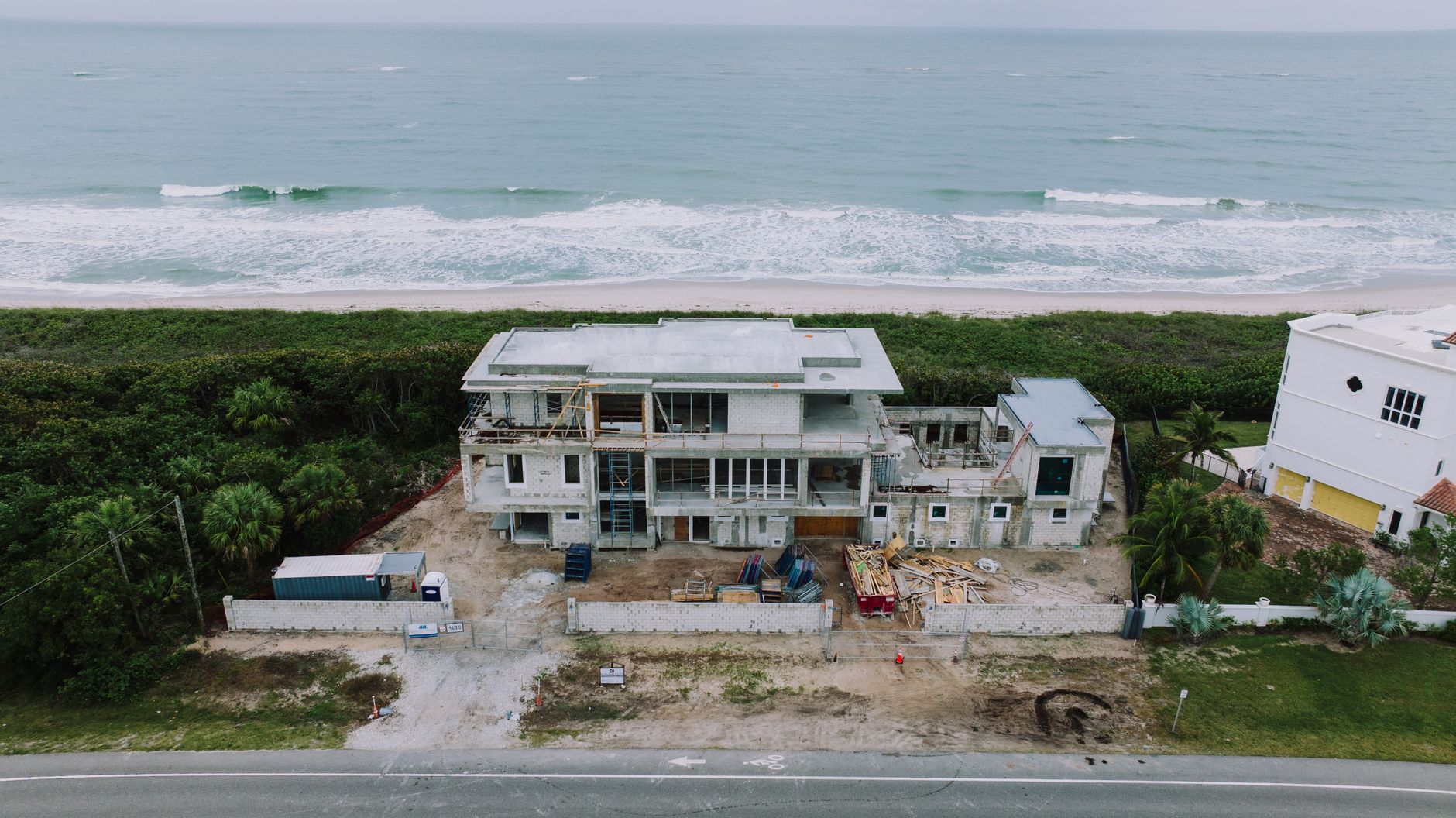
New construction activity is shaping the next wave of opportunity in Homestead and Miami-Dade County’s southern communities. For real estate investors, builders and landlords, understanding how Homestead new construction loans are evaluated is critical to project success.
This guide shows how smartly structured new build financing—as offered by private lenders like AFI—can create clarity and confidence for local investors. With distinct risk factors and exit plans to consider, Homestead investment property loans require both borrower preparation and lender alignment at each project stage.
What Makes a Ground-Up Construction Request Financeable?
The fundamental test of any Homestead new construction loans request is demonstrating that the project’s value justifies the proposed investment. Lenders, like AFI Private Lenders, look past paperwork to focus on business-use, sponsor experience and the credibility of the plan. This process seeks clear acquisition logic, a well-understood construction scope and realistic, local exit scenarios. Whether the investment is a single-family rental, a multi-unit build or a commercial project, factors like location, local demand, and alignment with market realities weigh heavily in the initial review.
Land, Plans, Permits and Project Readiness in Homestead
In South Miami-Dade communities such as Florida City or Cutler Bay, lenders will look closely at the status of land acquisition, site due diligence, zoning and permitting. For Homestead investment property loans to move forward, clear evidence of project readiness is essential. While AFI can consider requests where the land is being acquired with the construction loan, stronger submissions demonstrate environmental review, construction drawings and a realistic permitting timeline. Delays in obtaining local approvals or incomplete plan sets can significantly impact funding decisions.
Builder, General Contractor and Project-Team Considerations
Team strength is a central element when evaluating new construction loans in Homestead, Florida. AFI is open to first-time builders but places meaningful emphasis on each project’s team—especially the general contractor or construction manager. Experienced professionals with relevant South Florida build history add credibility, while inexperienced or unproven teams may require additional project detail or risk buffers. Proof of contractor licensing, insurance, and references are commonly reviewed during underwriting.
Budget Detail, Contingency and Borrower Liquidity
No two ground-up construction budgets are the same, but lenders and borrowers in Homestead must be particularly cautious about changes in material costs, labor rates and local development fees. AFI expects detailed, line-item budgets supported by competitive bids or estimates. A thoughtful contingency reserve is essential to absorb unforeseen overruns. In addition, demonstrating sufficient borrower liquidity or access to additional capital builds confidence that the project can remain solvent even under stress.
How Construction Draws Work After Closing
Unlike traditional long-term loans, Homestead private lenders like AFI structure new construction loans around milestone-based draw schedules. After closing, funds are released in tranches based on visible, verified progress—usually confirmed by third-party inspections and supporting documentation. AFI’s draw requests aim to be practical, with balances released as construction is completed subject to loan documents, inspections and underwriting requirements. Clear communication and timely reporting help prevent delays for both experienced builders and first-time project sponsors.
Schedule Risk, Cost Overruns and Change Orders
Most experienced Miami-Dade County real estate investor financing teams know that construction timelines nearly always face unforeseen schedule risk—ranging from weather delays to contractor issues. It’s important to budget for delay contingencies, clarify how change orders are tracked and approved, and document project supervision responsibilities. Lenders may require notification and approval for substantive mid-project changes, especially if they impact costs, design or overall project value. Realistic, well-documented plans help mitigate the risk of disruptions leading to funding holds or unexpected cost escalations.
Sale, Refinance and Rental-Stabilization Exits
Clearly articulated exit strategies define well-structured Homestead new construction loans. Most common approaches include resale upon completion, refinance into long-term rental financing, or holding until rental income achieves market stabilization. AFI reviews whether the proposed exit matches the local submarket—such as a sale in fast-growing subdivisions or a rental hold in established neighborhoods. The realism of projected values, absorption rates, and refinancing options all affect the lender’s willingness to commit capital. Local knowledge is vital: for example, what works in central Homestead may need to be adapted for Florida City or rural South Miami-Dade settings.
A Construction-Loan Submission Checklist for Homestead Investors
- Clear site control: Purchase agreement, recent title report or deed
- Permits and approvals status: Zoning, building permit submittals, environmental reviews if available
- Complete plans and budget: Drawings, line-item cost breakdown, realistic contingencies
- Project team credentials: Contractor licenses, insurance, qualifying resumes and references
- Borrower liquidity: Account statements or third-party capital commitments
- Exit strategy: Plan and market data justifying property resale, rental or refinance
- Other supporting documents: Project timeline, draw request plan, recent comparable sales or rent data
Preparing a thorough submission not only speeds up lender review but also surfaces issues early—helping investors in Homestead, Cutler Bay and beyond make confident project decisions.
Real Estate Investor Financing FAQs
What types of properties can qualify for Homestead new construction loans?
Eligible projects typically include ground-up builds of single-family rentals, small multifamily, townhomes, or commercial-use properties intended for investment or business purposes.
Do I need to own the land before applying for a new construction loan in Homestead?
Ownership or site control is important, but private lenders can consider financing land acquisition alongside construction if the deal structure and documentation are clear.
Can first-time builders get approved for new construction loans in Homestead?
AFI does consider requests from first-time builders; project quality, team strength, financials and plans remain critical for qualifying.
How are construction draws structured for Homestead investment property loans?
Draws are released based on construction progress, verified by inspection and documentation, according to the lender’s draw schedule and the loan agreement.
What happens if project costs exceed the original budget?
Lenders may require a contingency. Any overruns must be addressed by the borrower, as draw requests are typically capped to approved project budgets.
Is traditional credit scoring heavily relied on by AFI for new construction loan decisions?
Traditional credit scoring is not heavily relied on; instead, project strength, team, liquidity, and exit strategy are primary drivers in lending decisions.
What are common exit strategies for new construction projects in Homestead?
Typical exits include sale of the finished property, refinance into long-term rental loans, or holding until the asset is stabilized with market rents.
Have a Homestead investment property to finance?
Send the property address, requested loan amount, property type and investment plan for an initial review.