Explore how Homestead fix and flip loans are evaluated, from acquisition basis to exit strategies. Get a clear approach to project-focused investor financing.
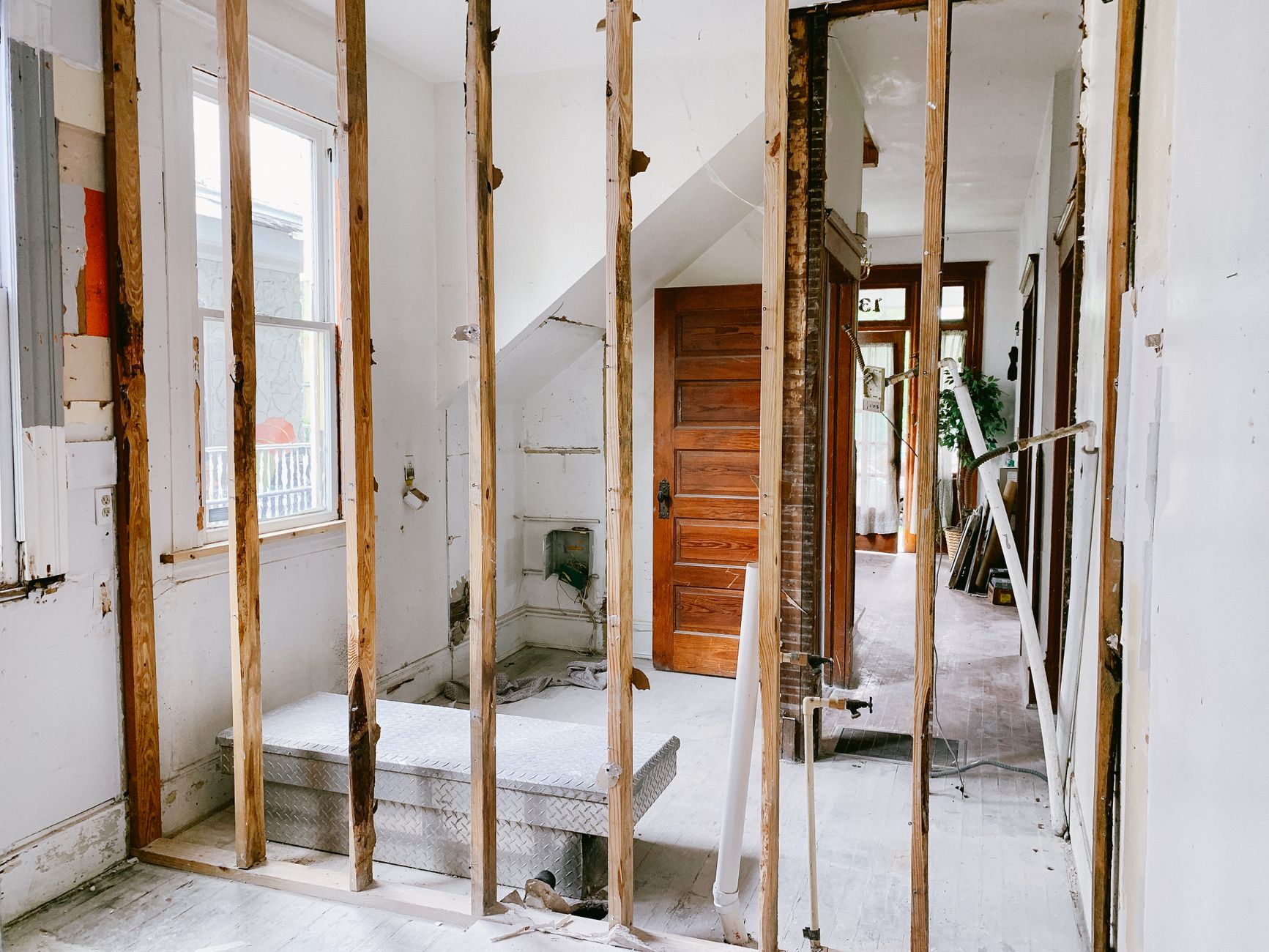
Homestead's residential and mixed-use properties continue to draw the attention of real estate investors seeking value-add opportunities in South Miami-Dade. For both seasoned builders and first-time investors, accessing the right financing is critical—especially when the project's acquisition cost, renovation needs, and planned resale or rental conversion play a decisive role.
In this guide, we break down how Homestead fix and flip loans are evaluated by private lenders such as AFI Private Lenders. Understanding local project risks, construction planning, and realistic exit strategies is essential for success in Homestead, Florida City, and other Miami-Dade County communities.
How fix-and-flip financing is evaluated in Homestead
Securing project financing in Homestead means more than just filling out a form; lenders like AFI Private Lenders review the complete investment picture. This includes the property’s acquisition basis, the renovation scope, and the potential for a successful exit. In Miami-Dade County, deal quality, borrower experience, and clear project plans often carry greater weight than traditional credit metrics. Local market knowledge and realistic budget forecasting matter, especially with Homestead’s varied property inventory and rapidly changing neighborhoods.
Purchase price, current condition, and renovation scope
One of the first questions for any Homestead investment property is whether the purchase price truly reflects the current condition and potential after repairs. Thorough due diligence—including an assessment of comparable sales in neighborhoods like Florida City or Cutler Bay—helps justify acquisition numbers. For a fix-and-flip loan request, private lenders focus on whether the planned renovation is necessary, well-defined, and appropriate for the property’s location and target market. Overestimating resale value or underbudgeting can stall a project, particularly in South Miami-Dade where demand and exit prices can vary block by block.
Why the property and project can matter more than traditional credit scoring
AFI Private Lenders does not rely heavily on traditional credit scoring for qualifying fix-and-flip loans. Instead, property quality, realistic scopes, leverage, and borrower experience are central to the underwriting process. In practical terms, this means a strong acquisition deal with a clear, achievable improvement plan and proven exit may offset a less-than-perfect credit score. In Homestead and neighboring areas, lenders are often more interested in how the proposed project fits local demand and risk than any single financial metric.
Rehab budget, contractor planning, and construction draws
Detailed, line-item rehab budgets help ensure that requested financing matches the real costs of labor and materials in Homestead and South Dade. Lenders seek documentation such as contractor agreements, scopes of work, and realistic allowances for contingencies. AFI aims to keep draw requests straightforward and practical for qualified projects, but all draws remain subject to loan documents, inspections, and underwriting. Clear plans help reduce friction and keep projects moving, especially where timelines or trade availability can shift quickly in South Florida.
Borrower liquidity, contingency reserves, and carrying costs
Lenders assess whether the investor has the liquidity to cover down payments, reserves, construction overruns, and ongoing carrying costs—such as taxes, insurance, and utilities—while the project is underway. In Homestead, where holding periods may fluctuate due to permitting, weather, or sales timing, lenders pay close attention to fund availability outside of the core loan proceeds. Successful borrowers demonstrate both access to contingency capital and a plan to handle extended timelines if the resale or refinance takes longer than projected.
Exit strategy: Resale, refinance, or rental conversion
Whether an investor plans to resell after renovations or convert to a rental, a credible exit strategy is essential from the outset. Homestead and Miami-Dade County offer varied exit opportunities, but lenders want to see proof that the exit is grounded in market reality—supported by sales comps, rental demand, or identified buyers. Clear documentation of how the project will be marketed, or if refinancing is the intended strategy, evidence of likely long-term financing options increases confidence in a project's success.
What to send AFI for an initial review
For an effective initial evaluation, investors should provide the purchase contract, a renovation budget, a contractor bid or scope, a summary of their project experience, and a statement describing the exit strategy. Property photos, sales comps from areas like Cutler Bay or Florida City, and documentation of borrower liquidity can help speed up the process. AFI Private Lenders uses this information to assess project fit, scope, and leverage needs—all before advancing to formal underwriting.
When another financing option may be a better fit
While Homestead fix-and-flip loans serve many business-purpose needs, not every property or investor will qualify. Projects involving very large construction budgets, unclear exit strategies, or significant deferred maintenance may require alternative financing solutions. Similarly, first-time builders or those lacking verifiable liquidity may need to build experience or consider joint venture partnerships before pursuing private lending. Traditional bank loans, partner capital, or institutional investment may be better suited for longer-term or less conventional strategies in certain cases. A lender familiar with Miami-Dade County can help determine which approach aligns best with the project and investor goals.
Real Estate Investor Financing FAQs
How do private lenders evaluate fix-and-flip projects in Homestead?
They focus on the property's purchase price, condition, rehab scope, and a credible exit plan rather than just credit scores.
Do I need strong credit to qualify for Homestead fix and flip loans?
Traditional credit scoring is not heavily relied on; project quality, leverage, experience, and the investment plan are most important.
What documents help start an evaluation with AFI Private Lenders?
Purchase contract, rehab budget, contractor scope, photos, comps, and proof of liquidity help speed up an initial review.
Can I use fix and flip loan proceeds for every type of property?
Loans are for business-purpose investment properties; some property types or major construction may require other financing options.
What areas does AFI Private Lenders serve beyond Homestead?
AFI provides private real estate financing across Florida, including Miami-Dade County communities such as Florida City and Cutler Bay.
How important is the rehab budget for loan approval?
A realistic, detailed budget is crucial. Lenders look for projects where renovation plans match local standards and property needs.
Have a Homestead investment property to finance?
Send the property address, requested loan amount, property type and investment plan for an initial review.