Explore how Fort Myers fix and flip loans are evaluated, what matters during underwriting, and how investors can structure deals for successful projects in Lee County.
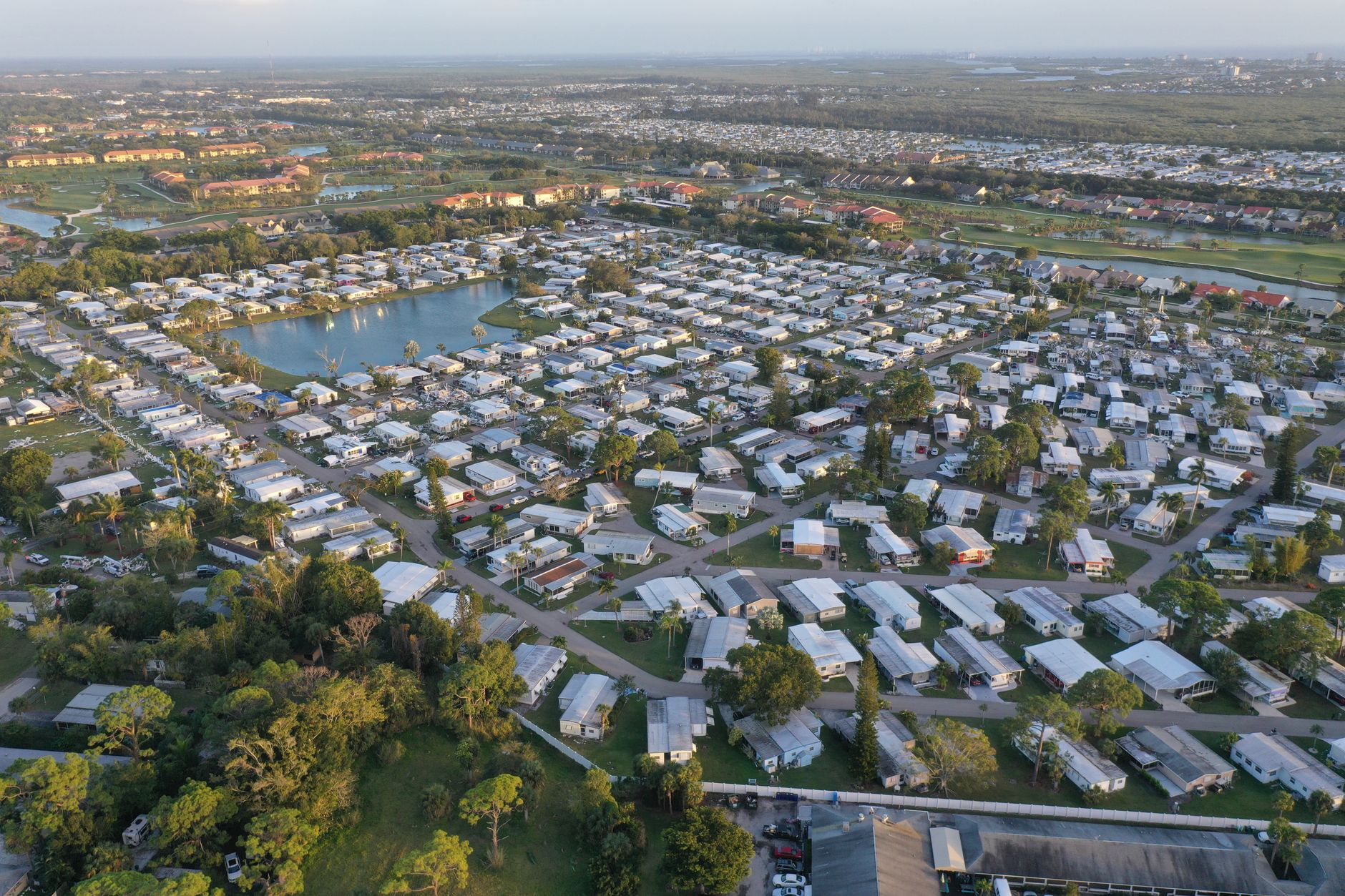
Securing the right financing for your Fort Myers fix-and-flip project calls for more than just basic loan terms—it requires a lender who understands the realities of Southwest Florida rehab, construction, and investment property projects. In Fort Myers, nearby Cape Coral, Lehigh Acres, and other Lee County communities, the dynamic real estate climate means that execution, insurance, and risk management play a pivotal role in loan approvals.
This investor-focused guide walks through key fix and flip loan considerations in greater Fort Myers. Whether you are acquiring a distressed bungalow in North Fort Myers or updating a rental in Estero, this overview explains how business-purpose loan requests are typically reviewed, the importance of property and project factors, and when other financing structures may be a better fit.
How Fort Myers fix and flip loans are evaluated
When evaluating Fort Myers fix and flip loans, local private lenders such as AFI take a business-purpose approach, focusing on the underlying real estate, the proposed value-add, and the investor’s plan for success. A loan request is rarely judged by credit score alone. Instead, underwriters weigh the potential of the project, marketability of the finished property, leverage requested, borrower experience, area-specific risks—such as storm resilience or insurance logistics—and the sponsor’s ability to perform. This holistic view aligns with the region’s unique market cycles and construction realities.
Purchase price, current condition and renovation scope
The purchase price and the property’s current state are central to every Lee County investor financing request. Whether acquiring a historic Fort Myers home for a cosmetic rehab or tackling a substantial Cape Coral renovation, lenders assess if the deal structure matches true local costs and real after-repair value. Well-documented renovation plans—including timelines, contractor bids, and contingency strategies—help clarify that the investor understands both project scope and the realities of Southwest Florida construction timelines.
Why the property and project can matter more than traditional credit scoring
For AFI’s fix and flip loans in Fort Myers, the property and project fundamentals take center stage. Traditional credit scoring is not relied on heavily; instead, the viability of the house, renovation, and exit strategy guide the underwriting process. Lenders focus on factors such as property location (e.g., Lehigh Acres or Bonita Springs), the investor’s renovation track record, and realistic financial projections. This means a compelling business case, with evidence of sound planning, often outweighs a perfect credit file.
Rehab budget, contractor planning and construction draws
Successful fix and flip projects in Fort Myers demand a budget that anticipates local costs—materials, labor, insurance, and time. AFI aims to keep construction draw requests straightforward for qualifying projects, but all draws require clear documentation and typically an inspection to verify progress. Working with experienced contractors and preparing for common permitting or weather delays unique to Southwest Florida can make the construction draw process smoother and help ensure that projects remain on track and within budget.
Borrower liquidity, contingency and carrying costs
Lenders look beyond the purchase and rehab budget to see that investors can cover carrying costs—such as insurance, taxes, utilities, and unexpected expenses—common during Florida projects. Liquidity and contingency reserves are critical, especially during hurricane season or in evolving neighborhoods like North Fort Myers. Demonstrating that you have enough reserves to navigate delays, higher costs, or shifting rental markets is a key underwriting factor for Fort Myers investment property loans.
Exit strategy: resale, refinance or rental conversion
A clear exit strategy is a cornerstone for any fix and flip loan request. In Fort Myers and Lee County, investors may plan to sell newly renovated properties for profit, refinance into a long-term rental loan, or convert a project into a short-term rental. Lenders want to see that the exit is viable given neighborhood comps, projected rental demand, and local transactional activity. For example, a high-quality rehab in Estero with strong rental potential might justify a different strategy than a quick resale in Cape Coral.
What to send AFI for an initial review
For a swift initial assessment, gather property address and details, proposed purchase price, renovation scope and budget, evidence of recent comparable sales or rents, contractor information, and a summary of your investment experience. Including an outline of your exit plan—whether it’s a resale, refinance, or rental hold—helps AFI quickly understand how your deal fits the Fort Myers and broader Southwest Florida market. Bringing this information together streamlines underwriting and may reveal areas for discussion or improvement early on.
When another financing option may be a better fit
Not every situation aligns with a private lender fix and flip loan. Smaller cosmetic updates, properties ineligible for business-purpose financing, or deals best served by portfolio or traditional bank loans may be better supported by alternate programs. First-time builders or investors with limited liquidity may find that a different approach—such as partnering with an experienced operator or exploring other financing structures—offers a smoother path. The key is to match your project’s needs, timeline, and risk profile to the right funding tool for your goals.
Real Estate Investor Financing FAQs
What types of properties qualify for fix and flip loans in Fort Myers?
Eligible properties are typically residential investment properties, such as single-family homes, small multifamilies, and condos intended for value-add through renovation. All loans remain subject to underwriting requirements.
Does my credit score affect my ability to get a Fort Myers fix and flip loan?
Traditional credit scoring is not relied on heavily; AFI focuses more on the property, project, budget, and your ability to execute the plan.
What information should I provide for an initial loan review?
Send the property details, purchase and rehab budget, contractor information, exit plan, and a summary of your experience. This helps underwriters quickly evaluate the deal.
How are construction draws handled for projects in Lee County?
AFI aims for straightforward draw requests, supported by documentation and inspections, to ensure funds are released as work progresses and project milestones are met.
Are there situations where a fix and flip loan may not be the best choice?
Yes. If your project is mostly cosmetic, owner-occupied, or you lack sufficient reserves, a different financing type or structure may better suit your goals.
Can first-time investors or builders get approved?
Approval is not guaranteed for first-time builders; lenders weigh experience, liquidity, and overall project feasibility in the Fort Myers market.
Have a Fort Myers investment property to finance?
Send the property address, requested loan amount, property type and investment plan for an initial review.