Considering your first ground-up build in Florida? AFI Private Lenders shares what new and seasoned investors should prepare before seeking construction financing.
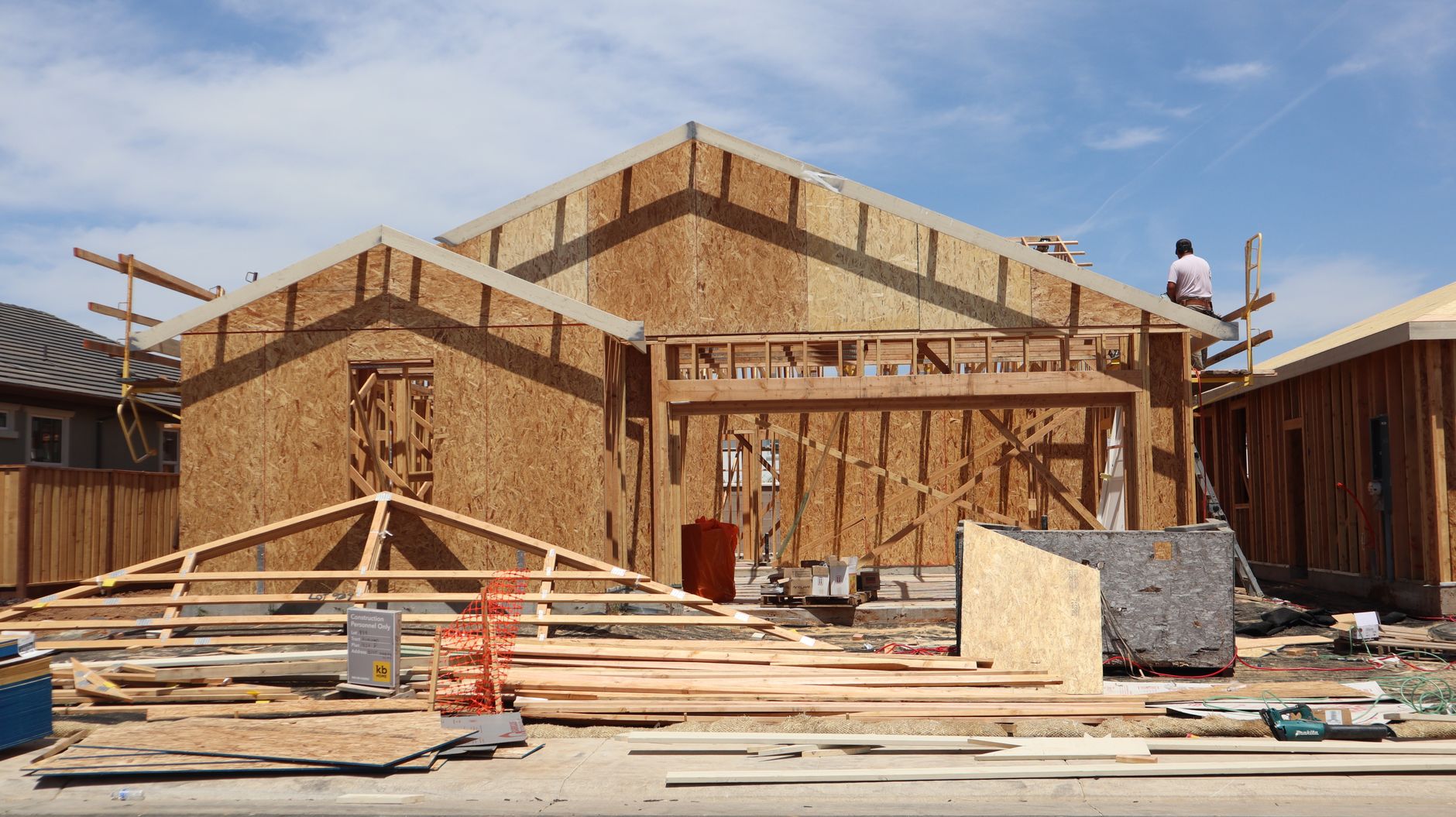
Florida’s growth markets—from Miami and Tampa to Jacksonville and Naples—continue to attract property investors exploring ground-up construction strategies. But if you’re a first-time builder, securing financing from private construction lenders requires more than just a good location and vision.
This guide explains what AFI Private Lenders looks for when reviewing first time builder construction loans in Florida, and how you can best position your project, team, and finances for a successful funding review.
What Makes a Ground-Up Construction Request Financeable?
Private construction lenders in Florida are open to working with newer builders who assemble the right elements. A financeable project begins with a well-developed vision, reasonable market assumptions, and a clear path from land to completed property—paired with evidence of readiness. AFI looks for projects with documented plans, realistic budgets, experienced partners, and defined exit strategies. While experience remains a plus, first-time builders can be considered if their overall package demonstrates competence and preparedness.
Land, Plans, Permits and Project Readiness
Securing the site is often the first major milestone. Lenders typically want to see clear entitlement, or at minimum, land under contract with a roadmap toward ownership. Construction loans for first time builders in Florida become much more viable when plans are drafted, zoning appears favorable, and permits are in process or already secured. Projects in markets like Orlando or Fort Myers may require differing timelines for permits—documenting anticipated steps can help show readiness. Solid due diligence on the property’s physical, environmental, and legal aspects bolsters your application.
Builder, General Contractor and Project-Team Considerations
Lenders like AFI know that project success hinges on people. Demonstrating partnerships with qualified general contractors, architects, and consultants can offset a first-timer’s limited construction experience. Share resumes, references, and track records for all key players—even if you, as the borrower, haven’t built before. Clearly define responsibilities between owner, builder, and third-party professionals. In communities like West Palm Beach or Sarasota, local talent with appropriate licenses and operational bandwidth is especially valued for new construction loans first time builders Florida.
Budget Detail, Contingency, and Borrower Liquidity
For builder friendly construction loans Florida, a complete and realistic budget is critical. Lenders expect a detailed cost breakdown including hard costs (materials, labor), soft costs (design, permits), and financing expenses. Successful applicants also earmark contingency reserves—often 5-15%—to handle unknowns. Beyond the project’s numbers, lenders consider the builder’s personal or business liquidity. Having adequate cash-on-hand allows you to react to unforeseen challenges or draw scheduling. When presenting your numbers in Miami or Tampa, highlight both prudence and the ability to manage overruns if they occur.
How Construction Draws Work After Closing
Once approved, AFI aims to keep construction draw requests straightforward and practical, subject to loan documents, inspections, and underwriting requirements. Draws are typically issued as work progresses—after a third-party inspection confirms completion. Understanding this process is important: you must pay for some work upfront, then request reimbursement. Ensure your contractor is comfortable with this schedule and that your cash flow plan accounts for any gaps. Timely, well-documented draw requests help keep your build on track from Jacksonville to Naples.
Schedule Risk, Cost Overruns, and Change Orders
Every construction project carries the possibility of delays, changes, or unexpected expenses. Private construction lenders Florida will review how your budget and project plan anticipate common risks—weather, permit issues, material price swings, or subcontractor delays. Including a robust contingency fund and having a clear system for documenting and approving change orders can make your loan request stronger. Providers may request updates or re-inspections if project milestones shift significantly. Planning for these variables signals realism and reliability, especially for ground up construction loans Florida.
Sale, Refinance, and Rental-Stabilization Exits
Lenders rarely fund a project without an exit plan. Whether you intend to sell, refinance, or lease up the new build as a rental, clarify your strategy early. Provide market comps for expected sales prices or stabilized values in similar neighborhoods—think new single-family homes in Boca Raton or multifamily in Orlando. Outline fallback options in case your initial plan is delayed. A well-articulated exit is vital for first time builder construction loans Florida, as lenders want confidence the property will generate enough value to repay their loan.
A Construction-Loan Submission Checklist
- Evidence of site control (deed, contract, option, or similar)
- Preliminary or final building plans
- Permits in hand or detailed permitting plan/timeline
- Comprehensive project budget with line-item detail
- Proof of sufficient liquidity or sources of cash reserves
- Team bios—GC license, resumes, references
- Project timeline including anticipated start and completion dates
- Exit strategy with supporting market analysis
- List of any prior relevant real estate experience (if any)
- Completed loan application per AFI requirements
Preparing this documentation not only speeds up lender reviews, but also helps first-time builders in Port St. Lucie, Sarasota or beyond demonstrate readiness for ground-up construction financing.
Real Estate Investor Financing FAQs
Can first-time builders qualify for new construction loans in Florida?
Yes, AFI may review qualifying requests from first-time builders, provided the project, team, budget, and exit plan are well-documented and reasonable.
What does AFI look for in a builder or project team?
AFI reviews the qualifications, experience, and track records of the borrower, general contractor, and key partners—even if the borrower lacks prior construction experience.
How important are permits and zoning before applying for a construction loan?
Projects with plans, permits, and clear zoning are generally more financeable. Lenders favor requests where entitlement risk is low and timelines are predictable.
How do construction draw requests work?
Draws are released after completion of project milestones and inspections. Borrowers should be prepared to advance costs and submit documentation for reimbursement.
Does AFI require perfect credit for a construction loan?
While AFI reviews credit, traditional credit scoring is not relied on heavily. Other factors—like project strength, liquidity, and team—carry significant weight.
What are common reasons first-time builder loans get declined?
Incomplete documentation, vague budgets, lack of contingency, weak team experience, unclear exit strategies, or unproven project readiness are common hurdles.
Should I consider other financing if my project is complex?
Yes, highly complicated or unusually structured projects may be better suited to specialized financing or joint venture partnerships, depending on your goals and resources.
Have a Florida investment property to finance?
Send the property address, requested loan amount, property type and investment plan for an initial review.