Understand the mechanics of construction draws in Florida, including draw schedules, documentation, and cash-flow planning for both rehab and ground-up projects.
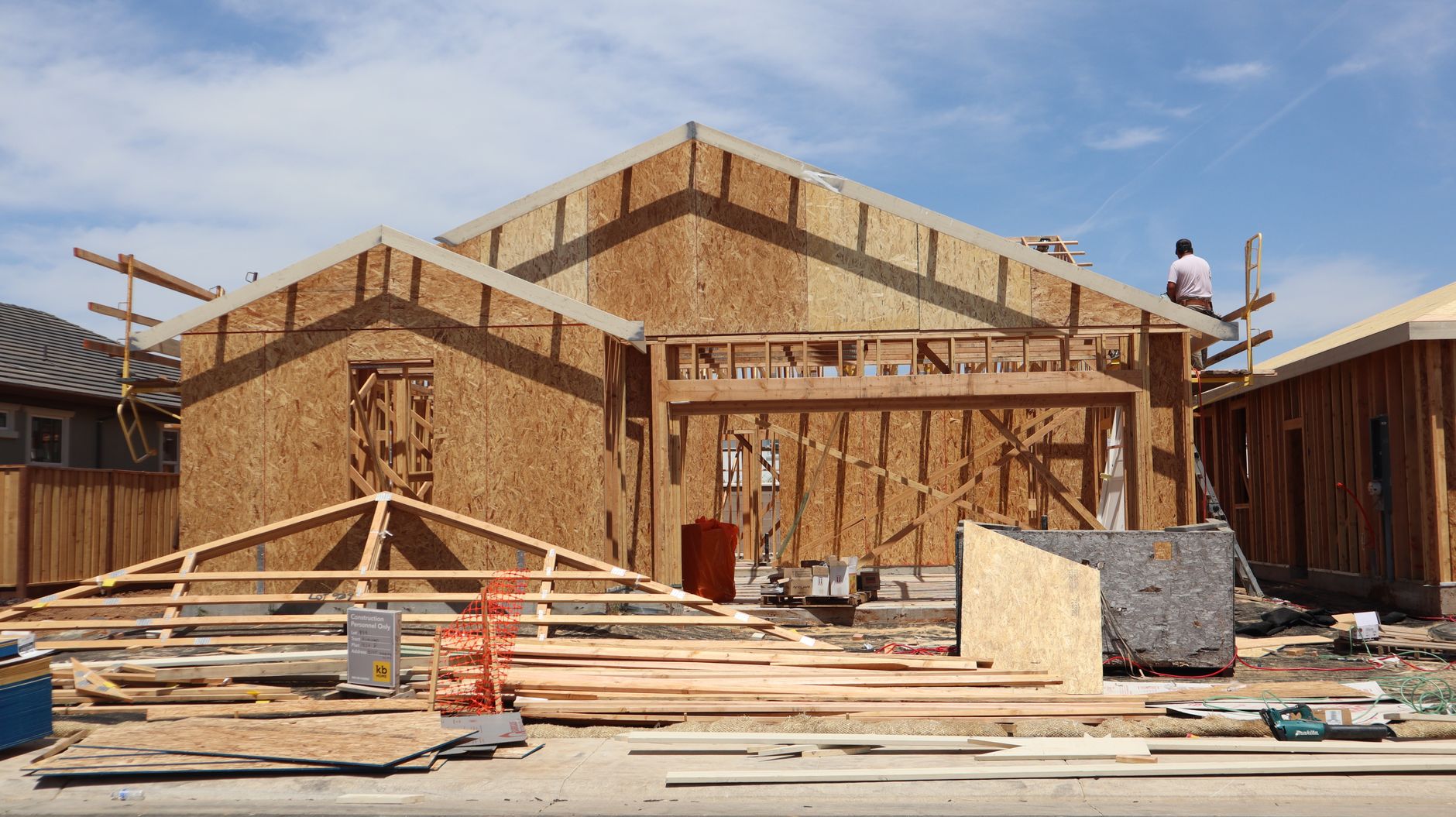
Construction draws are a critical part of financing renovations and new builds in Florida’s dynamic real estate market. Private lenders like AFI Private Lenders play a key role in helping investors, developers, and property owners manage the often-complex process involved with accessing capital as work progresses.
This article breaks down how hard money construction draws work in Florida, how AFI approaches draw requests for qualifying borrowers, and what steps you can take for a smooth funding workflow—whether your project is a multifamily rehab in Miami, a ground-up build in Orlando, or a commercial venture in Tampa.
What is a Construction Draw and Why Does It Matter?
A construction draw is the process by which a borrower requests a portion of their approved loan funds as work is completed on their property. Rather than receiving the full loan amount upfront, borrowers draw down from the loan in installments—often tied to defined project milestones such as foundation, framing, or MEP rough-in. This protects both lenders and borrowers by ensuring capital is deployed in sync with completed work, reducing risk and supporting cash flow throughout the build or renovation cycle.
How AFI Handles Construction Draws in Florida
AFI Private Lenders aims to keep the draw process straightforward and practical for qualifying Florida projects. Draw requests are typically subject to review under the terms outlined in the original loan agreement, which may involve on-site inspections, documentation of work progress, and confirmation that budget items align with the construction timeline. AFI’s process is designed to support legitimate progress on the property while meeting underwriting standards—ensuring that both borrower and lender remain aligned from start to finish.
Budget Line Items and Draw Scheduling
A well-organized construction budget is essential for a smooth draw process. At the outset, investors and builders provide a detailed breakdown of line items such as site prep, framing, electrical, plumbing, finishes, and landscaping. Each line item is given a value and placed within a draw schedule that forecasts when the funds are needed. For example, a builder in Fort Lauderdale may request a first draw for foundation work, with subsequent draws for framing, roofing, and so on. Coordinating your project timeline and budget with your lender’s draw mechanics is key for timely funding and avoiding bottlenecks down the line.
Inspections, Invoices, Photos, and Completion Evidence
To approve a draw request, most lenders—including AFI—will require clear evidence that the claimed work is complete. This typically involves on-site inspections (often by a third-party inspector), submission of paid invoices or contracts, and photographic documentation showing milestone completion. In fast-evolving markets like Jacksonville and West Palm Beach, organizing these records before you submit your draw request can help prevent costly delays. Borrowers should keep detailed records and retain all receipts and photos to streamline the review process.
Why Can a Draw Request Be Delayed?
Even for experienced investors, draw requests can sometimes hit snags. Common issues include incomplete documentation, uncertainty about the scope of completed work, discrepancies between the draw request and the original budget, or missed inspections. For example, if a contractor in Naples submits a draw request for rough-in electrical but lacks the associated invoices or updated photos, underwriters may require clarification or additional evidence. Proactive communication and transparency are the best defenses against delays.
Preparing for Your Next Draw: Borrower Best Practices
Borrowers who stay organized and maintain open lines of communication with their lender are the most successful at navigating the draw process. Before submitting a new draw, review your budget, confirm that work is complete, and organize all supporting documentation (photos, paid invoices, contractor affidavits). Schedule inspections promptly and check in with your lender to confirm whether any additional information is needed. In areas like Sarasota and Boca Raton, where labor markets can shift rapidly, having a checklist ready can save days or weeks per draw cycle.
Rehab Loan Draws vs. Ground-Up Construction Draws in Florida
The draw process differs between rehab and ground-up projects. Rehab loan draw processes in Florida tend to be shorter, as much of the work is cosmetic or involves selective upgrades. Ground-up construction financing Florida, meanwhile, requires more complex scheduling and documentation—from clearing the site to final landscaping. Lenders may require more extensive inspections and staged draw schedules for new builds, especially on multifamily or commercial ventures. Borrowers weighing these approaches should match their financing type to property needs, exit strategy, and project scope.
Cash-Flow Planning Between Draws
Effective cash-flow management is crucial, as construction draws in Florida are designed to reimburse completed work rather than pay upfront costs. Savvy investors, especially in markets like Orlando and Tampa, work closely with contractors to estimate out-of-pocket spend between reimbursed draws. Consider factoring in material delivery times, labor schedules, and contingency reserves while building your draw schedule. Evaluate whether phased draws align with your project’s pace, and be ready to adjust as needed—sometimes a bridge or alternative loan type may make more sense if upfront cash is limited.
Real Estate Investor Financing FAQs
How do construction draws work with AFI in Florida?
AFI reviews draw requests based on the loan agreement, inspecting completed work and requiring supporting evidence before releasing funds.
What documentation is required for a draw request?
Typically, borrowers provide itemized invoices, photos of completed work, inspection reports, and a budget breakdown tied to the original schedule.
Can draw requests be denied or delayed?
Yes. Draws may be delayed or denied if documentation is incomplete or if inspections reveal work is not finished per the request.
What’s the difference between rehab and ground-up draw processes?
Rehab draws are usually simpler and faster since work is often cosmetic, while ground-up projects involve more stages, documentation, and inspections.
How can borrowers reduce delays in the draw process?
Stay organized, provide complete documentation, schedule necessary inspections promptly, and keep communication open with your lender.
Are draws paid before work is completed?
Construction draws typically reimburse completed work. Most lenders, including AFI, do not release funds upfront for future work.
Should new investors consider alternative loan structures?
In some cases, yes—particularly if upfront cash or experience is limited, other structures may provide better alignment with project needs.
Have a Florida investment property to finance?
Send the property address, requested loan amount, property type and investment plan for an initial review.