
Winter Park teardown construction financing is possible with private money, but investors need to understand key loan stages and requirements before applying.
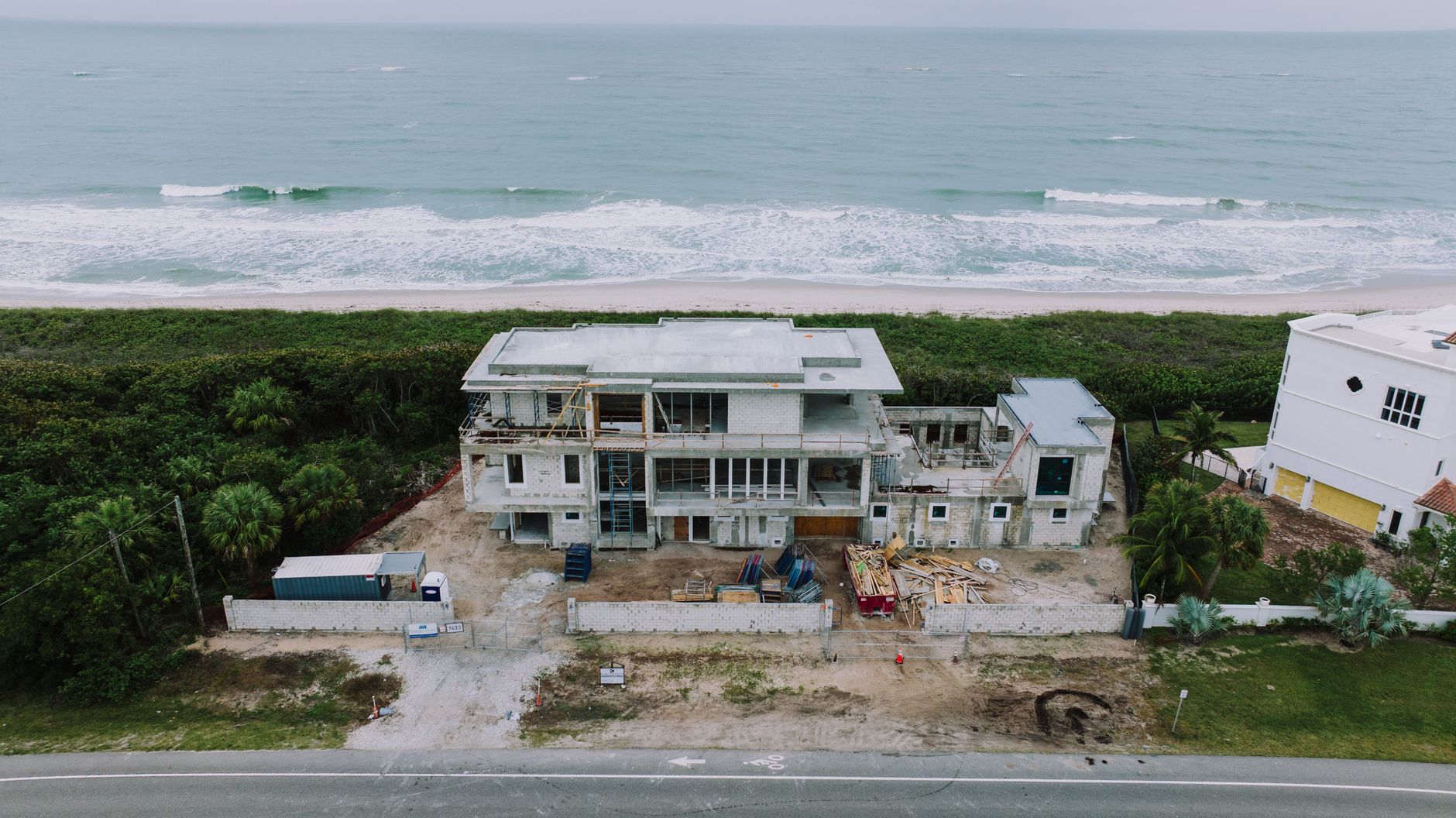
Can you use private money financing for a teardown and new construction in Winter Park? The answer is yes—if you meet lender expectations in acquisition, demolition, permitting, and exit planning. Investors considering a significant property transformation need a clear understanding of these stages and how lenders view project risk before starting the process.
This guide walks through financing Winter Park teardown projects with private lenders, breaking down the steps from initial scouting to draw schedules and exit planning. Whether you're focused on Central Florida markets like Winter Park, Orlando, or Maitland, knowing where private money can add value—and what pitfalls to avoid—sets up your next project for success.
Can private money be used for a Winter Park teardown project?
Winter Park teardown construction financing is within reach for investors who plan carefully and can document each part of the deal. AFI Private Lenders, for example, provides business-purpose loans for qualifying properties throughout Florida, including teardowns that lead to new ground-up construction.
Private money can fund both the property purchase and the subsequent construction, unlike many traditional banks that hesitate to lend on properties with little or no existing structure. For investors seeking Winter Park private money loans or hard money options in nearby Orlando communities, private lenders help bridge critical short-term gaps that enable teardowns and fresh building opportunities—especially when the exit plan is clearly defined.
Check existing conditions and demolition requirements
Successful construction financing always starts with understanding the property as it stands. Are there structural hazards, code violations, or environmental concerns? Does demolition require special permits or environmental remediation? In Orange County and nearby areas like Maitland or Baldwin Park, these factors can dramatically affect timelines and costs.
Lenders like AFI expect a detailed assessment of existing conditions, including up-to-date title work and clear documentation that any demolition or site clearance is feasible and budgeted. Before making a financing request, investors should verify property status—including possible flood, insurance, and zoning issues—with local authorities and qualified professionals.
Plans, builder, and permit-readiness checklist
Having professionally prepared plans and a documented builder relationship are crucial when seeking Winter Park private money loans for new construction. Most private lenders, including AFI, will review your construction documents, builder credentials, budget, and permit status as part of their underwriting process.
- Are architectural and engineering plans complete?
- Is your chosen builder experienced with similar projects?
- Have permits been submitted or approved?
Being 'permit-ready' does not guarantee approval but it significantly increases your chances of funding, especially for first-time builders. AFI is open to reviewing new requests from qualified but less experienced teams, provided all other deal strengths are in place.
Land and acquisition funding versus vertical construction
It's important to distinguish between acquisition funding (the funds used to buy the land or teardown property) and the financing needed for constructing the new project (vertical construction). Some private lenders may structure these as separate loans or as phased funding within a single package.
In highly competitive Winter Park and Orange County submarkets, investors often need to close on the site quickly before proceeding to the demolition and build phases. The lender will usually need to see solid documentation that you can transition smoothly from closing through demolition to vertical construction, without undue delay or cost overruns.
How draw schedules and contingencies affect cash flow
Unlike traditional mortgages, private construction loans generally use a draw schedule. Rather than disbursing the entire loan upfront, the lender releases funds in stages based on completed work and inspections.
AFI aims to keep draw requests straightforward and practical, but each release is subject to the loan documents, inspections, and underwriting requirements. Investors in Central Florida markets should confirm how contingencies, change orders, and cost overruns would be handled. This impacts not only project cash flow, but also the equity reserves you need to maintain throughout construction.
Hypothetical project budget and equity example
Consider a hypothetical Winter Park investment:
- Land/teardown purchase: $500,000
- Demolition and site prep: $50,000
- Permitting and fees: $30,000
- Vertical construction: $800,000
- Total project cost: $1,380,000
If a private lender offers up to 65% leverage on the total documented project cost, the maximum loan size would be roughly $897,000. The investor should be prepared with at least $483,000 in cash or sourced equity to close and to meet reserve requirements. Contingency planning for overruns, adjustments in the schedule, or permitting delays is critical, as these can quickly affect your required cash flow and end profit margin.
How lenders evaluate the exit
Private money financing for Winter Park teardown construction usually expects a clear and believable exit. Will you sell the finished property, refinance into a long-term loan, or hold as a rental? Lenders like AFI consider team experience, project location, and your documented exit plan in their decision.
If selling into a competitive Central Florida market, realistic comparables ("comps"), agent recommendations, and pre-sale interest are valuable. If refinancing into permanent debt, proof of expected rents, likely loan terms, and cash reserves help support your case. A weak or unproven exit plan can slow or prevent loan approval, even if the construction phase is solid.
Questions to ask AFI before submitting your request
Before submitting a Winter Park teardown construction financing request, clarify the following with your lender:
- Does the proposed loan structure fit the full project life cycle, including acquisition, demolition, and vertical build?
- What documentation will you need at each stage?
- How are draw schedules, reserves, and contingencies handled?
- What factors are weighted most heavily for project approval?
- What are the expectations for experience, liquidity, and exit?
Gathering the right documents—such as purchase contract, plans, detailed budget, builder agreement, permits or permit submissions, insurance quotes, and a clear exit strategy—can reduce friction during underwriting.
Real Estate Investor Financing FAQs
Do private lenders fund both land acquisition and new construction in Winter Park?
Yes, many private lenders can finance both the acquisition and construction, but strong project documentation and a clear exit plan are required.
Can first-time builders secure private money for a teardown project?
It's possible, especially with a strong team, budget, permits, and exit strategy. Approval is not guaranteed and each lender will evaluate project strength.
What paperwork is needed for a Winter Park teardown loan?
Expect to provide a purchase contract, builder docs, plans, detailed budget, evidence of permits or submissions, and your exit strategy.
How are loan funds typically disbursed for construction?
Funds are released in draws based on completed milestones and inspections per the lender’s schedule, rather than all at closing.
What are some risks if permitting or demolition faces delays?
Project delays can impact your cash flow, extend holding costs, and may require updated loan terms or contingency funding.
Is traditional credit heavily weighted for approval?
For qualifying fix-and-flip loans, AFI does not rely heavily on traditional credit scoring, but overall financial strength and liquidity are important.
Can I refinance into permanent financing after construction?
Yes, many investors plan to refinance into longer-term financing after construction or stabilization, provided the project meets lender and market criteria.
Have a Winter Park investment property to finance?
Send the property address, requested loan amount, property type and investment plan for an initial review.