
Learn how Sanibel private construction loans work for island rebuilds, from current-value land lending to construction holdbacks, coastal due diligence, and draw releases.
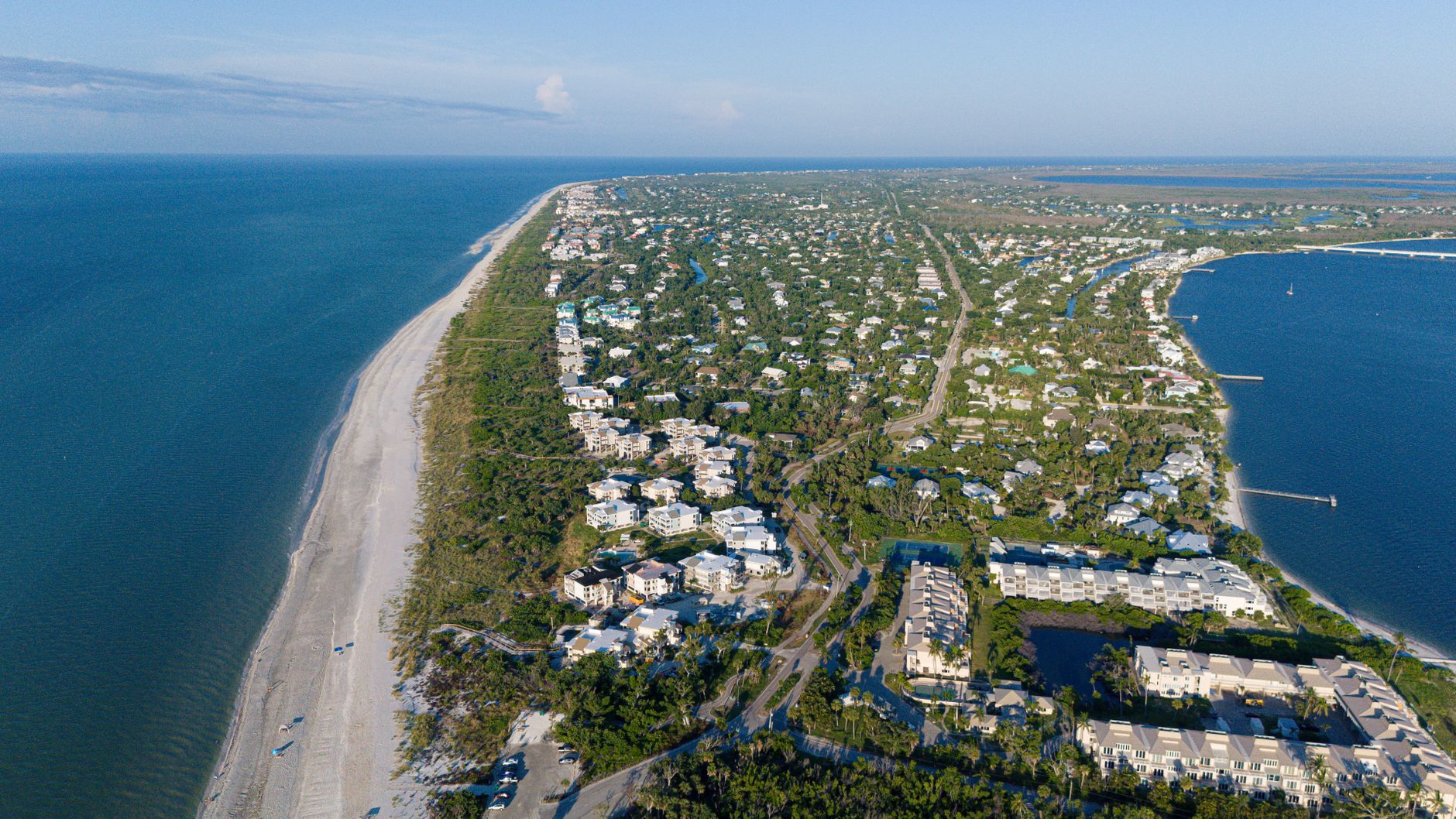
Investors and builders exploring Sanibel private construction loans need to understand the difference between business-purpose loans for as-is property value and structured construction loans with conditional draws. In coastal markets like Sanibel and Lee County, success hinges on meticulous property-by-property due diligence to address market-specific challenges such as insurance, access, permits, and flood verification.
This article explains how experienced Sanibel hard money lenders like AFI Private Lenders approach each deal—reviewing property condition, evaluating rebuild feasibility, verifying permits and insurance, and structuring construction holdbacks—without assuming local codes or conditions. Whether you’re purchasing land or rebuilding a coastal asset, AFI’s guidelines for investor submission, reserves, and draw releases help keep complex projects in motion.
Current Property Condition and Valuation
Sanibel private construction loans begin with a rigorous assessment of the subject property’s current as-is market value. For island properties—land, single-family, or commercial—valuation is always property-specific and considers unique elements such as existing structures, condition, and marketability. Unlike traditional lenders, AFI Private Lenders typically reviews collateral with an eye toward business-purpose lending, rather than owner-occupant financing. This initial assessment determines whether a loan based solely on existing property value (with no funding for new construction) or a more sophisticated construction loan structure is appropriate. Borrowers must be ready with a recent appraisal, survey, and evidence of marketable title. AFI does not accept all properties, and qualification is not guaranteed. Each proposal is reviewed on its merits, with Lee County and surrounding Gulf Coast markets such as Fort Myers Beach, Captiva, and Fort Myers all requiring their own independent analysis.
Feasibility and Reconstruction Planning
Before construction funds can be considered, the project’s feasibility and builder’s plan must be clearly outlined. This includes comprehensive construction budgets, detailed scopes of work, and timelines aligned with project goals and exit strategies. On Sanibel, where insurance markets, material delivery, labor availability, and elevation concerns all affect buildout potential, a well-prepared plan is critical for lender review. Investors should partner with experienced local professionals to verify every planning milestone; AFI reviews each project individually and does not guarantee funding for every plan. Comparable projects in other Gulf Coast communities offer useful context, but each Sanibel deal stands on its own merits.
Permits, Insurance, Flood and Elevation Verification
Regulatory and insurance compliance in Sanibel and Lee County is a core part of construction lending due diligence. AFI expects evidence of current permits (or a clear path to permit issuance), full builder’s risk and property insurance, and, where applicable, flood or elevation certificates. Because floodplain status, title encumbrances, and permitting requirements may change by jurisdiction or property, all borrowers are urged to independently verify with the appropriate city, county, or state authorities as well as qualified legal and insurance professionals. AFI does not provide legal or permitting advice, but the success and timing of a construction loan relies on these elements.
Builder and Budget Package
Lenders evaluating Sanibel private construction loans look for a qualified builder, licensed and insured in Florida, with a proven track record or credible plan for first-time builders. AFI can review qualifying new-construction requests from both seasoned and first-time builders, but places emphasis on the experience of the principal team, the strength of the final plans, local licensing, and budget consistency. The complete package should include final bid contracts, trade breakdowns, vendor lists, material allowances, and a detailed financing summary to support the requested loan amount and explain uses of funds.
How Held-Back Funds May Be Released
Business-purpose construction loans for Sanibel typically involve a holdback structure—AFI does not fund the full loan amount at closing for construction deals. Instead, upon meeting initial conditions, funds may be draw-released in stages after each construction milestone is verified (such as foundation, framing, mechanicals, and completion). Draw requests must be supported by documented progress, lien waivers, and—often—property inspections or site visits, as defined in the loan agreement. The lender’s goal is to safeguard both borrower and lender interests while aligning disbursements with real on-site results. No specific advance schedule or timing is guaranteed; each draw depends on completed work and lender approval.
Capital Reserves and Liquidity Requirements
Construction on Sanibel, especially post-disaster or in sensitive coastal zones, frequently requires higher borrower liquidity and contingency reserves than in non-coastal Florida markets. AFI evaluates the borrower’s available capital, ensuring enough reserves are in place to absorb potential overages, delivery setbacks, or temporary delays in draw release. These reserve levels support both loan servicing and project stability, and investors should be prepared to show proof of funds covering budgeted and overage scenarios, as assessed during underwriting. For leverage-based funding, clear documentation of capital reserves is essential.
Hypothetical Timeline and Risks: An Investor Example
To illustrate, suppose an investor acquires a Sanibel lot and secures business-purpose construction financing after thorough due diligence. The loan is structured with a conservative initial advance based on the current as-is value of the collateral, with up to $750,000 in held-back funds reserved for draws as stages are completed. The investor works with an approved builder, secures all permits and insurance, and submits a detailed draw schedule. After each construction milestone—foundation, framing, roof—inspections confirm completion, and the lender disburses funds accordingly. The timeline, however, is fluid; weather, delivery delays, or permitting issues can all affect timing and capital needs. Investors must be prepared for contingencies and understand that no stage is funded automatically or regardless of project progress.
Sanibel Submission Checklist and Investor Trade-Offs
To prepare a strong application for a Sanibel hard money lender, investors should assemble:
- Recent appraisal and property survey
- Marketable title evidence and title report
- Builder resume, licenses, and current insurance
- Detailed plans, permits, and construction budget
- Proof of funds and capital reserves
- Insurance binder (property and builder’s risk)
- Draw schedule and project timeline
Some investors may find that a simple as-is value loan (not construction-backed) is preferable for short-term holds or if plans and permits are incomplete. Others may need a holdback structure to match their rebuild schedule and capital constraints. Each approach has trade-offs in flexibility, contingency reserves, and underwriting time, and AFI is available to discuss which structure best fits the individual project.
Real Estate Investor Financing FAQs
What is different about Sanibel private construction loans compared to other Florida areas?
Sanibel loans require stricter due diligence on permits, insurance, flood, and access due to its coastal and island nature. Each property’s eligibility and risks must be evaluated individually.
Can I apply for a construction loan if I’m a first-time builder?
Yes, AFI can review requests from first-time builders, but approval is not guaranteed. Project strength, experience, budget, and documentation are critical.
Does AFI rely on traditional credit scores for construction loan approvals?
Traditional credit scoring is not heavily relied upon for qualifying fix-and-flip loans, but AFI reviews overall project strength, borrower experience, and liquidity.
Are there specific local codes or permit rules lenders follow in Sanibel?
AFI requires borrowers to verify codes, permits, and flood or insurance requirements independently with local Sanibel or Lee County authorities. Lenders do not create or interpret local regulations.
How are construction funds released during the project?
Funds are typically released in stages after meeting specific milestones. Each draw requires supporting documentation, possibly inspections, and lender approval.
What documents are needed to apply for a Sanibel construction loan?
Needed documents include marketable title, recent appraisal, builder qualifications, construction plans, permits, insurance, budgets, and evidence of capital reserves.
What are the main risks investors need to plan for on Sanibel projects?
Project delays from permitting, insurance approval, weather, or delivery can disrupt timelines and capital needs. Dedicated reserves and robust planning are essential.
Have a Sanibel investment property to finance?
Send the property address, requested loan amount, property type and investment plan for an initial review.