
Cape Coral property investors must choose between current-value land loans and construction loans with holdbacks. Here’s how to weigh each structure.
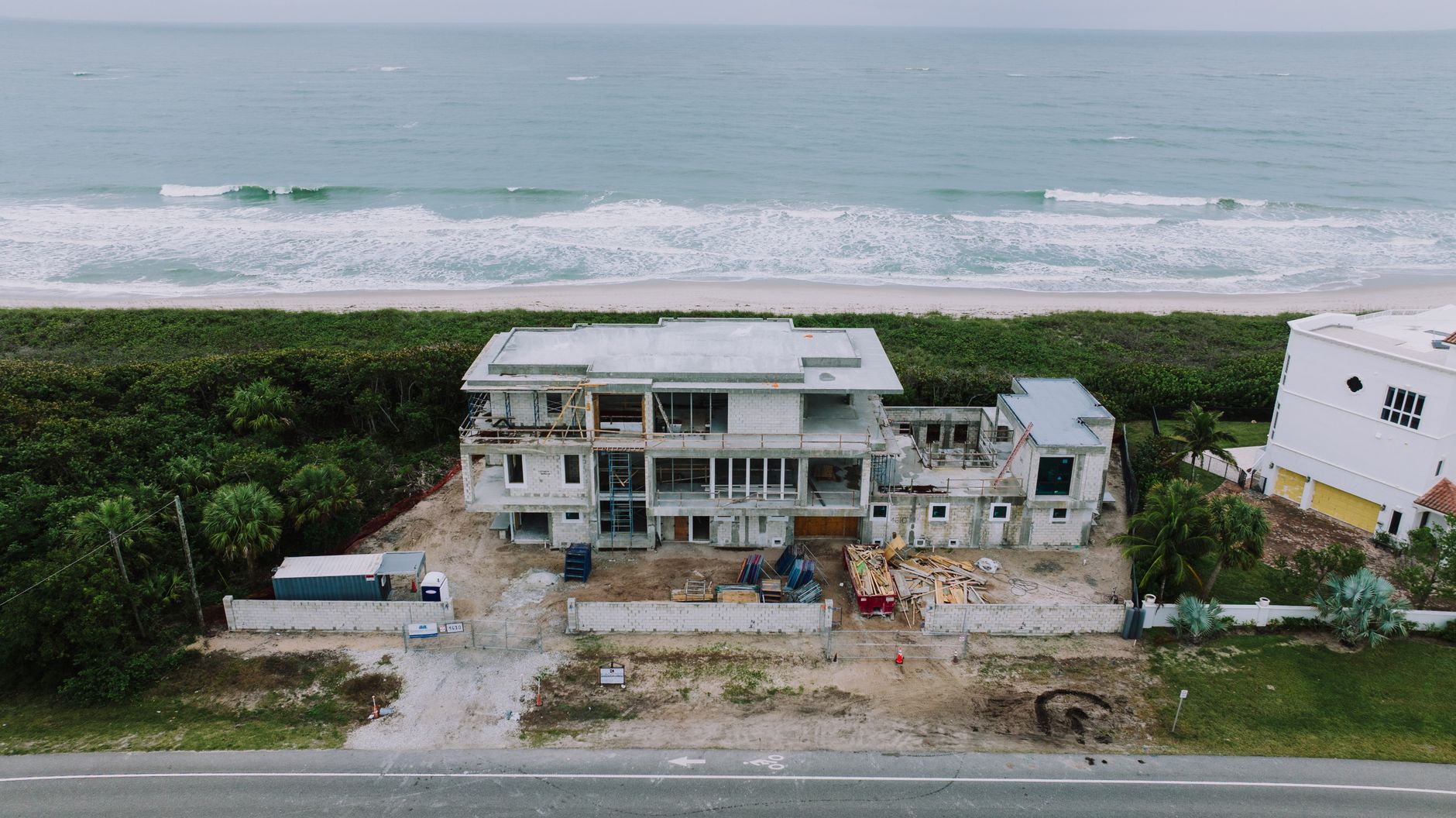
Investors and builders in Cape Coral weighing the best way to finance a ground-up project face a critical decision: should they seek a Cape Coral private land loan based on the property's current value, or pursue a construction loan with multiple funding stages tied to the buildout?
This article clarifies the structural differences, documentation, and risks of each option, so you can better match your business purpose—whether for a ready-to-build lot, land with approvals pending, or a start-to-finish development—in Cape Coral and the surrounding Lee County region.
Current-Value Land-Backed Loan: Cape Coral Private Land Loans
A current-value land-backed loan—sometimes called a private land loan—uses the existing as-is value of the Cape Coral property or land as the loan’s collateral. AFI Private Lenders considers these for qualifying investment properties, often where the principal business purpose is acquisition, interim hold, or land banking ahead of an eventual build. This option provides a lump sum based on the current market value, not the projected improved value after construction. The land can have partial improvements (like access or utilities), but the structure and terms focus primarily on current marketable value, clear title, and business intent, not on a build budget.
Borrowers seeking to secure a property in Lee County, Fort Myers, or North Fort Myers before construction readiness often use this model to maintain timeline control or preserve flexibility while finalizing plans or obtaining permits. It’s critical to note: such loans do not automatically grant further funds to start construction later—requalification or refinancing into a full construction loan may be required.
Construction Loan with Holdbacks
Construction loans differ fundamentally by offering staged funding tied directly to the progress of a permitted build, not solely to current property value. AFI Private Lenders structures qualifying construction loans with draw schedules and holdbacks, distributing capital as project milestones are reached. As work advances—contingent upon inspections, loan documentation compliance, budget adherence, and project updates—funds are released in segments. This tight linkage between funding and construction progress is designed to mitigate risk and keep all parties aligned with agreed goals.
Builders with approved plans and permits in place who need capital to turn shovel-ready lots into completed residential or commercial assets typically benefit most from this approach. Construction loan applicants must be prepared for detailed budget reviews, proof of permits, draw request scrutiny, and contingency planning, all subject to AFI’s underwriting criteria and inspections.
Lot Access and Permit Readiness: Critical Land Loan Decisions
Property readiness in Cape Coral or Lee County has a critical impact on the loan structure. Private land loans may be viable when a property has access, a clear survey, and no immediate construction plans, or if permits are still pending. In contrast, construction loans generally require evidence of permit approvals and a defined build plan before any draws are scheduled.
For investors targeting North Fort Myers, Pine Island, or Estero, knowing whether a property is buildable today—or will be after some entitlement work—is key. Buyers must independently verify local zoning, permit status, and any flood or insurance implications with jurisdictional authorities and professionals before finalizing their financing approach. This upfront diligence will influence whether AFI or any Cape Coral hard money lender views your property as ready for construction funding or suitable only for land leverage.
Loan Proceeds and Draw Timing
With a current-value land-backed loan, Cape Coral private lenders such as AFI provide a one-time lump sum at closing, allowing immediate control over funds subject to business-purpose use and loan documentation. There are typically no future disbursements: when construction is eventually planned, a separate construction loan may need to be negotiated.
By contrast, construction loans manage loan funds through holdbacks and a draw process. After initial closing (and often an initial advance for land acquisition or site preparation), subsequent funds are only released—typically requiring document and inspection approvals—at each phase of project completion. Draw timing is not automatic or guaranteed and is always subject to underwriting, documentation, and site verification per AFI’s Florida construction process. Efficient budgeting and strong project management are essential to minimize delays and ensure timely draws throughout the build.
Project Costs, Budget, and Contingency Planning
When considering Cape Coral private land loans, costs are concentrated on acquisition and any immediate holding or site-preparation needs. Long-term project expenses—including construction, soft costs, and contingencies—are handled separately, sometimes requiring refinances as entitlement progresses.
Construction loans require a full project budget, including hard/soft construction costs, permitted plans, line-item breakdowns, and adequate contingency reserves. AFI will evaluate budget realism, builder liquidity, exit strategy, and project team capabilities as part of its Florida construction underwriting. If the budget is incomplete, or the timeline is unrealistic, funding delays or even rejections are possible. Builders must be transparent and prudent, as overestimated contingencies or missed milestones can lead to cost overruns or funding shortfalls. A seasoned loan structure will account for these variables without assuming all Cape Coral or Lee County risks can be predicted or solved by the lender alone.
Hypothetical Cape Coral Land vs Build: A Mini-Case
Consider a Cape Coral investor acquiring a lot for $160,000, with current as-is value supported by nearby sales. Their plan: secure the parcel and wait for city permits, knowing the build is months away. They obtain a private land loan for $96,000 (at 60% leverage against current value), covering acquisition but not construction. Later, once city permits are approved and a builder’s contract is in hand, the investor seeks a construction loan. This loan is structured as $410,000, with $90,000 advanced at close (to pay off the land loan and some preconstruction costs) and additional draws—subject to documentation and inspection—over six months as construction milestones are hit.
This approach separates acquisition and construction financing, allowing the investor to secure the property with one type of AFI loan and then reposition for a larger construction commitment only when the project is truly ready. It underscores the need for explicit, staged planning and clear-eyed budgeting before committing to either structure.
Exiting: Refinance or Sale Upon Completion
Both land-backed and construction loans from Cape Coral hard money lenders are meant as bridge financing for active business investors—eventually, a takeout refinance or sale is expected as the primary exit. Upon build completion, investors may seek a conventional mortgage, a DSCR rental loan, or market the newly built property for sale. Planning your exit—factoring Cape Coral’s rental and for-sale timelines, anticipated values, and refinancing options—is crucial at the outset to avoid rushed decisions at payoff time. AFI reviews exit strategies during underwriting, but the investor is responsible for confirming long-term takeout plans and any lender payoff requirements.
Documents to Send AFI for Review
For a smoother loan process, applicants should prepare:
- Purchase contract and/or title evidence
- Recent appraisal or BPO (if available)
- Property survey and access documentation
- Entitlement and permit status
- Detailed project budget and schedule
- Builder qualifications and project team info
- Business documentation for the borrowing entity
- Existing loan payoff statements (if refinancing)
Sending a thorough and organized package upfront allows AFI Private Lenders to evaluate the best structure for your Cape Coral project, whether you’re seeking a pure land-backed loan, construction funds, or a combination over time. AFI does not rely heavily on traditional credit scoring for fix-and-flip or business-purpose loans, but comprehensive due diligence and underwriting are always part of the review process.
Real Estate Investor Financing FAQs
What’s the advantage of a Cape Coral private land loan over a construction loan?
A private land loan may let you quickly acquire or leverage a property based on current value—even before construction readiness—without requiring a full build budget or permits. Construction funding is then addressed when plans and approvals are secured.
Can I convert a land loan to a construction loan later?
A new application, updated documents, and requalification are typically required to convert from land-only leverage to a construction loan. There is no automatic or guaranteed conversion—each loan is underwritten separately.
Will AFI Private Lenders approve builders without prior experience in Cape Coral?
AFI will review qualifying new construction requests from first-time builders, but approval depends on overall project strength, budget clarity, plan completeness, exit strategies and team capabilities—not solely past experience.
How are construction draws funded and timed?
Draws are released only after completing specific milestones, with all paperwork, inspections, and lender requirements satisfied. Draw timing and advances are not automatic or guaranteed.
Do I need to have all permits in hand to qualify for construction financing?
Construction loans generally require permits and a build-ready property before draws begin. Land-backed loans may finance the site acquisition if permits are pending but won’t fund actual building costs until ready.
What should I verify before seeking land or construction loans?
Independently confirm zoning, permitting, flood risk, insurance cost, and title with local authorities and qualified professionals to avoid surprises after closing.
Is a large deposit or equity needed for land or construction loans in Cape Coral?
Equity requirements vary by project and loan type. Leverage is based on as-is value for land loans; for construction, overall budget, contingency, and project risk are considered. There is no universal minimum.
Have a Cape Coral investment property to finance?
Send the property address, requested loan amount, property type and investment plan for an initial review.