Explore how Tallahassee DSCR loans support real estate investors by focusing on local rental income, documentation, and exit planning in North Florida.
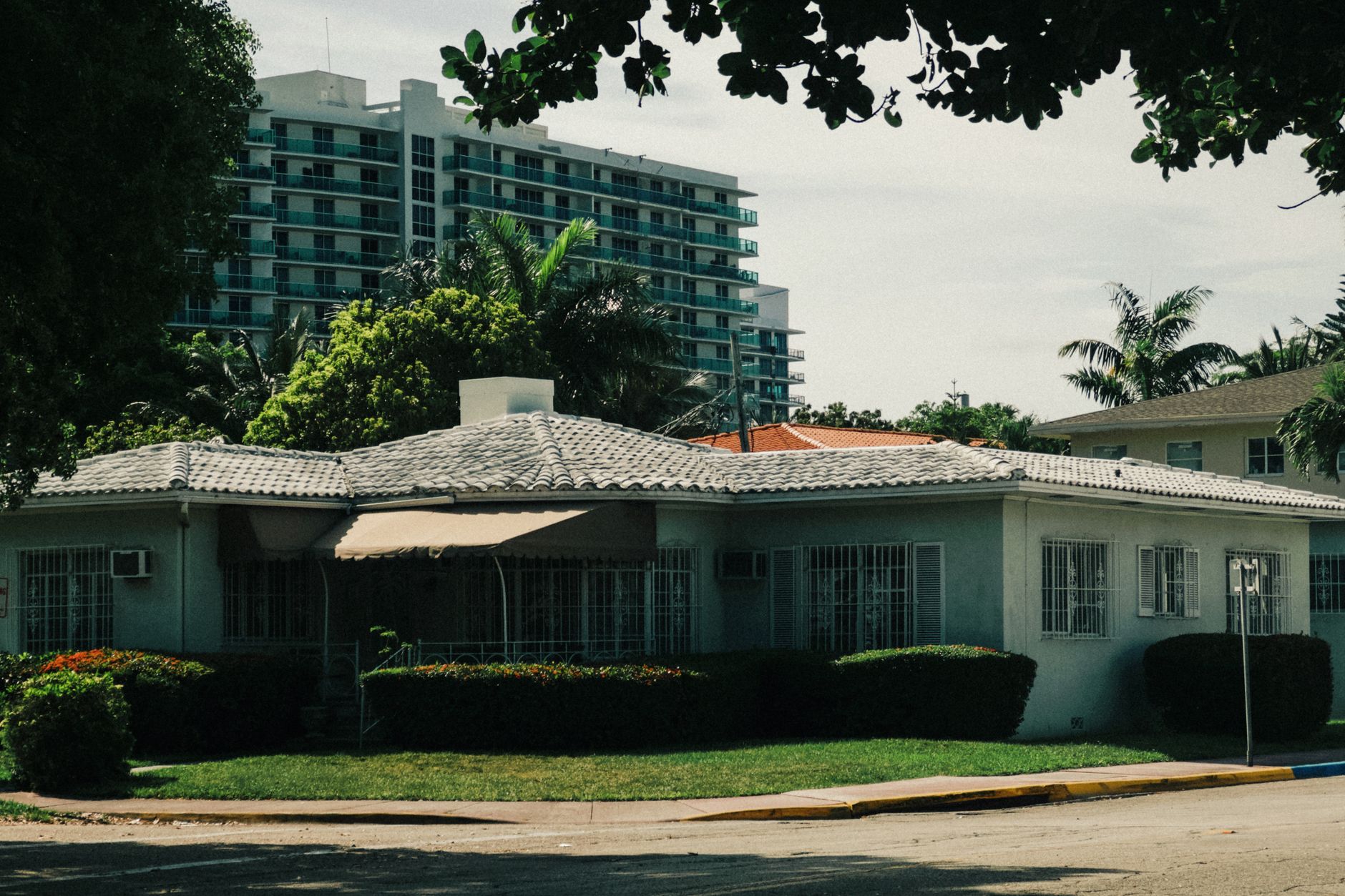
For real estate investors seeking business-purpose financing in Tallahassee, DSCR loans offer a strategic approach to building and scaling rental portfolios. These loans focus less on borrower income and more on the property's ability to generate consistent cash flow—an alignment well-suited to North Florida’s diverse rental market.
This guide breaks down how Tallahassee DSCR loans are evaluated for investment properties, what local investors should prepare, and when alternative financing might be best for your Leon County acquisition or refinance plans.
How DSCR Financing Looks at a Rental Property
The core of a Tallahassee DSCR loan is the property's Debt Service Coverage Ratio (DSCR), which measures rental income against required debt payments. Rather than leaning heavily on personal tax returns or employment income, lenders like AFI Private Lenders pay close attention to how reliably a local property—whether in Tallahassee, Quincy, or Midway—can cover its own expenses. This approach suits investors targeting stabilized rentals or newly acquired income-producing assets across Leon County. A strong DSCR indicates operational stability, which often leads to more favorable leverage and terms subject to individual underwriting.
Rent, Lease Terms and Income Documentation
Ready documentation is vital. Investors in Tallahassee must present current leases, executed rental agreements, or market rent analyses to support their income assumptions. Vacant properties may require a detailed rent schedule, especially if targeting university student housing or suburban single-families in neighborhoods like Killearn Estates or Southwood. Clear, verifiable lease terms help AFI and similar Tallahassee private lenders assess whether projected rents are sustainable and reflective of market conditions.
Taxes, Insurance, HOA Expenses and Debt Service
Underwriting extends beyond rent rolls. Local taxes, hazard and liability insurance, and any homeowner association (HOA) fees impact the bottom line for properties across Tallahassee and Leon County. Lenders review these recurring costs to ensure the property can service both operating expenses and debt. Submitting updated tax statements, insurance declarations, and association budgets often streamlines the review—making an investor’s request more credible whether the property is in Tallahassee proper or neighboring areas like Crawfordville.
Vacancy, Repairs and Reserve Planning
Even strong rental properties in North Florida must account for periods of vacancy, unexpected repairs, and the need for capital reserves. DSCR loan underwriters analyze rent rolls with adjustments for average local vacancy rates and typical maintenance costs. A prudent reserve strategy—backed by real documentation—demonstrates a proactive plan to address tenant turnover or emergency repairs, especially in diversified portfolios common among experienced Tallahassee landlords.
Acquisition Versus Refinance Scenarios
DSCR financing can serve both new acquisitions and refinancing objectives in Tallahassee. For purchases, local investors are often asked for clear purchase agreements, earnest money receipts, and renovation budgets if value-add improvements are planned. For refinance scenarios, providing a payment history and rent roll from the stabilized asset builds a case for cash-out or rate-and-term financing.
Single-Property and Portfolio Considerations
Tallahassee’s rental market appeals both to single-property landlords and portfolio investors. Lenders such as AFI Private Lenders recognize that reviewing several smaller assets—like a clutch of midtown duplexes or a block of Crawfordville single-family homes—requires tailored documentation. For portfolio loans, consolidated rent rolls and expense summaries are recommended to present the full income and risk profile efficiently.
What a Rental Investor Should Submit for Review
Investors pursuing Tallahassee DSCR loans should be prepared to submit a full package for underwriting. At minimum, this includes purchase or refinance agreements, rent rolls, active lease documents, tax and insurance records, and, when available, a property pro forma with expense projections and planned exit strategy. Supporting credentials—such as evidence of property management or prior investment experience—can further clarify the applicant’s business purpose and readiness to execute on the transaction.
When DSCR Financing May Not Be the Right Structure
DSCR loans are an excellent fit for many Tallahassee rental property investors, but they are not ideal in every scenario. Properties not yet stabilized—such as heavy rehab projects or unleased multifamily assets—might better suit bridge financing structures. Borrowers seeking to maximize leverage at the expense of conservative underwriting, or who lack clear documentation, may face challenges with DSCR qualification. Short-term fix-and-flip strategies, or heavily owner-occupied projects, are also outside the core focus of DSCR programs in Tallahassee and the surrounding North Florida market.
Real Estate Investor Financing FAQs
What is a DSCR loan and how does it differ from traditional financing in Tallahassee?
A DSCR loan focuses on the property's ability to generate enough rental income to cover debt payments, rather than relying primarily on a borrower's personal income or tax returns. This makes it appealing for investors in Tallahassee seeking business-purpose loans secured by strong rental properties.
What documentation do Tallahassee private lenders typically require for DSCR loans?
Investors are generally asked for current lease agreements, rent rolls, property tax and insurance statements, purchase or refinance contracts, and documentation supporting income and expenses. A well-prepared loan package streamlines evaluation.
Can I use a DSCR loan for a mix of single-family and multifamily properties in Leon County?
Yes, DSCR loans can support both single-property and portfolio acquisitions, whether single-family rentals or multifamily assets. Lenders will review income and expense documentation for each property included in the loan request.
Is a DSCR loan suitable for refinancing in Tallahassee?
DSCR loans are frequently used for refinancing stabilized rental properties. Providing a rent roll, payment history, and updated documentation helps support a refinance request.
When is a DSCR loan not the best option for a Tallahassee rental property investor?
If the property is unleased, under renovation, or isn't generating regular income yet, investors may find that other business-purpose loan structures—like bridge loans—are more appropriate than a DSCR loan.
Do AFI Private Lenders offer DSCR loans only in Tallahassee?
AFI Private Lenders evaluate qualifying business-purpose DSCR loan requests throughout Florida, including Leon County communities such as Quincy and Midway.
Can new investors qualify for a DSCR loan in Tallahassee?
While experience is helpful, clear documentation and a strong rental income profile are key focus points. Not all first-time investors or properties will qualify, but presenting a thorough loan package can help your chances.
Have a Tallahassee investment property to finance?
Send the property address, requested loan amount, property type and investment plan for an initial review.