A practical guide for Stuart and Martin County real estate investors navigating business-purpose commercial property loans, with actionable steps for local projects.
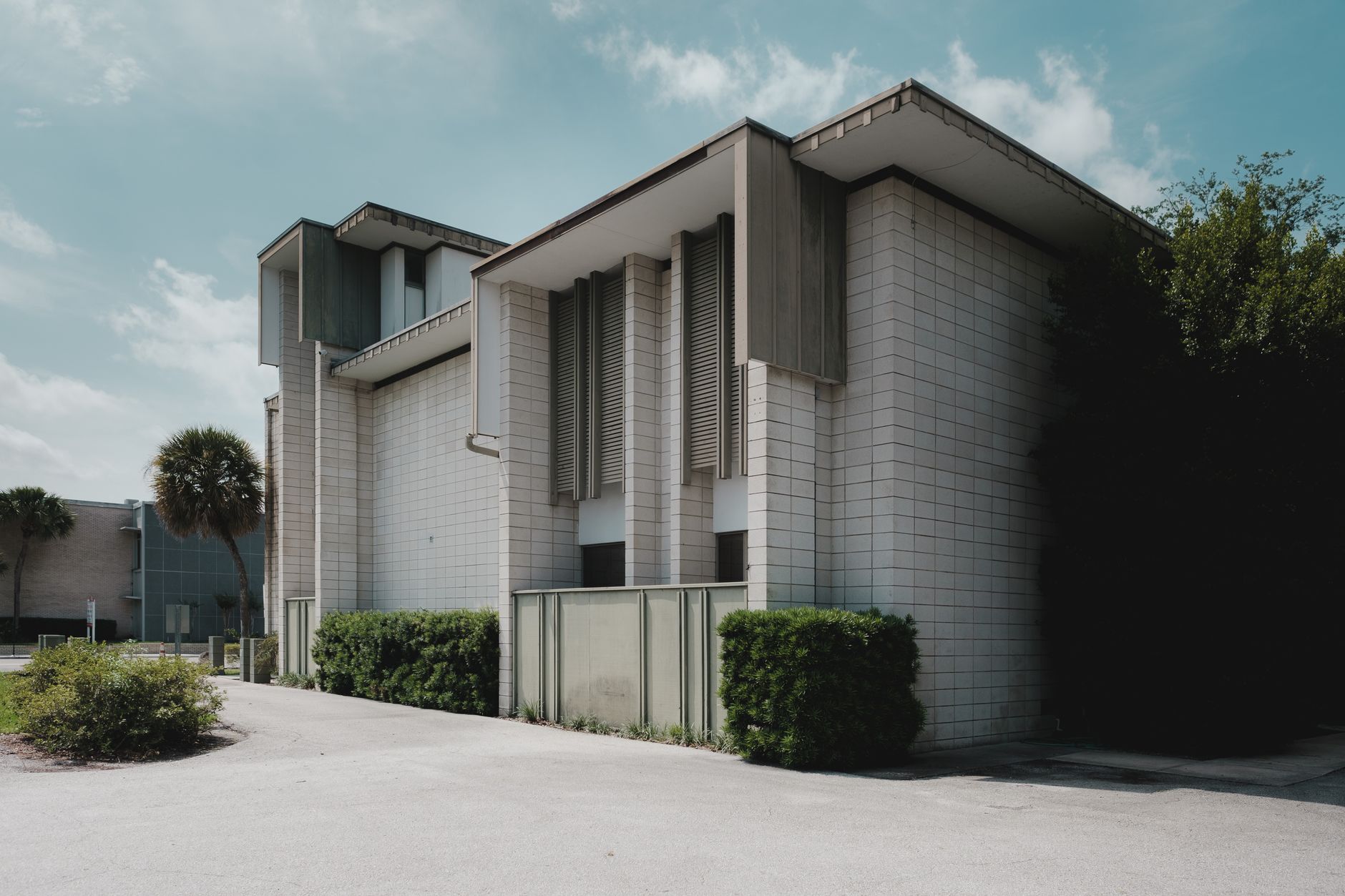
Stuart’s blend of coastal character and active development means opportunity for commercial real estate investors—if you know how to structure your next project. From renovating Main Street retail to repositioning rental portfolios in Palm City or Jensen Beach, investors require reliable financing tailored to the unique demands of Martin County.
This guide breaks down how Stuart commercial real estate loans are evaluated and what local investors, builders, and property owners should prepare for. Whether planning a major acquisition, a renovation, or a bridge-to-stabilization strategy, qualifying for business-purpose loans depends on more than just the property address.
Commercial property situations AFI can review
Not every property or borrower fits the same financing box, and AFI Private Lenders recognizes the wide spectrum of commercial deals found from historic downtown Stuart to new development zones in Port St. Lucie. Requests AFI may consider include loans secured by retail buildings, office spaces, light industrial facilities, mixed-use assets, and non-owner-occupied multifamily properties. The focus is on business-purpose loans, such as purchases, portfolio refinancing, and creative repositioning deals where the collateral and business plan demonstrate investment merit.
Acquisition, refinance, bridge and repositioning scenarios in Stuart
Every market on the Treasure Coast presents unique timing and capital demands. In Stuart, commercial property buyers frequently use bridge financing to secure properties that require work or to move quickly ahead of longer-term funding. Investors repositioning an aging building in Jensen Beach or seeking to purchase a rental portfolio in Hobe Sound often look for short-term solutions until the asset is stabilized or leased up. AFI Private Lenders can review scenarios involving purchase, bridge-to-permanent strategies, cash-out refinancing for renovations, or funding for commercial properties in need of tenant improvements. Bridge loans are especially relevant for complicated title, occupancy or credit situations, as well as transitional projects not well served by conventional banks.
Stuart commercial real estate loans: Evaluating collateral quality, occupancy and property condition
Unlike cookie-cutter lending, each application is examined for the property’s current and projected viability. Collateral assessment in Stuart and Martin County considers current occupancy (stabilized or otherwise), tenant quality, neighborhood trends, and the asset’s physical status. For example, a fully leased retail strip on US-1 in Stuart may be viewed differently from a half-vacant mixed-use property undergoing upgrades in Palm City. If your plan involves renovations, AFI will want to understand how improvements impact long-term value, rent potential and marketability, keeping in mind that the location and property use directly affect qualifying leverage and risk.
Tenant, lease, and business-plan information
For almost any commercial project, tenant mix and lease details heavily influence underwriting. Investors looking for Stuart private lenders should be prepared to provide current rent rolls, lease agreements, and any tenant improvement plans. In the case of speculative lease-ups, business plans that clearly describe marketing, lease-up timelines, and end-user demand in neighborhoods like downtown Stuart, Jensen Beach, or near Port St. Lucie will help lenders gauge both cash flow and exit strategy credibility. Longer-term tenants, strong covenants, and detailed improvement programs frequently help de-risk the request and clarify the project’s viability.
Leverage, capital improvements, and borrower equity explained
Key to any approval is how much capital the investor is committing versus total project cost. In Martin County, especially on value-add plays or large renovations, AFI typically reviews both hard equity and reserves for improvements. Transactions may qualify for varying leverage, depending on risk, collateral, sponsor experience and ability to advance the business plan. Substantial proof of funds and equity signals sponsor readiness, especially when repositioning older assets or expanding into nearby markets like Hobe Sound or Palm City. Renovation budgets, scope of work, and planned capital expenditures must be realistic and thoroughly documented.
Exit strategy and loan-duration planning
No matter how compelling the asset or plan, successful Stuart investment property loans depend on a clear exit. Whether your business plan is to refinance into a long-term loan, sell to an owner-user, or recapitalize after lease-up, the intended exit—and its timeline—will directly inform loan structure. If the property is in transition, details about planned renovations, anticipated stabilization, and expected valuation at payoff are essential for underwriters to properly structure the duration and terms of a bridge or renovation loan.
What to send for a commercial financing review
AFI Private Lenders encourages Martin County investors to streamline reviews by submitting a concise executive summary outlining property address (when permitted), purchase contract or payoff statement, business plan, current rent roll or NOI history, and estimates for capital expenditures or improvements. Borrowers should also be ready to provide organizational info and sponsor background. Traditional credit scoring is not relied on heavily for qualifying fix-and-flip loans, but documentation of experience managing or repositioning assets in Stuart, Jensen Beach, or Port St. Lucie can strengthen your case, especially on value-add projects.
When bank or longer-term financing may be preferable
There are circumstances in Martin County where conventional lending could be a better fit than a private lender. If your property is fully stabilized, leased to credit tenants, and you plan to hold long term, local banks or national lenders may offer more affordable rates and longer amortization. Projects qualifying for SBA loans or Fannie/Freddie multifamily products may also find better terms elsewhere. Private commercial loan programs—like those provided by AFI—are most relevant when timing, flexibility, or property condition create roadblocks for traditional lenders. Evaluating all options ensures that both your investment and financing strategies remain aligned.
Real Estate Investor Financing FAQs
What types of commercial properties in Stuart and Martin County are typically considered for private loans?
Common property types include retail, office, light industrial, mixed-use, and non-owner-occupied multifamily buildings. Unique situations may also be considered if they have strong business cases.
Do I need prior experience with commercial real estate to qualify for a Stuart investment property loan?
While experience can improve your application, first-time investors are not automatically excluded. However, a well-documented business plan and financial strength are important.
How are bridge and renovation loans for commercial properties underwritten in this region?
AFI reviews collateral quality, occupancy levels, renovation scope, planned improvements, exit strategy, and sponsor equity. Every situation is evaluated based on risk and potential upside.
Is traditional credit scoring a major factor in qualifying for Stuart commercial real estate loans?
Traditional credit scores may be considered, but for business-purpose fix-and-flip or renovation loans, collateral and business plan usually weigh more heavily.
What should I prepare to submit for an initial review of a commercial loan request?
Have your executive summary, property details, purchase contract or payoff statement, rent roll or NOI, business plan, and renovation budget ready. Sponsor resumes and background info can help as well.
How important is my exit strategy for approval of a Martin County investment property loan?
Exit strategy is crucial. Lenders want to understand exactly how and when they will be repaid, whether via sale, refinance, or another recapitalization event.
Are private commercial loans always better than bank loans in Stuart?
Not always. Private loans are often better for transitional properties and time-sensitive plays, while bank loans may best suit stabilized, low-risk properties with longer-term holds.
Have a Stuart investment property to finance?
Send the property address, requested loan amount, property type and investment plan for an initial review.