Discover how St. Petersburg multifamily loans are evaluated and structured for real estate investors and developers. This guide addresses key underwriting criteria, renovation plans, and local factors across Pinellas County.
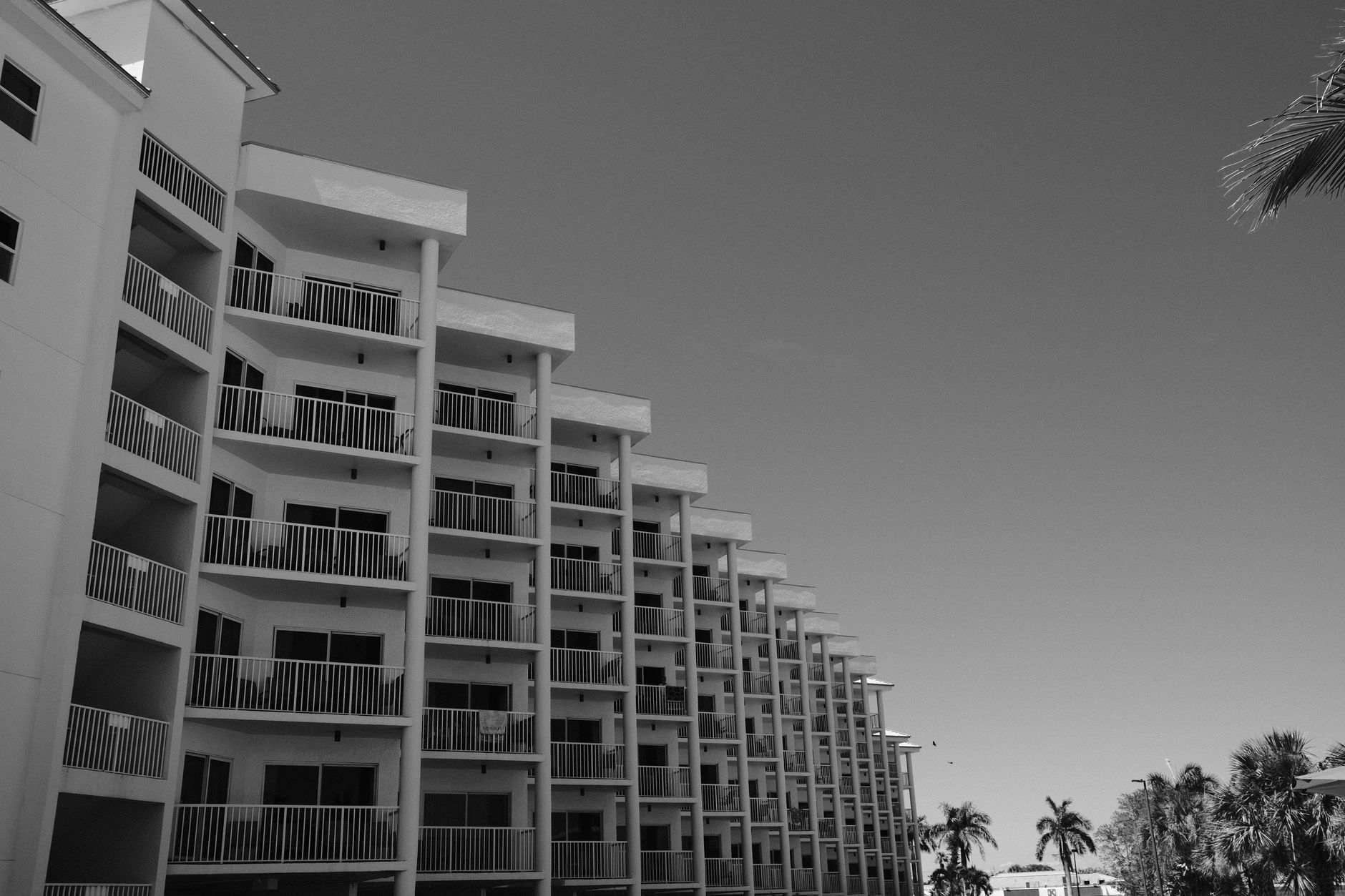
St. Petersburg’s thriving multifamily real estate market offers substantial opportunities for investors seeking to purchase, renovate, or stabilize properties in Pinellas County’s most promising neighborhoods. Navigating the right financing solution is essential as competition and carrying costs continue to shape the landscape from downtown St. Pete to nearby communities like Clearwater and Largo.
This guide to St. Petersburg multifamily loans explores how local investment projects are evaluated by private lenders, especially when renovation scope and operational expenses can significantly impact returns. Whether you’re acquiring your first small-scale building or repositioning a larger asset, understanding local financing expectations is critical for Pinellas County success.
How Multifamily Private Lending Differs from a Simple Single-Family Loan
Pursuing a St. Petersburg multifamily loan is a distinctly different proposition from obtaining a single-family investment mortgage. While both fall under the umbrella of business-purpose real estate financing, multifamily lending involves more rigorous underwriting, broader property analysis, and closer assessment of operational risks. Lenders such as AFI Private Lenders factor rental income, occupancy trends, and operating expenses heavily into their evaluation—not just property value or purchase price.
Loan requests for triplexes, small apartment complexes, or mid-sized multifamily assets in St. Petersburg or Pinellas Park undergo additional scrutiny because multiple tenants, higher expense ratios, and potential turnover can affect loan performance. Understanding these added layers is the first step for any local investor transitioning into multifamily projects.
Unit Count, Occupancy, and Rent-Roll Information
For multifamily loans in St. Petersburg, providing a full breakdown of unit count, current occupancy, and supporting rent-roll documentation is critical. Lenders generally require a detailed rent roll showing current lease terms, rental amounts, and tenant history across all units—whether it’s a fourplex in Largo or a mid-size garden complex in Seminole.
Vacancies, under-market rents, and short-term leases are key risk factors that may influence how a private lender in St. Petersburg weighs your loan application. Stable occupancy and predictable rental income often strengthen a case for competitive leverage and financing terms, while significant vacant units require a thoughtful stabilization plan and clear projections.
Property Condition and Renovation or Stabilization Plans
In Pinellas County, the condition of your investment property and the scope of any planned renovations are at the heart of the multifamily lending process. Lenders like AFI Private Lenders will want to see detailed renovation budgets, contractor estimates, and a phased plan to address deferred maintenance or value-add improvements—whether your project’s in downtown St. Pete or suburban Clearwater.
Properties in need of major upgrades require careful budgeting for both hard-cost renovations and soft carrying costs such as taxes, insurance, and utilities during the rehab period. AFI can consider qualifying requests for multifamily investment properties subject to property condition, planned improvements, and your ability to execute your business plan successfully.
Operating Expenses, Reserves, and Debt-Service Pressure
St. Petersburg investment property loans must account for the day-to-day realities of managing multifamily assets—particularly when carrying costs fluctuate across Pinellas County’s diverse neighborhoods. Major expense categories include insurance premiums (notably important in Florida), property taxes, utilities, repairs, management fees, and reserves for ongoing maintenance.
Private lenders closely review projected operating expenses and require substantial reserves to mitigate potential shortfalls during lease-up or renovation. Underestimating these expenses can quickly erode cash flow and put pressure on debt service—a key reason why conservative, transparent expense projections are essential to any successful multifamily loan request in St. Petersburg.
Acquisition, Bridge, and Refinance Use Cases for St. Petersburg Multifamily Loans
St. Petersburg multifamily loans from private lenders can be structured for several distinct purposes. Acquisition loans are frequently used by investors buying properties in transitioning neighborhoods like Kenwood or Pinellas Park, where deferred maintenance presents value-add potential. Bridge loans suit buyers with plans to stabilize vacancy or reposition units before obtaining permanent financing. Refinance transactions—common in growth corridors such as Seminole or Northeast St. Petersburg—often target rate reductions, cash-out for renovations, or buyout of partners after a successful turnaround.
Each use case carries unique underwriting considerations, and not every property will qualify. It’s critical to align your business plan and exit strategy with the intended loan purpose—balancing short-term flexibility with eventual long-term goals.
Leverage and Borrower Equity Considerations
While leverage can amplify returns for Pinellas County real estate investors, private lenders like AFI carefully weigh how much capital you have at risk alongside the rental property’s fundamentals. Higher equity contributions not only help absorb surprises during extensive rehab but also indicate financial stability and commitment to the project’s success. For both acquisitions and renovations in St. Petersburg, the maximum leverage is determined by a blend of property income, condition, sponsor experience, and business plan—not by a one-size-fits-all ratio.
Too much leverage increases debt-service risk, especially as operating costs and interest rates vary. It’s essential for investors to model various equity scenarios and understand the trade-offs for their specific project before committing.
What to Send AFI for a Multifamily Review
To move forward with a St. Petersburg multifamily loan request, investors should assemble a comprehensive package for AFI Private Lenders that includes:
- Current rent roll and lease agreements
- Detailed property photos (inside and out)
- Purchase contract or payoff statement (if refinancing)
- Scope of work and contractor bids for renovations
- Operating expense breakdown and reserves plan
- Evidence of recent income or trailing 12-month financials
- Your business plan, exit strategy, and sponsor background
While traditional credit scoring is not relied on heavily for qualifying fix-and-flip projects, multifamily loans require a more holistic approach based on asset performance, borrower experience, and the reality of the proposed project. Transparency and organization help expedite the review process.
Exit Planning and Longer-Term Financing Options
Securing a private loan for a multifamily property in St. Petersburg is often just the first financing step. Pinellas County investors need a clearly articulated exit strategy, whether it’s stabilizing rents for a traditional bank refinance, selling after repositioning, or holding for long-term cash flow. Private bridge loans can offer critical flexibility, but longer-term solutions require planning from day one—especially as interest rates and lending appetites evolve.
Those considering refinancing into agency or bank debt must track operational milestones and maintain rigorous property documentation throughout the project. Developing and periodically reviewing your exit plan can help ensure your investment property transitions smoothly—and profitably—regardless of shifts in local market dynamics.
Real Estate Investor Financing FAQs
How do St. Petersburg multifamily loans differ from those for single-family properties?
Multifamily loans involve more complex underwriting, with a strong focus on rental income, unit occupancy, operating expenses, and property management compared to single-family investment loans.
What documents should I provide for a multifamily loan review?
You'll need a current rent roll, lease agreements, property photos, purchase contract (or payoff for refinance), detailed rehab scope, expense breakdown, and a clear business plan.
Can AFI Private Lenders finance value-add or renovation projects in Pinellas County?
AFI can consider qualifying multifamily loans for properties needing renovations, provided the business plan, property condition, and borrower experience meet their criteria.
What are the biggest underwriting challenges for St. Petersburg multifamily projects?
Common challenges include unstable occupancy, poorly documented rent rolls, underestimated expenses, and insufficient reserve planning for carrying costs.
Is traditional credit scoring a major factor in qualifying?
For multifamily loans, AFI looks holistically at the asset, income, and sponsor rather than relying heavily on traditional credit scoring—but some credit review will occur.
What types of exit strategies work best for value-add multifamily deals?
Popular strategies include refinancing into long-term bank loans after stabilization, or reselling the property after increasing income and reducing vacancies.
How important are reserves in the loan process?
Reserves are critical—lenders expect you to budget for operating expenses, vacancies, and unforeseen issues to ensure stable project performance during renovation or lease-up.
Have a St. Petersburg investment property to finance?
Send the property address, requested loan amount, property type and investment plan for an initial review.