A practical guide for real estate investors exploring Port St. Lucie new construction loans, with a focus on investment property and rental financing options across the Treasure Coast.
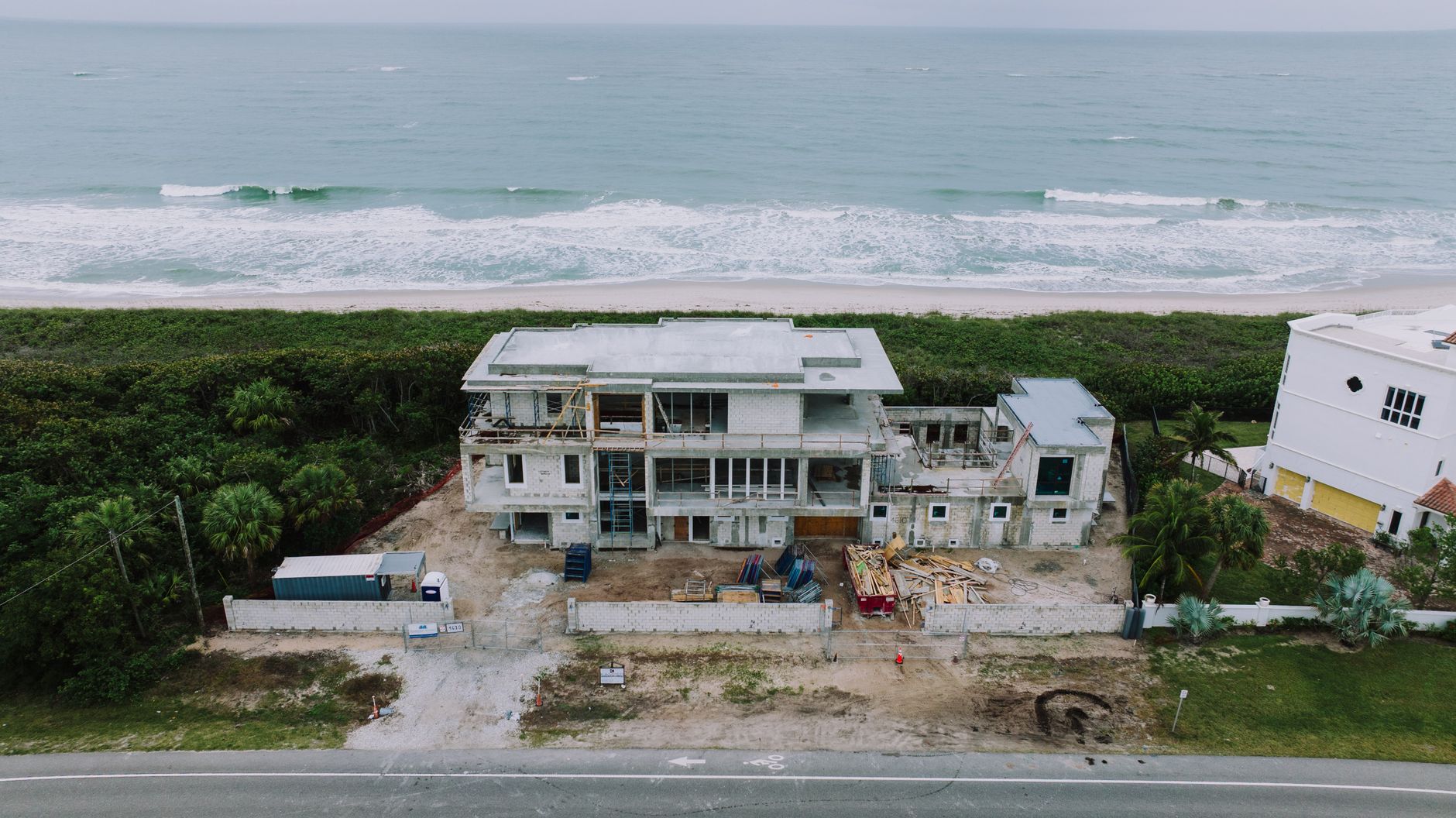
Port St. Lucie continues to draw real estate investors and builders seeking opportunities to develop new rental homes and investment properties in a fast-growing Treasure Coast market. However, securing the right new construction loan for a ground-up residential project here involves considerations unique to St. Lucie County communities.
This guide dives into how Port St. Lucie new construction loans are evaluated by private lenders for investment and residential rental projects. Learn what makes a project financeable, how to approach underwriting, and what steps investors should take before funding a new build in Port St. Lucie, Tradition, or neighboring areas like Fort Pierce and Jensen Beach.
What Makes a Ground-Up Construction Request Financeable
For investors exploring Port St. Lucie new construction loans, the first question private lenders ask is: Does the proposed project stand on its own as a sound investment? Lenders such as AFI Private Lenders examine the neighborhood’s rental or resale demand, the property type, and the applicant’s exit strategy. Whether you’re building single-family homes near Crosstown Parkway or duplexes for rental in Tradition, projects must demonstrate value creation upon completion. Lenders also focus on factors like the projected timeline, the sponsor’s experience (including willingness to review qualifying requests from first-time builders), and whether the site or deal has unique risks, like challenging site conditions or access issues often encountered in certain parts of Port St. Lucie and Fort Pierce.
Land, Plans, Permits and Project Readiness
Before applying, investors should have legal control of the land—either through ownership or a binding contract. Fully fleshed-out architectural plans, engineering, and detailed permit applications signal project readiness. Private lenders typically require evidence that site plans align with city or county codes, while understanding local nuances in Port St. Lucie and St. Lucie County permit processes can help anticipate timing and potential obstacles. Readiness to build is a key evaluation criteria, as it minimizes holding costs and signals a higher probability of project success.
Builder, General Contractor and Project-Team Considerations
The experience and track record of the builder and the general contractor play a significant role for Port St. Lucie private lenders. While AFI is open to reviewing qualifying projects from first-time builders, established teams with strong portfolios help build lender confidence, especially when constructing rental housing or multi-unit properties. Clear evidence of the GC’s licensing, insurance, and track record with similar builds in the Treasure Coast region will be required in most cases. Investors with out-of-area teams should consider working with local professionals familiar with suppliers and subcontractors around Jensen Beach and Stuart.
Budget Detail, Contingency and Borrower Liquidity
Detailed, realistic project budgets are crucial. Lenders look for well-supported cost estimates that break down labor, materials, site work, landscaping, and soft costs. Contingency reserves are expected to absorb unforeseen expenses—which are common in ground-up residential construction. Beyond the project budget, borrower liquidity is assessed to ensure that the investor can weather delays, handle interest payments, or bridge gaps that sometimes arise before rental stabilization or sale. Investors eyeing Port St. Lucie investment property loans should be prepared to show bank statements, proof of reserves, or other documentation.
How Construction Draws Work After Closing
Once a construction loan closes, funds are released in draws as the project progresses. At AFI Private Lenders, construction draw requests are designed to be straightforward and practical for qualifying projects, subject to the loan documents, third-party inspections, and underwriting standards. Each draw is typically tied to verified completion of construction phases—such as foundation, framing, mechanicals, and final inspections. Prompt documentation and clear communication help keep construction on track from Jensen Beach to Stuart.
Schedule Risk, Cost Overruns and Change Orders
Every new construction project faces the risk of delays or unplanned expenses. Local weather, labor shortages, and supply chain hiccups can affect timelines in Port St. Lucie and the surrounding Treasure Coast. Private lenders generally require robust contingencies and solid project management to address these risks. Change orders—modifications or upgrades requested after construction begins—can threaten budgets if not managed thoughtfully. Sophisticated investors often use contingency planning and transparent change-order approval processes with their builders and lenders to minimize these risks.
Sale, Refinance and Rental-Stabilization Exits
Ultimately, a clear exit strategy is essential to any Port St. Lucie new construction loan request. Common exits include selling completed homes, refinancing into longer-term rental financing for single-family or small multifamily homes, or stabilizing the asset with tenants. Lenders want strong, realistic plans that reflect current market conditions in Port St. Lucie, Tradition, and St. Lucie County. For rental projects, proof of achievable rent levels and a lease-up plan are helpful. An ambiguous exit—such as speculative sale pricing with limited comparable sales—can weaken a loan request.
A Construction-Loan Submission Checklist
- Land control: Purchase agreement, deed, or contract evidencing site ownership/control.
- Plans and permits: Architectural, engineering, and zoning documents; status of local approvals.
- Builder/GC details: Resume, licenses, insurance, portfolio of similar completed projects.
- Budget: Full itemization with bids or cost support, plus a contingency line.
- Borrower finances: Bank statements and proof of reserves or liquidity.
- Exit strategy: Sale comps, rental pro formas, or refinance options.
- Supporting materials: Timeline, supplier/subcontractor lists, and any third-party vendor references.
Carefully assembling this information before submitting for underwriting can accelerate review and help avoid surprises after closing. Local investors and out-of-area sponsors developing in Port St. Lucie and the Treasure Coast will benefit from a structured approach tailored to the area's active real estate market.
Real Estate Investor Financing FAQs
Which types of new construction properties can be financed for investment purposes in Port St. Lucie?
Projects eligible for business-purpose financing may include single-family, duplex, triplex, or small multifamily homes structured for investment or rental use.
Are first-time builders considered for new construction loans in St. Lucie County?
Yes, AFI Private Lenders will review qualifying requests from first-time builders, but approval is not guaranteed and depends on the overall project strength, team, budget, and plans.
How do construction draws work for a Port St. Lucie new construction loan?
Draws are distributed after verified completion of construction phases, subject to inspections and documentation as outlined in the loan agreement.
What documentation should I prepare before applying?
Be ready with land control documents, architectural plans, detailed budgets, builder qualifications, proof of contingency and liquidity, and a clear exit strategy.
Can I use a construction loan to build a rental property in Tradition or Fort Pierce?
Yes, qualifying investors developing in Tradition, Fort Pierce, and other St. Lucie County communities can seek new construction loans for business-purpose projects.
How important is borrower liquidity for qualifying?
Liquidity helps demonstrate the applicant can handle project changes, delays, and bridging costs, which is important for construction loan approval.
Do I need to have permits in hand before applying for a construction loan?
Permits in-hand are not always required at application, but strong readiness—including plans and permit progress—improves chances for timely approval.
Have a Port St. Lucie investment property to finance?
Send the property address, requested loan amount, property type and investment plan for an initial review.