Navigating Port St. Lucie's thriving real estate market requires the right financing. Learn how local fix & flip loans are evaluated for investors and landlords.
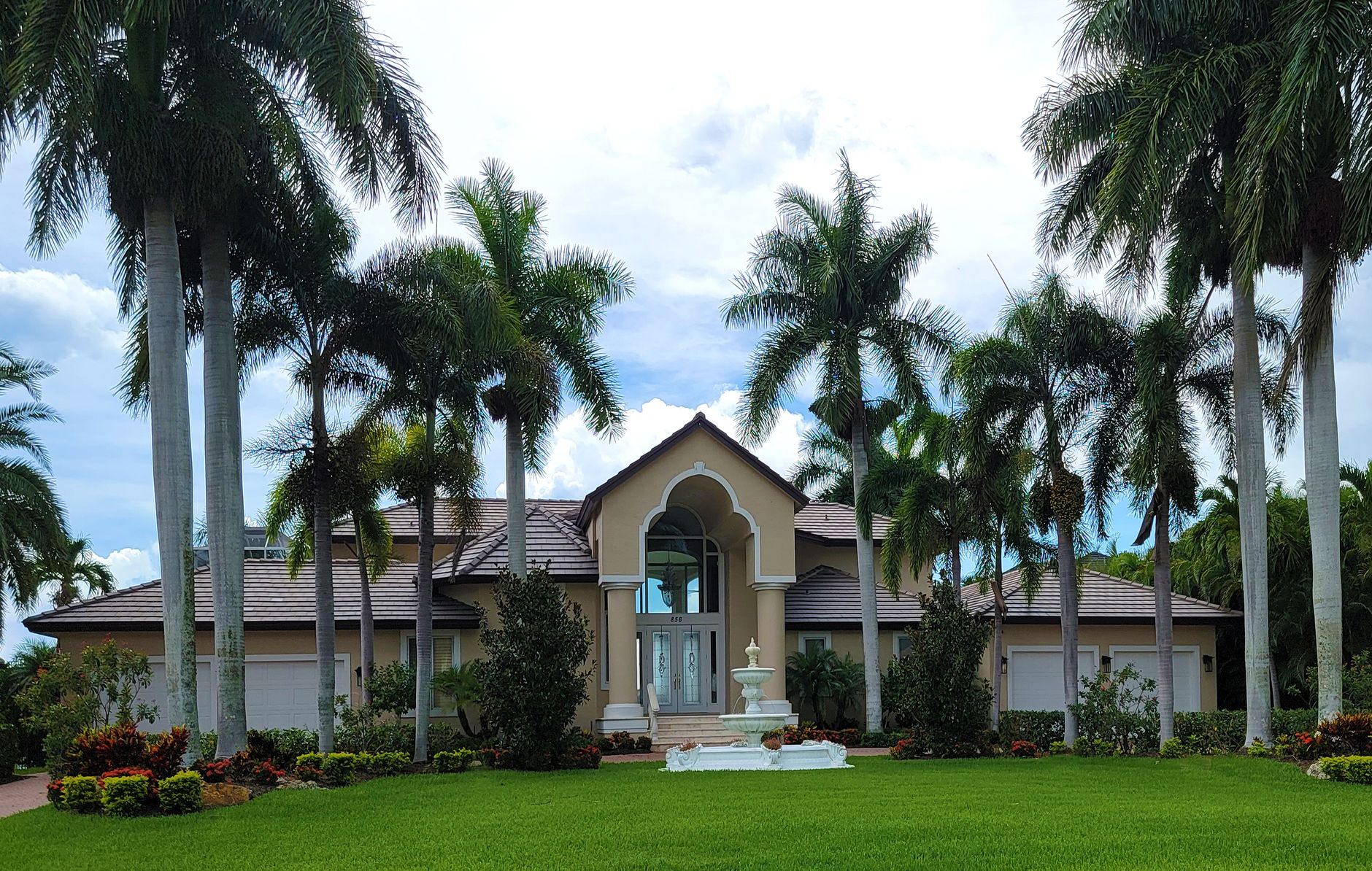
Port St. Lucie's rapid population growth and evolving neighborhoods make it a compelling destination for real estate investors and rehabbers. However, success in the fix and flip space depends just as much on smart financing as on construction know-how.
This guide breaks down how Port St. Lucie fix and flip loans are evaluated for residential investment properties—not only within city limits, but also across St. Lucie County communities like Fort Pierce, Jensen Beach, Stuart, and Tradition. Whether renovating a single-family home for resale or converting a duplex into a cash-flowing rental, understanding these lending fundamentals can help advance your next Treasure Coast project.
How Fix-and-Flip Financing Is Evaluated in Port St. Lucie
Fix and flip loans in Port St. Lucie Florida are underwritten differently from consumer mortgages or traditional bank loans. Instead of focusing primarily on your personal credit profile, private lenders such as AFI evaluate the investment property itself, your renovation plan, and your strategy to repay or exit the loan. This business-purpose approach aligns with the needs of experienced real estate investors, rehabbers, and landlords operating in the fast-moving residential markets of St. Lucie County and the broader Treasure Coast region.
Purchase Price, Current Condition and Renovation Scope
For both single-family homes and small multifamily properties, the initial purchase price is just the starting point. Lenders closely consider the property’s current condition and the scale of repairs or improvements that will be required. In Port St. Lucie neighborhoods where housing stock ranges from new builds in Tradition to older bungalows near downtown, a thoughtful renovation scope is critical. Over-improving a property may jeopardize your exit plan, while skimping on essential work could limit resale or rental potential.
Why the Property and Project Can Matter More Than Traditional Credit Scoring
In fix and flip lending, the strength of the asset and business plan often outweigh personal credit scores. AFI Private Lenders, for example, does not rely heavily on traditional credit scoring for qualifying fix and flip loans, instead emphasizing the quality of the property, clarity of the project, your experience as an investor, project leverage, realistic budgeting, and a sound exit strategy. This allows borrowers with strong investment analysis and project management skills to access Port St. Lucie investment property loans, even if they are still building personal credit history—though approval is never automatic or guaranteed.
Rehab Budget, Contractor Planning and Construction Draws
Preparing a detailed and realistic rehab budget is essential for any fix and flip loan in St. Lucie County. Lenders will review your construction plans, scope of work, contractor bids, and material estimates. AFI strives to keep construction draw requests straightforward and practical for qualifying projects, but draws are always subject to loan documents, inspections, and general underwriting. In areas like Jensen Beach or Fort Pierce, where contractor supply and pricing can fluctuate, clear documentation and timeline planning help ensure your project stays on track during each rehab phase.
Borrower Liquidity, Contingency and Carrying Costs
Private lenders want to confirm you have the liquidity to cover down payments, closing costs, a portion of rehab expenses, and any potential overruns. Carrying costs such as utilities, taxes, and insurance during renovation periods should be factored into your upfront budget. Experienced investors in St. Lucie County often establish contingency reserves for unexpected repairs or longer-than-anticipated market times, especially when working with older homes or complex renovations in communities like Stuart and Tradition.
Exit Strategy: Resale, Refinance or Rental Conversion
Showing a credible exit strategy is central to any Port St. Lucie fix and flip loan review. Will you sell the renovated property for a profit? Refinance into a conventional rental loan? Hold as a long-term rental in a growing neighborhood? Lenders will ask for market comps, a summary of your sales or leasing plan, and evidence of local rental demand if conversion is your goal. Each route carries its own benefit/risk profile, depending on your investment goals and the market niche—whether in central Port St. Lucie, near the Treasure Coast Research Park, or in the up-and-coming districts of Fort Pierce.
What to Send AFI for an Initial Review
To start a fix and flip loan inquiry, gather the basics: the property address and type, estimated purchase price, renovation scope, detailed budget, contractor info, and your projected exit strategy. Additional helpful materials include inspections, photos, comparable sales or rental comps, and background on your investing experience in St. Lucie County or elsewhere along Florida’s East Coast. AFI reviews these materials through a business-purpose lens focused on the deal and your execution plan—not just your credit report.
When Another Financing Option May Be a Better Fit
Not all projects are ideal candidates for Port St. Lucie private lenders. If you’re acquiring stabilized, turnkey rentals with minimal renovations, a long-term investment property loan might offer lower rates or longer amortization. In situations where heavy ground-up construction or unusual property types are involved, specialized construction or bridge loans may be more appropriate. First-time builders without a track record may also encounter more scrutiny. Matching your loan structure to your project size, timeline, and risk tolerance is key to maximizing returns and avoiding unnecessary obstacles in St. Lucie County’s active real estate market.
Real Estate Investor Financing FAQs
What types of properties qualify for Port St. Lucie fix and flip loans?
Single-family homes, duplexes, and small multifamily residences are typical candidates, provided the project meets business-purpose criteria and passes underwriting review.
Is credit score important for fix and flip loan approval?
Traditional credit scoring is not heavily relied on by AFI for qualifying fix and flip loans; project quality, leverage, budget, and exit strategy are key.
Can I use a fix and flip loan for rental property conversion in St. Lucie County?
Yes, many investors use fix and flip loans to renovate and then refinance or lease their properties after the rehab, depending on local demand and strategy.
How are construction draws managed during renovation?
Draws are processed based on your budget, scope of work, and completed inspections, and are subject to the requirements in your loan documents and underwriting.
Do I need local experience to qualify for a fix and flip loan in Port St. Lucie?
Experience strengthens your request, but new investors are considered if they present clear budgets, viable projects, and realistic exit plans.
What documentation speeds up an initial loan review?
Providing a property address, estimated purchase price, scope of work, rehab budget, contractor info, and exit strategy helps lenders start your review quickly.
When should I consider other financing options?
Projects with minimal repairs, long-term holds, ground-up construction or niche property types may be better served by other loan products.
Have a Port St. Lucie investment property to finance?
Send the property address, requested loan amount, property type and investment plan for an initial review.