Explore how Naples investors secure private multifamily loans for Southwest Florida acquisitions and value-add projects, with a focus on local deal structure and exit planning.
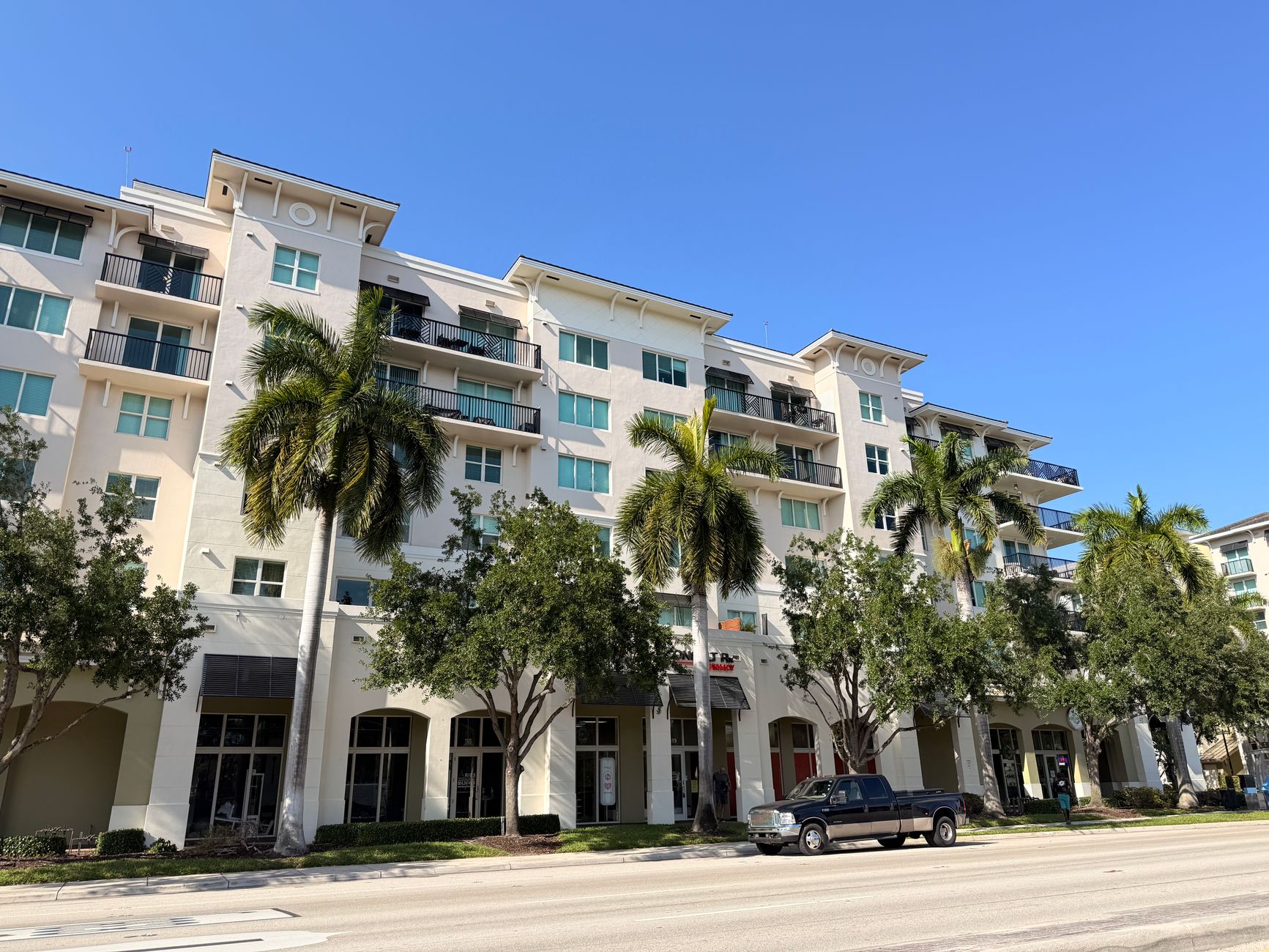
Naples multifamily loans provide real estate investors across Collier County with tailored options to finance apartment buildings and mixed-use properties. Whether targeting a classic garden-style project in North Naples or repositioning a dated complex in Golden Gate, understanding how private lending evaluates multifamily requests is essential for securing the right capital stack.
Investors who recognize the unique underwriting priorities of Naples private lenders can build stronger business cases for acquisitions, bridge loans, or refinances—especially when planning value-add improvements or navigating South Florida’s seasonality and carrying costs. Below, we walk through the specific elements that shape approvals for Collier County real estate investor financing and explain how to best prepare for multifamily loan reviews.
How Multifamily Private Lending Differs from Single-Family Loans
Multifamily loans in Naples differ from single-family financing in several critical ways. While single-family investment loans are often driven by property value and short-term resale plans, multifamily deals require deeper scrutiny of income streams, occupancy trends, and the borrower's capability to execute a business plan. Naples private lenders focus on the operational complexity and longer timelines typical of 5+ unit properties, where tenant management, regulatory environment, and renovation staging all impact risk. These structures call for more extensive documentation and a collaborative approach to analyzing future cash flow and exit strategies.
Unit Count, Occupancy and Rent Roll: Core Data for Naples Multifamily Loans
For multifamily loans Naples, Florida investors must be ready to provide up-to-date details on the property’s unit count, current occupancy rates, and rent roll breakdowns. Properties in Naples, North Naples, or Marco Island often present a mix of seasonal and annual leases, which can affect how lenders view revenue quality and stability. Lenders review sustained occupancy—not just moment-in-time stats—to gauge operational health and realistic cash flow projections. A detailed rent roll helps clarify tenant profiles, lease expirations, and income diversification.
Property Condition and Plans for Renovation or Stabilization
The current and planned condition of the building is a central element for any Naples investment property loan. Naples private lenders will examine deferred maintenance, code compliance, and renovation scope—especially for multifamily assets targeted for value-add improvements in areas like Golden Gate or Bonita Springs. Investors should be prepared with contractor bids, itemized budgets, and timelines for projects intended to raise market rents or modernize units. Lenders evaluate whether the capital plan is substantiated and achievable within local permitting and seasonal weather constraints.
Operating Expenses, Reserves and Debt-Service Pressure in Collier County
Carrying costs for multifamily properties in Collier County extend beyond simple mortgage payments. Naples multifamily loans are underwritten with a close look at utilities, property management fees, insurance, property taxes, and variable reserves for repairs or vacancy. Investors must demonstrate how they’ll handle debt service during lease-up, transition, or renovation periods—particularly if acquiring underperforming assets that need stabilization. Strong attention to expense controls and contingency planning helps minimize debt-service pressure and positions a deal for successful execution.
Acquisition, Bridge and Refinance Use Cases for Naples Multifamily Assets
Naples private lenders such as AFI can evaluate diverse multifamily loan scenarios: funding an acquisition of an off-market building in Marco Island, bridging a renovation on a North Naples property, or refinancing an existing loan to unlock capital for additional investments. Each use case brings different requirements. Acquisition loans require clear purchase terms and a viable transition plan, bridge loans require detailed renovation budgets, and refinances put the spotlight on improved performance and justification for the new structure. Investors must clarify intended use and timeline from the outset.
Leverage and Borrower Equity Considerations
Unlike traditional bank loans, private lender leverage is based on a combination of property metrics, investor experience, and business plan feasibility. Naples multifamily loans may be sized toward leverage levels supported by the property’s condition, projected cash flow, and rehab needs—not just today’s market value. Investors should be ready with a meaningful equity contribution and demonstrate their financial stake in the project. In riskier value-add or major repositioning scenarios, lower leverage and higher equity are often prudent to ensure flexibility and alignment of interests.
What to Send AFI for a Multifamily Review
For a thorough multifamily review, investors should prepare a package that includes recent rent rolls, trailing income and expense statements, unit mix and property description, photos or inspection reports, detailed business plan or renovation scope, contractor bids or estimates, property management background, and a summary of the planned exit or refinance strategy. AFI Private Lenders considers Florida multifamily requests based on occupancy, income, asset condition, project plan, and borrower experience. Upfront transparency streamlines the review and helps tailor Collier County real estate investor financing solutions to each opportunity.
Exit Planning and Longer-Term Financing Options
A well-defined exit strategy is essential when pursuing Naples investment property loans for multifamily assets. Investors should outline whether the plan is to refinance into agency or bank debt after stabilization, sell upon completion of value-add improvements, or hold for cash flow and appreciation. Private loans serve as a bridge—requiring a realistic timetable and backup plans given Naples’ cyclical rental markets and insurance dynamics in Southwest Florida. In certain circumstances, another type of financing or a joint-venture structure may better align with longer-term objectives, especially for larger, multi-phase projects.
Real Estate Investor Financing FAQs
What types of Naples multifamily properties do private lenders consider?
Private lenders consider income-producing properties like apartment complexes, duplexes, triplexes, or small multifamily buildings. The property must generate rental income and fit the lender’s business-purpose guidelines.
How important is current occupancy for multifamily loans in Naples, Florida?
Current occupancy is crucial; lenders want to see stabilized income but may also finance transitional properties if there is a credible plan for achieving market occupancy and stable cash flow.
What documentation should I prepare for a Naples multifamily loan application?
Prepare recent rent rolls, income and expense history, business plan or renovation scope, contractor bids, and details on your exit strategy. Photos or inspection reports help, too.
How are operating expenses evaluated for Collier County multifamily properties?
Lenders will scrutinize typical operating expenses, set reserves for repairs and vacancies, and assess whether net operating income supports the proposed debt service during stabilization and beyond.
Is traditional credit scoring a major factor for Naples multifamily loans?
Traditional credit scoring is not relied upon as heavily for qualifying as with some banks; experience, asset quality, and a solid business plan are often more important.
Can I use a Naples private lender for both purchase and refinance of multifamily properties?
Yes, private lenders such as AFI can consider acquisition, bridge, and refinance requests for qualifying multifamily investment properties, subject to underwriting.
What exit strategies are most common for Naples multifamily investors using private loans?
Common strategies include stabilizing and refinancing with long-term debt, selling post-renovation, or repositioning the asset to improve value and cash flow.
Have a Naples investment property to finance?
Send the property address, requested loan amount, property type and investment plan for an initial review.