Explore how Naples commercial real estate loans are evaluated for investment properties. This guide addresses acquisition, value-add, and exit strategy options.
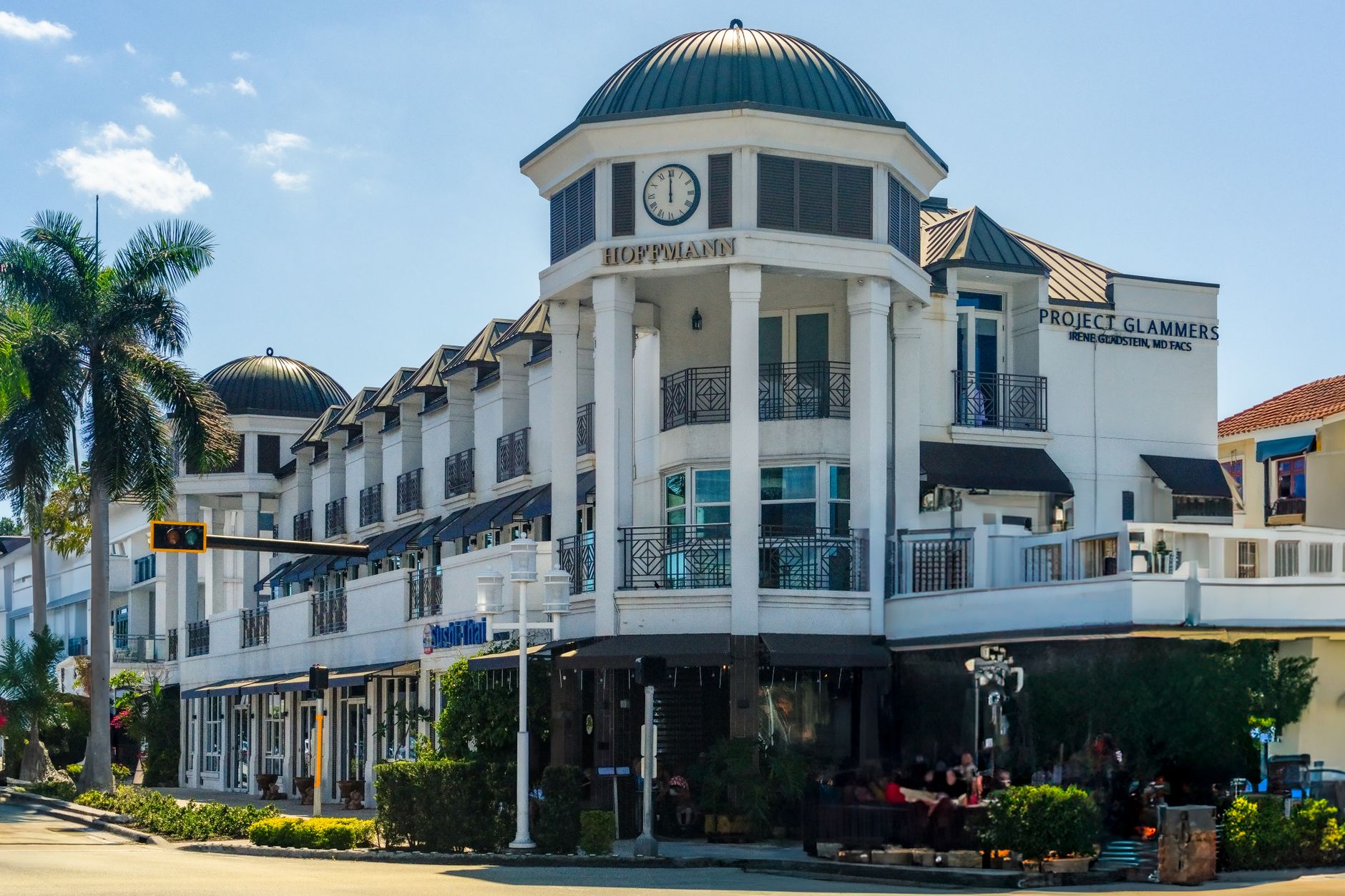
Naples, Florida is a distinctive market for commercial real estate investors, developers, and landlords. With a blend of rapidly evolving mixed-use spaces, historic retail corridors, and opportunities extending from North Naples to Marco Island, few areas in Southwest Florida demand such nuanced financing strategies.
As acquisition and value-add projects become increasingly popular in Collier County, the way lenders evaluate Naples commercial real estate loans matters more than ever. Below, we explore local scenarios, underwriting considerations, and loan-planning strategies that help align your investment goals with the region’s unique market trends.
Commercial Property Situations AFI Can Review in Southwest Florida
AFI Private Lenders considers business-purpose real estate loans for a range of commercial properties in Naples and the greater Collier County region. Projects may include retail storefronts in downtown Naples, offices in North Naples, mixed-use assets along Tamiami Trail, small apartment complexes in Golden Gate, and light industrial spaces near Bonita Springs. Whatever the asset class, the central requirement is a business-purpose use—personal residences and owner-occupied homes do not qualify.
Investor financing is often sought for acquisitions, improvements, or portfolio repositioning. Properties that require stabilization, tenant repositioning, or significant capital upgrades may also be considered, as long as the business plan and exit strategy are clearly defined and property eligibility requirements are met.
Acquisition, Refinance, Bridge, and Repositioning Scenarios
Commercial real estate loans in Naples, Florida, serve a variety of investor objectives. Common scenarios include acquiring value-add retail on Fifth Avenue South, refinancing boutique hospitality projects in Marco Island, and bridging seasonal vacancy periods for multifamily assets near Golden Gate. Short-term bridge loans are prevalent for investors seeking to reposition assets before pursuing conventional refinance or disposition. AFI Private Lenders may also review debt consolidation for properties with maturing loans or acquisitions requiring fast closing, provided the use of funds remains business-purpose and collateral aligns with underwriting guidelines.
Collateral Quality, Occupancy, and Property Condition
In Naples and surrounding communities, collateral quality is a focal point for private lenders. AFI closely evaluates asset condition, existing occupancy, income potential, and overall appearance. A well-maintained office in North Naples or a stabilized mixed-use asset on Pine Ridge Road typically attracts broader financing options than a vacant strip center needing significant repairs. Lenders seek properties that exhibit clear potential for cash flow or rapid repositioning, minimizing the risks posed by deferred maintenance or uncertain tenancy. Importantly, property condition influences leverage, required reserves, and future marketability.
Tenant, Lease, and Business-Plan Information
Tenant mix, lease structures, and ongoing management strategies are critical for Naples investment property loans. For stabilized assets with existing cash flow, details on lease terms, rent rolls, tenant creditworthiness, and historical collections are essential. In the case of vacant or value-add properties, the business plan—including proposed improvements, marketing strategy, and estimated lease-up timeline—should be clearly articulated. Lenders look for realistic rent projections based on comparable Southwest Florida properties, including those in North Naples and Bonita Springs, as well as a credible path to occupancy that supports repayment and exit options.
Leverage, Capital Improvements, and Borrower Equity
AFI reviews investor proposals with a careful eye on leverage, capital expenditure budgets, and the equity investors bring to the table. Naples commercial real estate loans are typically structured around the value and condition of the collateral, with additional attention given to the scope of renovations or repositioning work to be completed. The greater the borrower’s equity contribution, the lower the default risk from a lender’s perspective. Proposals for major renovations should identify projected costs, construction timelines, and how improvements will enhance property value, cash flow, or sale price upon exit.
Exit Strategy and Loan-Duration Planning
Articulating a viable exit strategy is especially significant in the Naples commercial market. Whether your goal is to complete renovations and refinance into a permanent loan, sell stabilized assets to owner-users, or pursue hold-and-lease strategies in developing areas like Golden Gate, lenders must be confident that your plan is realistic for current and future market conditions. Exit strategy impacts acceptable loan duration, available leverage, and reserve requirements. AFI Private Lenders typically works with borrowers who can clearly define their repayment sources, anticipated timelines, and backup options in case of shifting demand or slower-than-projected lease-up.
What to Send for a Commercial Financing Review
To start a review for Naples private lenders like AFI, prepare a comprehensive information package. Essential documents may include a summary of the property (address, size, type, photos), purchase contract or payoff statement, lease agreements (if applicable), historical operating statements, proposed renovation budgets, and a summary of your exit strategy. If the property is vacant or underperforming, a business plan that explains expected improvements, market comparables, and projected rent rolls helps clarify investment rationale and repayment sources. Borrower experience with similar Collier County or Southwest Florida projects can also be valuable context.
When Bank or Longer-Term Financing May Be Preferable
Not every Naples investment is best served by private lender financing. Bank or agency loans may offer lower long-term costs for stabilized, well-leased assets—particularly for established landlords with seasoned properties in North Naples or Marco Island. While Naples private lenders excel at bridging acquisition, improvement, or transitional scenarios, they may not be the best fit for owners seeking 10–20 year fixed-rate terms, maximum amortization, or zero prepayment penalties. Investors should weigh projected holding periods, carrying costs, and refinance risk before choosing the optimal loan structure for their property and market strategy.
Real Estate Investor Financing FAQs
What types of commercial properties qualify for Naples commercial real estate loans?
Properties such as retail, office, mixed-use, multifamily (investment), and light industrial spaces with business-purpose use may be considered for qualifying investor loans.
What information is needed to begin a commercial real estate loan review?
Expect to provide details about the property, purchase terms, income or operating statements, lease information, renovation budget (if applicable), and your exit strategy.
How does property condition affect loan approval in Naples?
Property condition, occupancy, and potential for cash flow or repositioning are closely reviewed. Well-maintained or easily improved assets may qualify more readily for investor financing.
Can first-time investors or builders get commercial loans in Collier County?
While experience can strengthen your case, approval isn't guaranteed for first-time builders. Presenting a credible business plan and strong exit strategy are especially important.
What is a typical exit strategy for value-add commercial loans in Southwest Florida?
Common exits include refinancing into long-term loans after improvements, reselling stabilized properties, or leasing up to maximize cash flow before disposition.
When might bank or traditional financing be a better option than a private lender?
Bank or agency loans can offer longer terms and lower carrying costs for stabilized, low-risk assets with established income and long-term owners.
Have a Naples investment property to finance?
Send the property address, requested loan amount, property type and investment plan for an initial review.