Discover how Melbourne commercial real estate loans are evaluated for investment properties across the Space Coast. Learn how AFI Private Lenders reviews acquisitions, renovations and rental strategies.
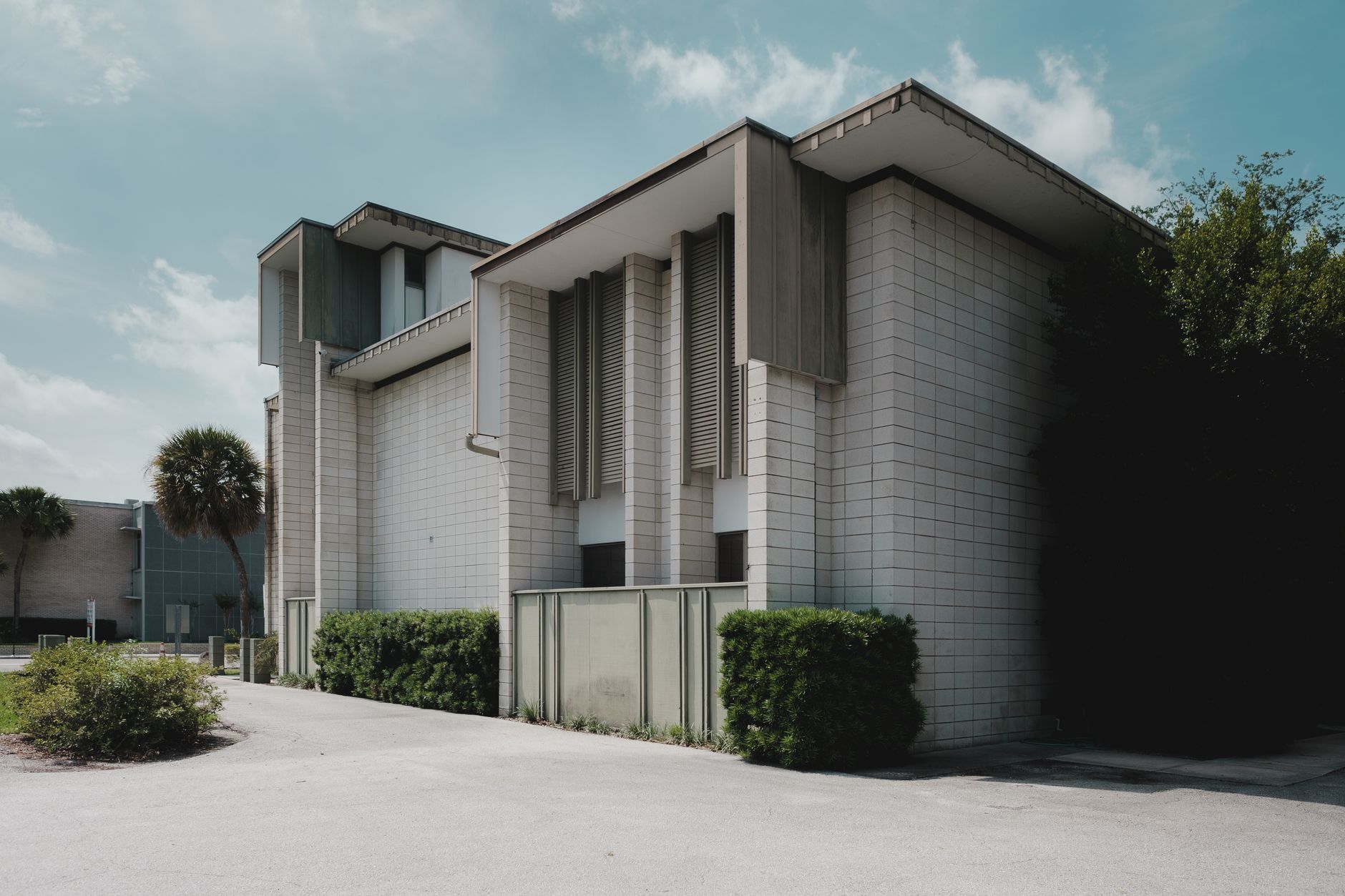
Commercial real estate investors in Melbourne, Florida, operate in a market shaped by the dynamic Space Coast economy, anchored by technology, aerospace and a strong rental demand. As opportunities emerge across Melbourne, Palm Bay and other nearby communities, gaining clarity on local commercial loan options becomes crucial for successful acquisitions, repositioning or portfolio growth.
This investor-focused guide explains how qualifying for Melbourne commercial real estate loans works, what experienced lenders review, and when alternative financing structures might help you reach your property goals across Brevard County.
Commercial Property Situations AFI Can Review
AFI Private Lenders considers business-purpose real estate loans for a range of commercial property types throughout Melbourne and Brevard County. Whether investors are seeking to finance multi-tenant retail centers along Wickham Road, small industrial warehouses supporting NASA contractors, office units in Suntree, or multifamily buildings catering to rental demand near Florida Tech, each scenario brings its own underwriting considerations. Typical situations reviewed include acquisitions of stabilized assets, value-add renovations, property repositionings, and investor-driven rental strategies. Unique local factors—such as proximity to aerospace employers or university demand—can influence risk reviews. All requests must present a clear business purpose and fit AFI’s underwriting framework.
Acquisition, Refinance, Bridge and Repositioning Scenarios
Melbourne’s property market attracts investors seeking more than just stabilized buildings. AFI often reviews acquisition loans for properties that require quick capital, especially when sellers expect expedited closings. Bridge financing is popular among Space Coast buyers who plan major renovations in Palm Bay, West Melbourne or Cocoa, or who need to stabilize occupancy before seeking long-term takeout financing. Refinance requests may involve freeing up equity for other investments or extinguishing higher-cost obligations. For value-add and repositioning projects—such as transforming an older medical office in Rockledge into creative flex space—clear documentation of renovation scope and business plan is key to the review process.
Collateral Quality, Occupancy and Property Condition
When reviewing commercial real estate loans in Melbourne, AFI places significant emphasis on the physical asset itself. Property condition, recent capital improvements, current occupancy and tenant mix all impact perceived risk and leverage. For example, an investor targeting a Titusville strip center with existing long-term leases will be evaluated differently than a buyer acquiring a partially vacant West Melbourne retail asset. Detailed inspections, third-party market evaluations, and interviews with property managers or brokers may be requested to verify asset quality and stability.
Tenant, Lease and Business-Plan Information
Investor success on the Space Coast often hinges on strong tenancy and a viable business plan. AFI requests documentation such as current rent rolls, lease agreements, occupancy histories and plans for tenant retention or repositioning. For mixed-use assets or short-term rental conversions near the Indian River, clarity around intended property use, target renters, and anticipated income can streamline the lending review. Investors pursuing lease-up or renovation strategies in growing markets like Cocoa or Titusville should be prepared to articulate clear goals and support them with demonstrable data and contractor bids where relevant.
Leverage, Capital Improvements and Borrower Equity
Leverage is a central consideration during loan evaluation. While maximum leverage for commercial loans in Melbourne will depend on property type, asset condition, and borrower experience, AFI commonly analyzes how much investor equity is committed, the total project budget, and the percentage dedicated to capital improvements. Lenders assess whether planned renovations reflect market realities in neighborhoods like West Melbourne or Palm Bay, and how borrower equity aligns with overall project feasibility. Greater equity investment can sometimes offset asset or tenant risk, especially in competitive or transitional markets.
Exit Strategy and Loan-Duration Planning
Unlike standard residential lending, business-purpose commercial real estate loans require a well-defined exit strategy. AFI Private Lenders pays close attention to how investors expect to retire the debt—whether through property resale, conventional bank refinancing, or an equity recapitalization upon stabilization. For instance, a landlord renovating a multifamily property near Florida Tech may plan to refinance into agency debt after reaching target occupancy. Outlining realistic timelines and contingency plans is vital, especially when working in volatile or redevelopment-prone corridors across Melbourne and Brevard County.
What to Send for a Commercial Financing Review
For a thorough and timely commercial loan review, investors should prepare to submit property addresses, a detailed summary of the transaction purpose (acquisition, refinance, renovation), purchase or payoff contracts, rent rolls (if applicable), photos, budget summaries for planned improvements, and a brief personal or company background. For value-add or construction requests, supporting documentation such as contractor bids and a market business plan will help address risk considerations. This information enables AFI to determine if the property and strategy align with their lending program—without making any guarantees of approval.
When Bank or Longer-Term Financing May Be Preferable
While private lenders offer flexibility, not every investment scenario in Melbourne or the wider Space Coast calls for private capital. Investors targeting fully stabilized properties with strong credit and predictable income—such as occupied retail in Suntree or established multifamily near Indian Harbour Beach—might secure lower rates or longer amortizations from traditional banks or credit unions. Additionally, portfolio landlords planning to hold assets beyond the term of typical private loans should carefully weigh refinance risk and the availability of long-term takeout options. AFI is available for short- or mid-term financing solutions but encourages investors to evaluate all options for the best fit to their business goals.
Real Estate Investor Financing FAQs
What property types are eligible for Melbourne commercial real estate loans?
Eligible types generally include retail centers, industrial properties, office buildings, mixed-use assets, and multifamily units intended for business or investment purposes.
Can AFI finance renovation or repositioning projects in Brevard County?
Yes, AFI can review requests involving value-add, renovation, and repositioning strategies, provided there is a clear business plan and supporting documentation.
How important is the exit strategy for private commercial loan approval?
Exit strategy is critical. AFI reviews whether investors can repay or refinance the loan, and clarity on timing and backup plans helps strengthen an application.
Do I need to have perfect credit for Melbourne investment property loans?
Traditional credit scoring is not heavily relied on for qualifying fix-and-flip loans, though overall financial responsibility and experience are still important factors.
Are properties in Palm Bay, Cocoa and Titusville eligible?
AFI can consider business-purpose loans throughout Melbourne and neighboring Space Coast communities like Palm Bay, West Melbourne, Cocoa, Rockledge and Titusville.
What documentation is typically required to start a loan review?
Expect to submit property details, transaction purpose, rent rolls (if applicable), photos, improvement budgets, and business or borrower background summaries.
When is traditional bank financing a better fit than private lending?
Bank financing may be better for stabilized assets, longer-term holds, and borrowers seeking lower rates for well-leased properties with strong credit histories.
Have a Melbourne investment property to finance?
Send the property address, requested loan amount, property type and investment plan for an initial review.