Explore how Fort Lauderdale second position and mezzanine financing enables investors, builders, and property owners to unlock value in complex, time-sensitive acquisitions and refinancing scenarios throughout Broward County.
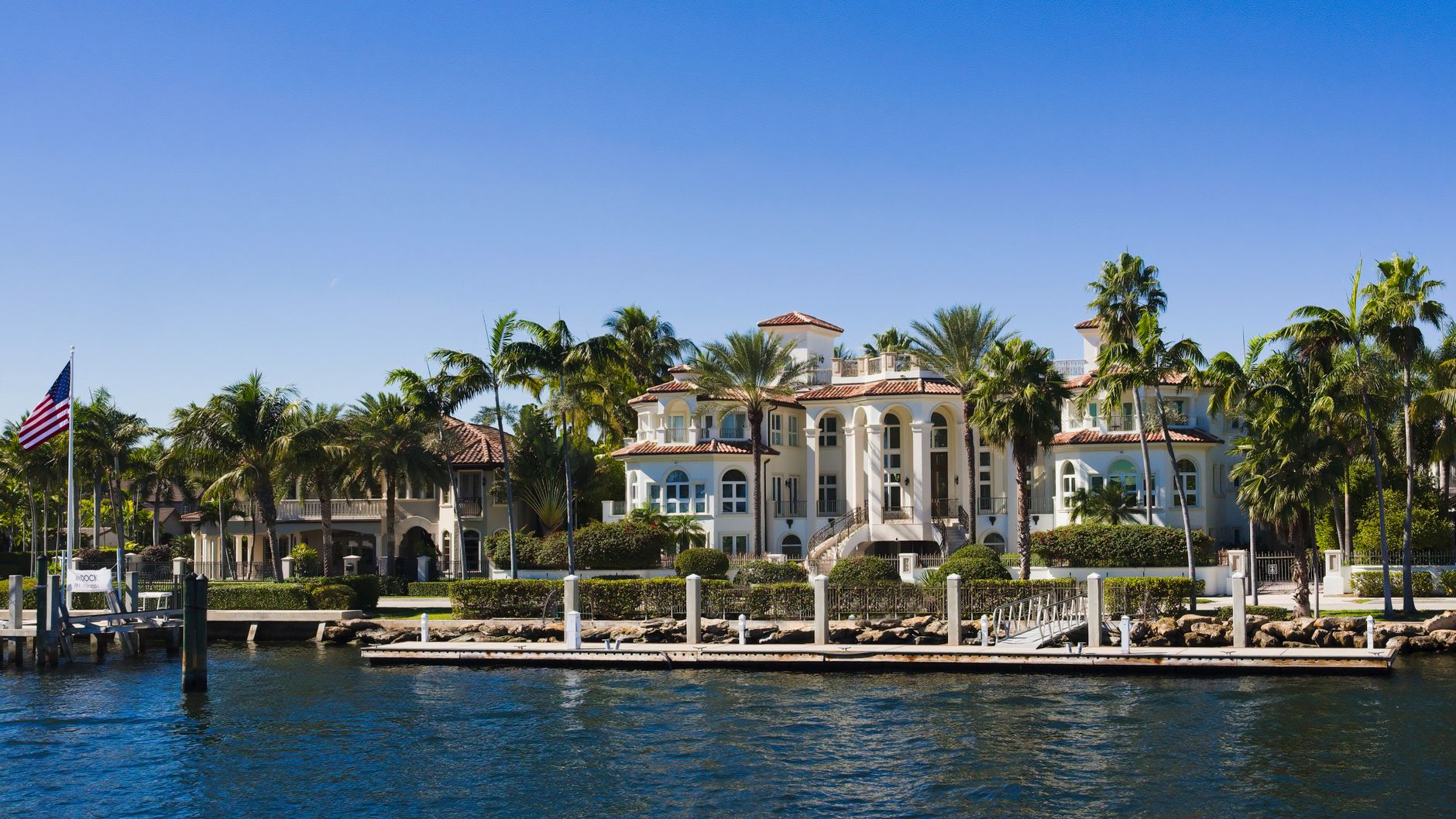
In Fort Lauderdale’s dynamic real estate environment, opportunities can arise—and disappear—quickly. Whether you’re seeking to take down a unique investment property near Las Olas or reposition a transitional asset in Pompano Beach, local investors increasingly rely on creative financing solutions to move at the speed South Florida demands.
For many Broward County real estate investors, Fort Lauderdale second position and mezzanine financing presents a way to bridge capital gaps, recapitalize properties, or accelerate value-add strategies without refinancing the entire senior loan. Understanding the unique evaluation process and regional considerations is crucial—especially when timing is critical and collateral structures are layered.
Where Second-Position Financing Fits in the Capital Stack
Second position and mezzanine financing play a vital role in Fort Lauderdale investment property transactions where the senior loan alone does not provide sufficient capital. Whether you’re executing a swift acquisition in Wilton Manors or need additional funds to complete renovations in Plantation, this type of financing sits “behind” the existing (senior) mortgage within the property’s capital stack. For business-purpose investors, the added capital can mean the difference between securing a prime Fort Lauderdale location and losing out to the competition. Private lenders like AFI review each scenario based on how the requested capital fits alongside all existing liens and equity in the deal.
Existing Senior Debt and Lender-Consent Considerations
In Broward County, most investment properties already carry senior mortgages from banks or other private lenders. Adding a new layer of debt, especially in second position, typically requires the approval—or at least the knowledge—of the senior lender. This is particularly true for transitional assets or properties coming out of a value-add period. Lenders like AFI Private Lenders will carefully assess whether the existing debt structure allows additional financing and will review any necessary intercreditor agreements, ensuring the proposed structure aligns with both senior and subordinate interests.
Combined Leverage and Collateral Cushion
For Fort Lauderdale second position and mezzanine financing to make sense, the total combined leverage across all layers must not erode the collateral cushion supporting the transaction. AFI evaluates the overall capital structure, not just the incremental loan request, to ensure there’s an adequate equity buffer even after the secondary financing. For example, a proposed deal in Hollywood, Florida, may be carefully reviewed to ensure the total leverage leaves room for both lender security and successful investor execution. Property values, local market demand, and possible fluctuations unique to Broward County play into this risk analysis.
Business-Purpose Uses of Incremental Capital
Unlike traditional consumer loans, business-purpose financing for Fort Lauderdale investment properties is designed for capital deployment that enhances property value or facilitates transactional goals. Examples include acquisition of commercial buildings in Davie, significant renovation projects in Deerfield Beach, bridge funding for time-sensitive closings, or capitalizing on distressed property opportunities. AFI works with borrowers whose intended use of proceeds aligns with business or investment strategies—not owner-occupied residential needs. Clear articulation of how the new funds will unlock value is part of the review process.
Intercreditor, Payoff, and Maturity Considerations
Layered debt structures mean multiple parties must cooperate. In Fort Lauderdale’s competitive landscape, it’s especially important that all lenders agree on lien priority, rights in default scenarios, and treatment of exit proceeds. Experienced private lenders like AFI will help coordinate intercreditor agreements that clarify payment order and control rights. Additionally, the maturity and payoff schedules of both layers should be thoughtfully aligned—whether the overall strategy is a near-term sale, cash-out refinance, or repositioning for long-term hold in a local market.
Why Exit Strategy Matters with Layered Debt
With second position or mezzanine financing, the ultimate repayment source—i.e., exit strategy—becomes even more vital. Investors targeting Fort Lauderdale and surrounding markets should be prepared to discuss their plans for selling, refinancing, or stabilizing the property. AFI analyzes whether the projected exit (whether a sale in fast-growing pockets of Pompano Beach or a refinance on commercial corridors in downtown Fort Lauderdale) is realistic given market conditions, combined leverage, and project business plan. A credible, timeline-driven exit strategy enhances the likelihood of transaction approval.
Information AFI May Need to Evaluate the Request
To efficiently evaluate second-position or mezzanine financing in Fort Lauderdale, AFI Private Lenders will typically request:
- Property details and valuation supporting the new capital stack
- Summary of all existing debt, lender contacts, and terms
- Business-purpose use of proceeds and project budget
- Evidence of local sponsorship and track record (if relevant)
- Exit strategy details, with timing and assumptions
- Recent operating statements or pro forma (for income assets)
AFI’s underwriting approach is asset-driven, placing emphasis on the property’s potential and the viability of the business plan over traditional consumer credit standards.
When Refinancing the Entire Capital Stack May Make More Sense
Although layering new debt can provide speed and flexibility, there are scenarios in Fort Lauderdale where a full refinance of the existing capital stack may be more appropriate. Examples include situations where senior and mezzanine maturities are mismatched, intercreditor conflicts cannot be resolved, or the combined leverage approaches prudent risk thresholds. For stabilized properties in Hollywood or rapidly repositioned assets near Sunrise Boulevard, a whole-loan refinance can offer simpler structuring and long-term predictability. AFI can help review whether a new first mortgage or a blended solution will better serve the investor’s goals.
Real Estate Investor Financing FAQs
What types of properties can qualify for second position or mezzanine financing in Fort Lauderdale?
Business-purpose investment properties—including multifamily, mixed-use, office, retail, and transitional commercial assets—can qualify, depending on collateral and exit strategy.
How does AFI Private Lenders assess the viability of a second-position loan request?
AFI reviews the existing capital stack, total combined leverage, collateral condition, business plan, and repayment or exit strategy. Each request is evaluated on its own merits.
Is lender consent from the senior mortgage holder always required?
Consent or at least formal notice to the senior lender is typically necessary, as most senior loan agreements restrict additional debt or require approval for subordinate liens.
Can I use second position or mezzanine capital for property renovations?
Yes, provided the use of proceeds is business-purpose and enhances the value or business potential of the investment property.
What information does AFI usually request for underwriting?
Property details, information on all current debt, project use-of-funds, sponsor background, realistic exit plans, and supporting financials are commonly required.
Does AFI heavily weigh personal credit scores in its decision?
Traditional credit scoring is not relied on heavily for qualifying business-purpose, asset-driven requests, though a review of credit history may be performed.
Have a Fort Lauderdale investment property to finance?
Send the property address, requested loan amount, property type and investment plan for an initial review.