Discover how Fort Lauderdale hard money and bridge loans offer nimble solutions for real estate investors pursuing time-sensitive property deals in Broward County.
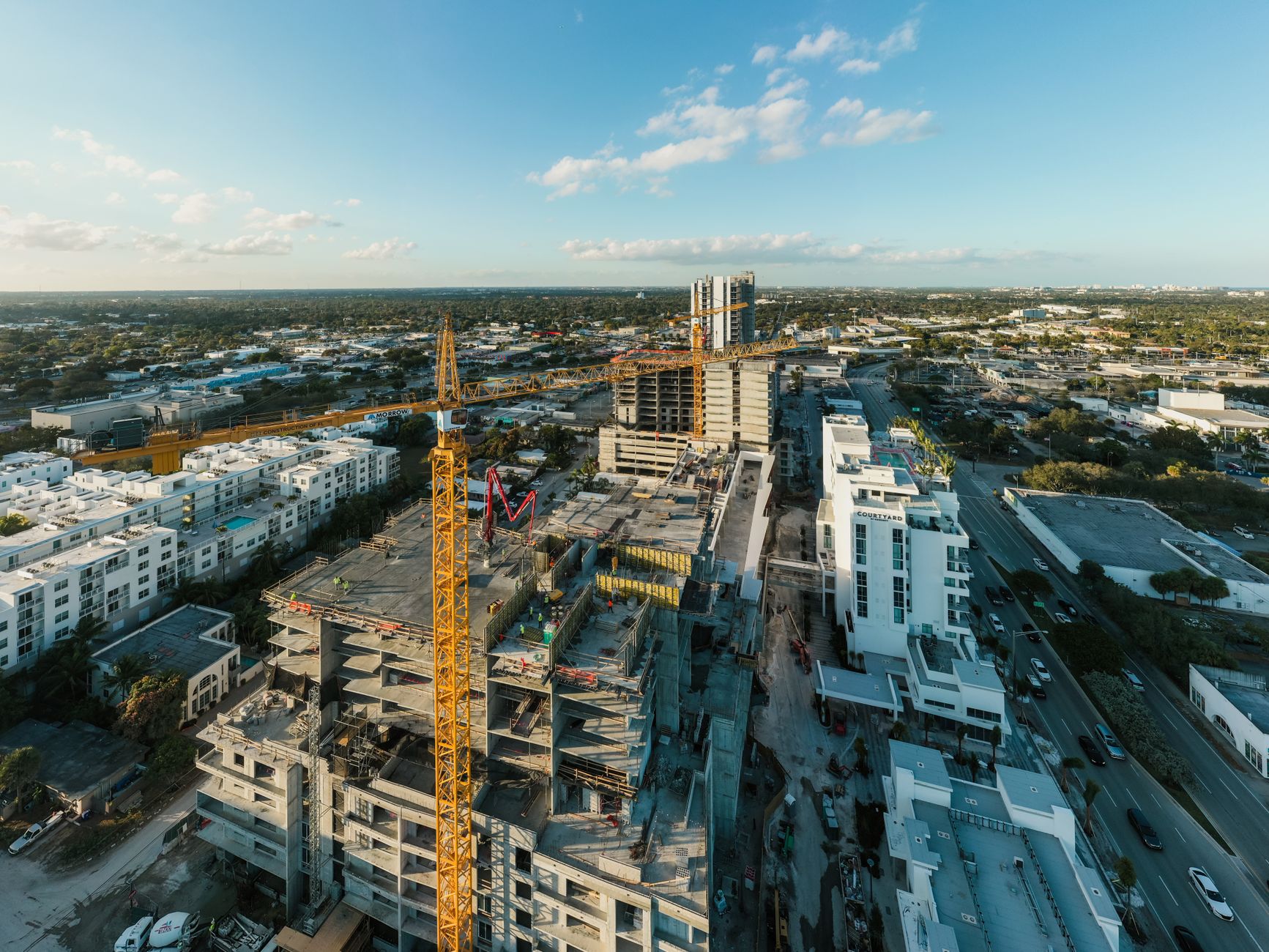
South Florida’s dynamic real estate landscape demands agile financing—especially for investors targeting transitional properties, rapid acquisitions, or unique value-add opportunities. In Fort Lauderdale, competition for investment properties in fast-paced markets like Victoria Park, Wilton Manors, and nearby Broward County communities like Davie and Deerfield Beach can leave little room for drawn-out conventional approvals.
Hard money and bridge loans serve as critical tools for local investors needing business-purpose capital to leverage urgent opportunities. This guide explains how Fort Lauderdale hard money and bridge loans can be custom-tailored for time-sensitive acquisitions, refinances, or transitional property scenarios.
When Investors Use Short-Term Bridge Financing
Bridge and hard money loans empower Fort Lauderdale investors when timeliness or flexibility is essential to closing a deal. These short-term solutions are frequently used to capitalize on off-market finds, buy distressed properties needing work, or unlock equity before a property is stabilized. Investors in Hollywood or Pompano Beach sometimes rely on bridge financing when conventional lenders are too slow or require seasoning and fully leased assets.
Common uses in Fort Lauderdale include preventing the loss of a target acquisition to a faster bidder, funding renovations in improving neighborhoods like Tarpon River, or seizing opportunities in the commercial or multifamily sectors during tight timelines. Experienced landlords or property owners may also bridge existing equity during project transitions or between longer-term refinancing cycles.
Acquisition, Refinance and Transitional-Property Situations
The value of hard money and bridge loans in Fort Lauderdale, Florida, becomes apparent in situations that traditional lenders might decline or delay. Acquisitions—especially from auctions, short sales, or off-market sellers—often require proof of funds within a week or less. Transitional property financing, such as repositioning a vacant retail strip along Federal Highway or converting a Hollywood triplex to a more profitable use, may not qualify for bank underwriting until stabilized. Bridge loans can also facilitate a quick refinance to pay out partners or satisfy tax obligations before locking in longer-term terms.
Refinancing investment properties along Galt Ocean Mile, for example, can be expedited through local private lenders well-versed in unique Broward County transaction structures and timing needs.
Collateral, Leverage and Property-Condition Considerations
Evaluation for hard money and bridge loans in Fort Lauderdale emphasizes the property as collateral. Lenders, including AFI Private Lenders, consider factors such as current and after-repair value, property type (single-family, multifamily, mixed-use), and location. Leverage is determined based on deal risk, complexity, and the local demand, especially for business-purpose projects. Properties requiring significant renovation, or those in transitional neighborhoods like Sailboat Bend, may merit different terms compared to stable income assets in Plantation.
Property condition matters: heavily distressed assets may require detailed repair budgets and show clear plans for completion. Investors should be prepared for local lenders to review recent sales, comparable values, and any unique physical characteristics affecting the collateral before finalizing a hard money or bridge loan.
How Timing Affects a Bridge-Loan Request
The pace of Fort Lauderdale’s property market elevates the importance of timing in bridge loan evaluations. Investors in Broward County often need to demonstrate why rapid funding is justified: Are there imminent closing deadlines? Is there an auction or off-market seller accepting only cash offers?
Local private lenders will consider how quickly the collateral can be valued and verified, the readiness of title work, and the feasibility of the proposed exit strategy given the timeline. Having due diligence documents, preliminary renovation plans, and access to key property information can significantly influence how a bridge loan request is prioritized for closing.
Carrying Costs, Maturity Risk and Interest Expense
Hard money and bridge loans for Fort Lauderdale investment properties come with their own set of costs and risks. Interest rates reflect the short-term, business-purpose nature of the financing—generally higher than traditional loans, but often outweighed by the value of speed and flexibility. Investors must budget for carrying costs, including taxes, insurance, maintenance, and loan interest during the term. Bridge loans also present maturity risk: planning for contingencies in case a property takes longer to sell, lease, or refinance.
Broward County’s hurricane season, labor shortages, or permitting delays can all extend the period required before a property stabilizes. A thorough understanding of ongoing expenses and setting realistic expectations for project timelines is crucial for effective hard money or bridge loan use.
Building a Realistic Payoff or Refinance Plan
Successful use of Fort Lauderdale hard money and bridge loans hinges on a solid exit strategy. Lenders expect a clear plan for repayment, whether through eventual sale, conventional refinance, or business restructuring. For fix-and-flip investors in neighborhoods like Coral Ridge or Deerfield Beach, detailing a marketing plan or pre-listing strategy will be essential. Long-term landlords may forecast transitioning the property into a stabilized, income-producing asset that qualifies for a permanent loan.
AFI Private Lenders review not only the potential for value creation but also the viability and timing of the exit. Borrowers should be prepared to discuss contingency plans if the market shifts or project delays arise, underscoring the importance of thorough upfront analysis.
What to Submit for an Initial Bridge Review
Efficient evaluation of bridge loan requests in Fort Lauderdale depends on providing the right documentation from the outset. Experienced private lenders typically require a property summary, purchase contract (if applicable), evidence of investment experience, repair budgets, photos or inspection reports, and a well-defined exit strategy. While traditional credit scoring is not heavily relied upon for qualifying fix-and-flip or rapid-close loans, background on financial standing and real estate track record remains important.
For properties in Pompano Beach, Plantation, or Fort Lauderdale proper, bringing forward clear, organized information will facilitate initial review—helping identify issues early and expediting underwriting. Investors should be candid about potential roadblocks and realistic about funding timelines.
When Conventional Financing May Fit Better
Not every Fort Lauderdale real estate investment is best served by hard money or bridge loans. Stable, income-producing assets or seasoned landlords with time to navigate bank processes may benefit more from conventional financing. When properties do not need urgent funding, significant renovation, or fast repositioning, traditional lenders can offer lower interest rates and longer terms.
Investors targeting turnkey buildings in areas like Davie or those refinancing stabilized multifamily portfolios in Hollywood may find better overall value with conventional mortgages. Still, having relationships with Fort Lauderdale private lenders creates a valuable backup for future projects requiring speed or unique structuring.
Real Estate Investor Financing FAQs
What types of properties are eligible for hard money and bridge loans in Fort Lauderdale?
Eligible properties typically include non-owner-occupied residential, multifamily, mixed-use, and select commercial real estate used for business purposes.
How important is credit score for a bridge loan in Broward County?
Traditional credit scoring is not heavily emphasized for most fix-and-flip or rapid transition loans, but some review of financial background and experience is customary.
How quickly can I expect to close a hard money loan in Fort Lauderdale?
Actual closing times vary based on property, documentation, and the complexity of the deal, but having organized submissions can expedite the process.
What are common exit strategies for these short-term loans?
Typical exit strategies include selling the property, refinancing into a conventional mortgage, or transitioning to a stabilized, income-producing asset.
Can first-time investors or builders qualify for private lender bridge loans?
While experience is valued and improves eligibility, each request is individually evaluated; approval is not guaranteed for every first-time project.
Do I need to provide a renovation scope for distressed properties?
Yes—detailed repair or construction budgets, plans, and timelines are generally required for properties needing significant improvement.
Do AFI Private Lenders only lend in Fort Lauderdale?
AFI Private Lenders provides business-purpose real estate financing for qualifying investment properties throughout Florida, including all of Broward County.
Have a Fort Lauderdale investment property to finance?
Send the property address, requested loan amount, property type and investment plan for an initial review.