Cape Coral’s fix & flip market presents unique opportunities along with challenges. Learn how Cape Coral private lenders like AFI evaluate investment property loans.
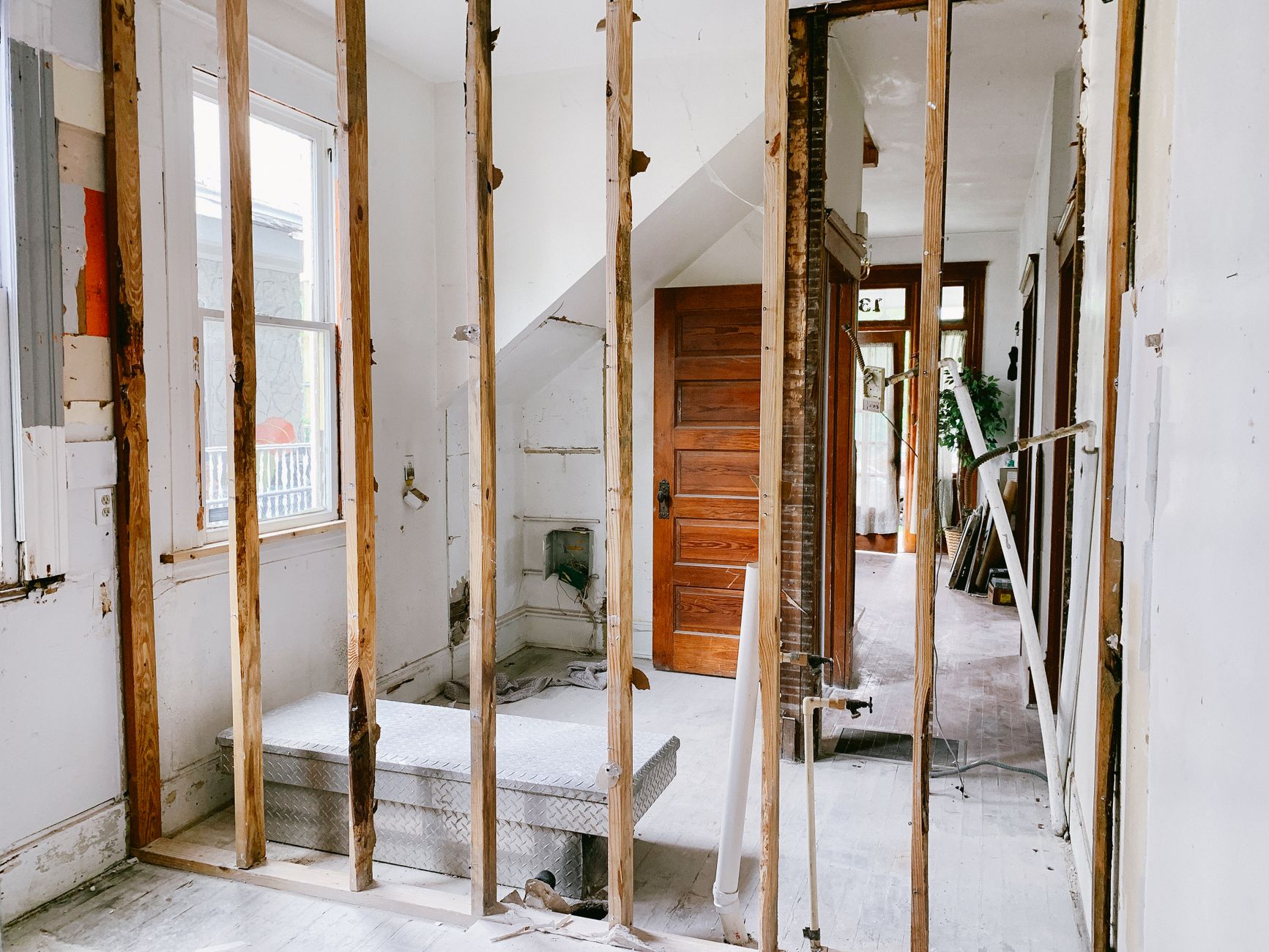
Investors eyeing Cape Coral’s evolving neighborhoods—from Yacht Club to Southwest Cape—often seek nimble, asset-based financing to acquire and renovate properties. Unlike traditional lending, Cape Coral fix and flip loans from private lenders can prioritize the project’s merit, not just the borrower’s credit profile.
This investor-focused guide unpacks how AFI Private Lenders reviews and structures fix-and-flip loans in Cape Coral and greater Lee County, covering key factors like purchase price, rehab plans, construction draws, and realistic exit paths. Success here requires clear assumptions about budget, timing, and project execution to protect your bottom line.
How Cape Coral Fix and Flip Loans Are Evaluated
Fix and flip loans in Cape Coral are evaluated on multiple criteria that aim to balance possible returns with project risks. Lenders like AFI assess not only the numbers but also the local market dynamics—think Southwest Cape’s established tracts versus up-and-coming areas near North Fort Myers. Ultimately, qualifying requests center on the property’s current value, scope of planned improvements, project timeline, and the exit assumptions the investor brings to the table.
Experience with similar residential rehabs or new construction—whether in central Cape Coral, Pine Island, or Estero—can also improve the chances for a strong loan proposal. Local knowledge and transparency with your project financials help position your deal for thorough, thoughtful underwriting.
Purchase Price, Current Condition, and Renovation Scope
When considering Cape Coral fix and flip loans, three details stand out: what you paid (or will pay), what you’re starting with, and what you plan to do. Cape Coral’s housing stock varies widely—some homes are storm-damaged, dated, or simply neglected, while others require only cosmetic upgrades. Investors must present a clear acquisition price, outline the as-is state (with photos, inspection reports, or contractor estimates), and provide a documented renovation plan. Whether targeting an aging canal-front property near Cape Harbour or a mid-century house by Hancock Bridge Parkway, specifying the full scope of work builds confidence for both the lender and your project partners.
Why the Property and Project Can Matter More Than Traditional Credit Scoring
AFI Private Lenders does not heavily rely on traditional credit scoring for fix and flip requests. Instead, the focus shifts to the property’s potential, project strategy, leverage being requested, and your track record. For business-purpose loans in Lee County, the underlying asset, estimated after-repair value, and how you plan to add value take center stage. This approach benefits seasoned Cape Coral real estate investors, builders, or landlords who may have less conventional credit profiles but can demonstrate practical know-how and realistic execution plans. It also means clear documentation—contractor bids, permit strategy, and end valuations—matters just as much as what’s in your credit file.
Rehab Budget, Contractor Planning, and Construction Draws
A credible Cape Coral fix and flip loan application details the rehab budget by line item: labor, materials, contingencies, and even allowances for Cape Coral-specific issues like HVAC upgrades or pool repairs. AFI emphasizes straightforward construction draw requests—funds are released in logical phases as the project progresses, subject to inspection and underwriting requirements. Clearly outlining who will do the work (licensed contractor, subcontractors, or self-managed), and how you’ll monitor expenses, is essential. Anticipate the regulatory realities of Lee County—some neighborhoods or HOAs may require particular permitting steps, even if your loan approval does not hinge on those specifics.
Borrower Liquidity, Contingency, and Carrying Costs
Successful fix and flip projects in Cape Coral require liquidity beyond just the down payment. Lenders want to see enough cash reserves to handle unexpected costs—think draw delays, weather interruptions, or temporary rental vacancy if the property takes longer to sell. AFI evaluates how you’ve budgeted for soft costs (utilities, taxes, insurance, and loan interest) and whether a prudent contingency allowance is in place. Investors projecting tight timelines or short margins, especially in high-turnover pockets like central Cape Coral or Fort Myers, should be transparent about how they’ll manage monthly overhead while awaiting project completion or sale.
Exit Strategy: Resale, Refinance, or Rental Conversion
A well-defined exit is mandatory for Cape Coral investment property loans. Most investors target a quick resale, banking on strong buyer demand in revitalized neighborhoods like Southwest or Northwest Cape. Others plan to refinance into a rental loan or hold the improved property as a long-term income asset. AFI weighs your exit assumptions: expected days-on-market, supporting comps, intended marketing or rental strategy, and backup plans if the initial path is delayed. In Cape Coral’s fluid market, grounding your proposal with proven resale or rental data, or showing experience closing similar deals in nearby areas like Estero, adds credibility.
What to Send AFI for an Initial Review
For a streamlined review of your fix and flip financing request, Cape Coral private lenders typically need a concise package: a purchase contract, photos or inspection reports documenting the current condition, detailed rehab budget, contractor scope or bids, your projected after-repair value, a summary of your experience, and a realistic exit plan. If this is your first project in Lee County or Cape Coral, highlight parallels with prior real estate or construction ventures, even from other Florida markets. Transparency and thorough documentation advance your request faster through underwriting.
When Another Financing Option May Be a Better Fit
Not every Cape Coral investment project is ideal for a fix and flip loan. Ground-up construction without a defined exit, major mixed-use rehabs, or projects with unusually long timelines may require different loan structures—like construction-only financing or portfolio loans. AFI routinely reviews project details and can suggest when a different business-purpose product fits better based on your goals and market realities. If your exit hinges on a highly unusual strategy or the property presents substantial permitting or title unknowns, a preliminary discussion with your lender before investing substantial time can reveal alternative paths for Lee County deals.
Real Estate Investor Financing FAQs
What types of properties qualify for Cape Coral fix and flip loans?
Mostly residential properties—single-family homes, condos, or duplexes—intended for business purposes. Commercial or mixed-use may qualify with clear plans.
Do I need perfect credit to qualify for a fix and flip loan in Cape Coral?
No. AFI does not heavily rely on traditional credit scoring. The focus is on the property, project details, experience, and a defined exit strategy.
How are construction draws handled for Cape Coral rehabs?
Draws are tied to completed rehab milestones. AFI aims for a straightforward process, subject to inspections, underwriting, and the loan agreement.
Can I use Cape Coral fix and flip loans for new construction?
Primarily for renovation projects, but some ground-up builds may qualify if there is a clear business-purpose exit plan. Underwriting is required.
What documentation strengthens my application in Lee County?
Purchase contract, photos, rehab budget, contractor details, exit strategy, and a summary of relevant experience are all helpful for initial review.
Are fix and flip loans only available in Cape Coral?
No, AFI lend throughout Florida, including Lee County communities like Fort Myers, Pine Island, Estero, and others.
Can I keep the property as a rental after rehab?
Yes, if that’s your exit plan, but it must be clearly documented. Refinance into a rental loan is a common strategy after the fix and flip phase.
Have a Cape Coral investment property to finance?
Send the property address, requested loan amount, property type and investment plan for an initial review.