Explore how commercial real estate loans in Boca Raton differ for higher-basis investment properties, including capital structure, underwriting, and exit planning.
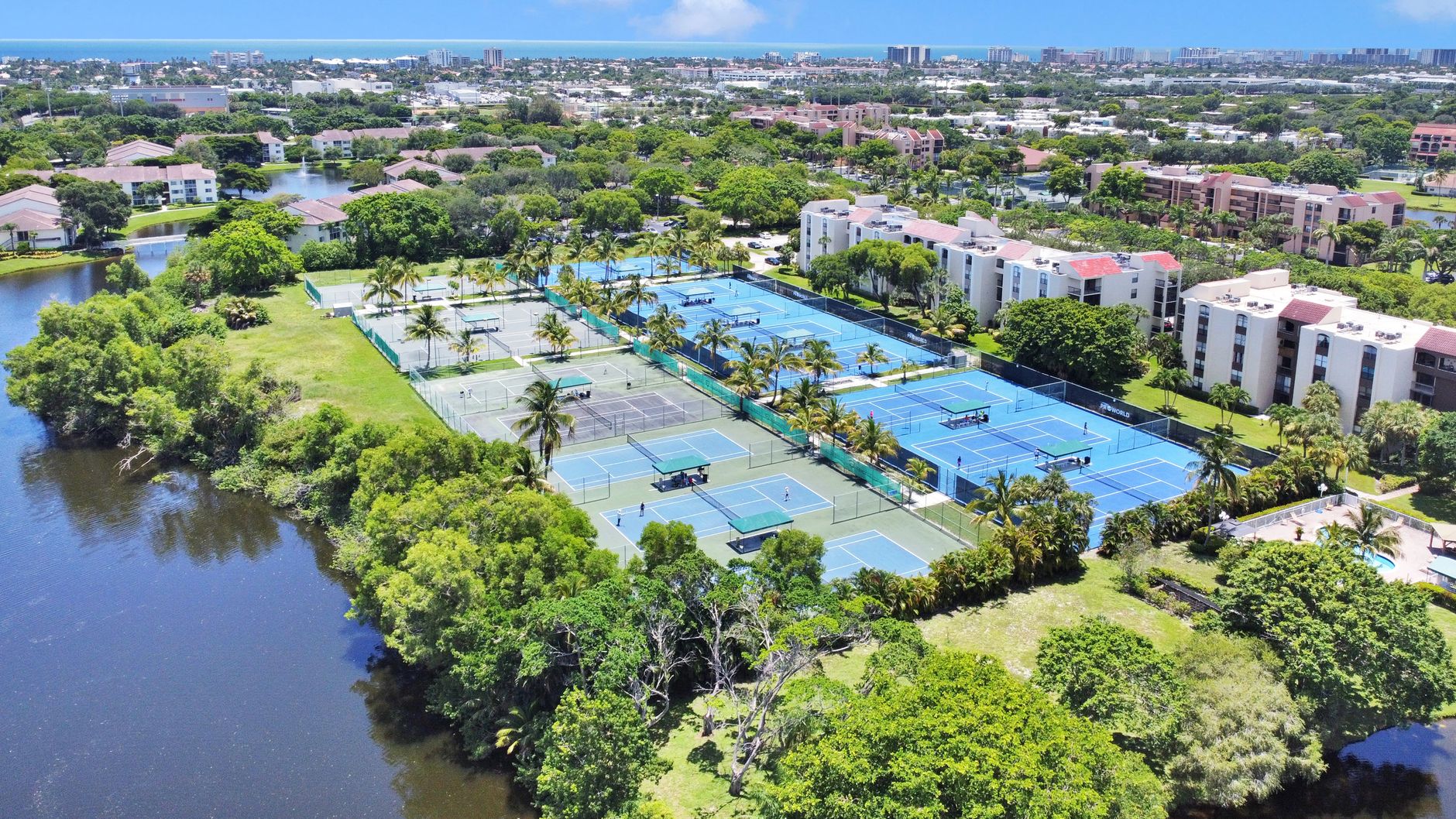
Boca Raton’s commercial real estate market attracts investors seeking value-add and repositioning opportunities across retail, office, multifamily, and mixed-use assets. Whether acquiring, refinancing, or bridging a unique investment in Boca Raton, securing the right loan often comes down to more than just rates and terms.
Understanding how private lenders like AFI assess Boca Raton commercial real estate loans can help investors, builders, and landlords position their capital stack, property, and exit strategy for the highest likelihood of funding, especially when conventional bank financing falls short.
Commercial Property Situations AFI Can Review
AFI Private Lenders evaluates business-purpose financing requests for a wide variety of commercial properties throughout Boca Raton and greater Palm Beach County. These include stabilized or value-add apartment complexes near Mizner Park, retail repositionings on Federal Highway, industrial properties just west of I-95, and mixed-use or office assets closer to the city center. AFI focuses on investment properties rather than owner-occupied commercial space, tailoring each review to the asset’s use, condition, business plan, and local market dynamics. Properties located in nearby areas such as Delray Beach, Deerfield Beach, and Boynton Beach may also be considered under similar criteria.
Acquisition, Refinance, Bridge and Repositioning Scenarios
Many investors in Boca Raton require commercial real estate loans for new property acquisitions, rapid closings, refinancing existing debt, or bridging between stabilization and permanent financing. Owners pursuing extensive renovations or change-of-use plays—such as converting an older shopping center to medical office—also turn to private lenders. AFI can review purchase loans, cash-out refinances, and bridge scenarios for qualifying properties, with a particular emphasis on stable or transitioning business-purpose assets in high-demand corridors across Palm Beach County.
Collateral Quality, Occupancy and Property Condition
For Boca Raton investment property loans, collateral quality is a crucial underwriting factor. AFI considers property location, current and potential value, occupancy trends, and overall condition. For instance, a partially leased flex space on Congress Avenue may be evaluated differently from a fully leased strip center further south in Deerfield Beach. Deferred maintenance, outstanding code issues, or incomplete improvements are reviewed carefully, as they can impact both value and exit feasibility. Investors should be ready to present realistic scopes and budgets for planned capital improvements.
Tenant, Lease and Business-Plan Information
Transparent details about current tenants, lease structures, and intended future use are integral to the loan review process. For retail or office properties near Glades Road or in bustling areas around Boca's downtown, stability of cash flow often hinges on tenant mix, lease duration, and renewal potential. AFI expects applicants to provide summaries of existing rent rolls, major tenant details, and a description of any lease-up or repositioning strategy—especially when requesting higher leverage for properties with below-market or vacated units.
Leverage, Capital Improvements and Borrower Equity
Boca Raton’s investment environment often involves premium purchase prices and significant renovation budgets. AFI takes a hands-on approach to leverage, balancing loan size with the investor’s equity contribution, the property's basis, and projected stabilization outcomes. Requests are typically reviewed with careful attention to the sufficiency of borrower equity versus project scope. Demonstrated capital commitment and a defined budget for improvements—such as upgrading multifamily common areas or repositioning retail spaces—carry weight in the approval process.
Exit Strategy and Loan-Duration Planning
Because higher-basis commercial transactions in Boca Raton frequently involve repositioning, AFI emphasizes the borrower’s exit strategy and realistic loan-duration planning. Whether the intent is to refinance with conventional lenders in Delray Beach after stabilization, or complete a full sale on the open market, a clear and achievable endgame must be presented. AFI assesses local market absorption, potential tenant demand, and alignment of the business plan’s timeline with the requested loan term—helping ensure the investor’s goals are attainable within Boca Raton’s current market rhythms.
What to Send for a Commercial Financing Review
For an AFI review, investors should prepare a package including a property summary, purchase contract or payoff statement, any recent appraisal or broker opinion of value, plans and budgets for improvements, current rent rolls or tenant information, a summary of the business plan, borrower experience highlights, and a clear exit strategy. Presenting these materials for properties in Boca Raton or neighboring markets like Boynton Beach can improve underwriting clarity and help demonstrate borrower readiness.
When Bank or Longer-Term Financing May Be Preferable
Although private lending offers flexibility for time-sensitive or complex investment property loans in Boca Raton, long-term traditional bank or permanent financing may be preferable in certain cases. Highly stabilized assets with strong occupancy, longstanding credit tenancy, and minimal deferred maintenance may qualify for more competitive structures from institutional lenders. In Fort Lauderdale or elsewhere in Palm Beach County, optimized permanent financing could offer lower costs over a longer hold horizon—making it prudent for investors to weigh trade-offs in timeline, leverage, and closing certainty before proceeding.
Real Estate Investor Financing FAQs
What types of Boca Raton commercial properties qualify for AFI private loans?
Qualifying assets include investment and business-purpose properties such as multifamily, retail, office, and industrial properties in Boca Raton and nearby communities. Owner-occupied properties are typically not considered.
How important is the exit strategy for obtaining Boca Raton investment property loans?
Exit strategy is a key component. Successful applicants present a clear plan for repayment—usually via refinance or sale—which is supported by local market demand and realistic timelines.
Can AFI provide bridge loans for commercial properties undergoing renovation in Palm Beach County?
Yes, AFI can review bridge and repositioning loan requests for business-purpose commercial properties throughout Palm Beach County, provided collateral, leverage, and business plan are appropriate.
Is traditional credit scoring a major factor when applying for Boca Raton commercial real estate loans?
Traditional credit scoring is only one of several factors and is not relied on heavily, particularly for loans focused on property business plans and asset performance.
What documentation helps speed up a commercial real estate loan review?
Having a full property summary, rent rolls, business plan, improvement budgets, tenant details, and an articulated exit strategy helps expedite the underwriting process.
Are higher leverage loans available for properties outside Boca Raton?
AFI evaluates qualifying investment properties in Boca Raton as well as in areas nearby such as Delray Beach, Deerfield Beach, and Boynton Beach, with similar underwriting emphasis on leverage, collateral, and plan.
When might bank financing be better than a private lender?
Highly stabilized properties with long-term, credit tenants and no major repairs needed may benefit from lower-cost, longer-term bank or agency financing options.
Have a Boca Raton investment property to finance?
Send the property address, requested loan amount, property type and investment plan for an initial review.